Illustrative stock photo — daily routines many people manage with glaucoma drops; not Conlon Eye Institute staff.
Glaucoma care often starts with daily eye drops to lower pressure and protect the optic nerve. Selective laser trabeculoplasty (SLT) is an office laser aimed at the eye’s drainage tissue. The American Academy of Ophthalmology and the Glaucoma Research Foundation describe SLT as a way to improve outflow and lower pressure — sometimes first-line, sometimes alongside drops. Conlon Eye Institute offers SLT laser treatment in Saskatoon. This patient overview is general education — not a promise that laser will replace your drops, and not a published clinic protocol or coverage guarantee.
Key Takeaways
- SLT uses low-energy laser pulses on the trabecular meshwork (the eye’s drainage tissue) to help fluid leave the eye and lower intraocular pressure.
- It may suit some people with open-angle glaucoma or ocular hypertension; it is not for every type of glaucoma.
- Studies and specialist societies describe SLT as often comparable to drops for pressure control in suitable patients, with effects that may last years and that can sometimes be repeated.
- SLT is not a cure. You still need follow-up. Some people still need drops afterward; others need fewer bottles — or none for a time.
- Conlon Eye Institute offers SLT in Saskatoon. Ask our ophthalmologists whether it fits your eyes and goals.
Why People Look Beyond Drops Alone
Illustrative stock photo — remembering daily drops; not a clinic device.
Drops only work if they are used correctly and regularly. Busy schedules, arthritis that makes bottle tips hard to aim, cost, side effects and skipped refills all get in the way. The National Eye Institute notes that glaucoma treatment commonly includes medicines (usually drops), laser treatment or surgery, and that treatment aims to stop further damage rather than undo vision already lost.
Laser trabeculoplasty is one of the laser options used to help fluid drain. SLT is called “selective” because it targets pigmented cells in the drainage tissue with relatively low energy, which is one reason it can often be repeated later if the first treatment helped.
What Happens During SLT (Typical Visit)
Authoritative patient guides describe a short office visit along these lines:
- Numbing drops on the eye.
- A special contact lens gently placed on the eye to help aim the laser.
- Brief laser pulses applied to the drainage tissue — usually only a few minutes of laser time.
- Aftercare drops for a short period if prescribed, then a plan to recheck pressure.
Most people have little downtime and few activity limits afterward. Pressure improvement is often assessed over the following weeks (commonly described as about four to six weeks), not instantly at the laser chair. Exact timing and aftercare are individualized.
We do not publish a Conlon Eye Institute SLT protocol, laser model or drop schedule here. If you have SLT with us, your written aftercare instructions are the ones to follow.
Who SLT May Suit
Illustrative stock portrait — not a patient testimonial photo from our clinic.
SLT is generally discussed for open-angle glaucoma or elevated eye pressure (ocular hypertension) when the drainage angle is open. AAO patient material notes it may work especially well for people with higher starting pressures, early-to-moderate disease, or those who have not yet started drops — and that it can also reduce the number of drops someone already uses.
It is a poor fit when the angle is closed or other eye findings make trabeculoplasty unsafe or ineffective. Only an exam can sort that out. Our ophthalmologists will also weigh whether drops, laser, minimally invasive surgery or traditional glaucoma surgery make more sense for your stage of disease.
Angle-closure glaucoma or scarred drainage tissue needs a different conversation. Bring any prior eye-surgery history to the visit.
Benefits, Limits and Realistic Expectations
Possible benefits (general medical literature, not CEI outcome guarantees):
- Lower eye pressure without relying only on daily drops
- Office-based treatment with little downtime for many people
- Effect that often lasts on the order of one to five years or longer in published descriptions, and that may be repeatable in suitable eyes
- Major trials such as LiGHT have reported SLT as an effective alternative to starting with drops for many participants (high-level summary only; no clinic-specific rates here)
Limits:
- Not a cure for glaucoma
- Does not restore vision already lost
- Does not work equally well in every eye or every glaucoma type
- Some people still need drops or further procedures
- Temporary pressure rise or mild inflammation can occur; your surgeon will discuss risks that apply to you
What This Post Is Not
General education only — not a diagnosis, not a guarantee you can stop drops, and not a statement of Saskatchewan coverage or wait times (those stay for your consultation).
Frequently Asked Questions
Will SLT stop me needing eye drops?
Not necessarily. Some people need fewer drops or a pause from drops for a period; others still need medicine. Think of SLT as one tool for pressure control, not a guaranteed drop holiday.
Does SLT hurt?
Numbing drops are used. Specialist patient guides describe the treatment as typically comfortable or causing only minor discomfort. Experiences vary.
How soon will my pressure improve?
Pressure change is often judged over weeks, not minutes. Keep follow-up visits so your team can see whether the laser helped enough.
No. SLT treats the drainage tissue to lower pressure in glaucoma. YAG capsulotomy opens a cloudy lens capsule after cataract surgery or refractive lens exchange (RLE). Different lasers, different problems.
Does Conlon Eye Institute offer SLT?
Yes. Conlon Eye Institute currently offers SLT laser treatment in Saskatoon. Whether it is right for you still depends on your type of glaucoma, your angle and your overall plan — that is decided at consultation. We do not state coverage or wait times in this post.
Book Your Consultation
If you have glaucoma or high eye pressure and want to talk about drops, laser options or monitoring, book your consultation: call our Saskatoon office at 306-244-4111, Monday to Friday, 7 am to 4 pm. Conlon Eye Institute is in the Medical Arts Building, 341-750 Spadina Crescent East, Saskatoon, SK S7K 3H3.
References
- American Academy of Ophthalmology, EyeSmart. SLT and DSLT laser surgeries for glaucoma. https://www.aao.org/eye-health/diseases/slt-dslt-laser-surgeries-glaucoma-1
- Glaucoma Research Foundation. Selective laser trabeculoplasty (SLT). https://glaucoma.org/treatment/laser/slt
- National Eye Institute. Glaucoma — treatment overview (medicines, laser, surgery). https://www.nei.nih.gov/eye-health-information/eye-conditions-and-diseases/glaucoma
- Gazzard G, et al. Laser in Glaucoma and Ocular Hypertension (LiGHT) trial — cited at high level via AAO/GRF summaries; full trial reports in peer-reviewed literature.
About the Author
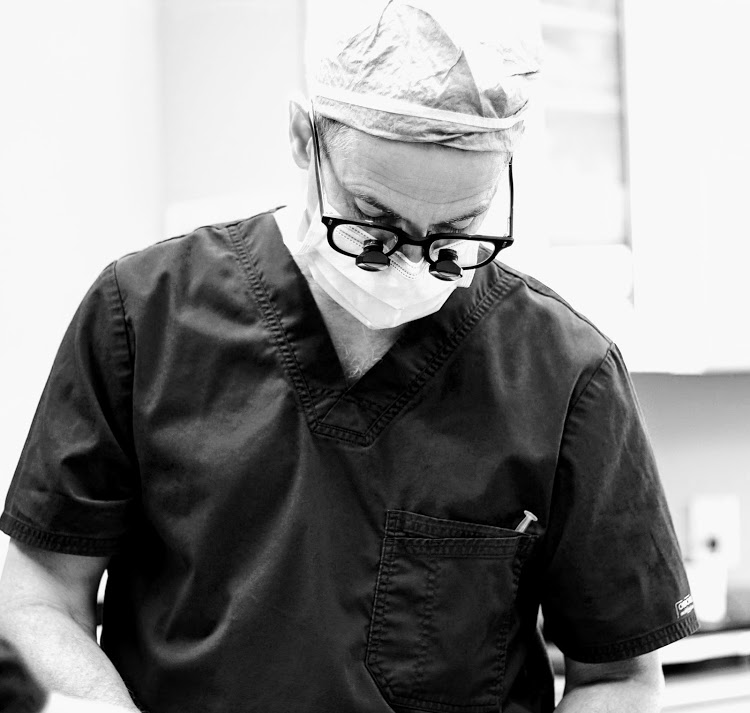
Dr. M. Ronan Conlon has practised ophthalmology in Saskatoon since 1994. He completed fellowship training in ocular pathology at Harvard University and in oculoplastic surgery at the University of Iowa. In 1996 he brought laser vision correction technology to Canada from Germany, and he specializes in oculoplastic surgery, LASIK, ASL (PRK) and refractive cataract surgery. With the establishment of the Conlon Eye Institute, Dr. Conlon has drawn on decades of experience in LASIK, RLE surgery, refractive cataract surgery, and oculoplastic surgery. He has also served as Head of Ophthalmology and Chief of Staff with the Saskatchewan Health Authority.
The information on this page should not be used in place of information provided by a doctor or specialist. To learn more, read our Privacy Policy and Editorial Policy pages.