Illustrative stock photograph; not a CEI patient, treatment result or clinic equipment.
If you live with diabetes, you may have noticed that your vision seems to change from week to week. One day your glasses work fine, the next everything looks soft around the edges. Or you’ve just started a new diabetes medication, your numbers are finally improving, and suddenly you can’t read as well as before.
These changes are common, and they’re often temporary. They also explain why we sometimes ask people to wait before getting new glasses, LASIK or measurements for cataract surgery. Here’s what’s going on and when to wait.
Key Takeaways
- Changes in blood sugar can change the shape of the lens inside your eye, which shifts your prescription for a while.
- Vision can blur when sugars run high, and also when they come down quickly after starting or changing treatment.
- It’s usually best to wait until your blood sugar has been stable for a few weeks before getting new glasses.
- Stable blood sugar matters for accurate LASIK and cataract measurements too.
- Blurry vision that doesn’t settle, or comes with other symptoms, needs an eye exam. It can be a sign of diabetic eye disease.
Why Blood Sugar Affects Your Vision
Inside your eye, behind the coloured iris, sits the natural lens. It helps focus light onto the retina. When blood sugar is high, sugar and fluid build up in the lens, and it can swell slightly. That changes how it bends light, and your prescription can shift, often toward nearsightedness. Distance vision blurs, even with your usual glasses.
When blood sugar comes down, especially quickly, the lens gradually returns to its usual shape. During that adjustment, vision can blur again, sometimes in the opposite direction. Some people find reading harder for a while.
These shifts can take several weeks to settle. They’re usually not a sign of damage, but they are a sign that your eyes are reacting to changing blood sugar.
When Blurry Vision Means Something More
Not all blurry vision with diabetes is from blood sugar swings. Diabetes can also damage the retina, a condition called diabetic retinopathy. Swelling in the centre of the retina, called diabetic macular edema, can blur vision too, and it needs treatment.
See your optometrist or eye doctor promptly if:
- Blurry vision doesn’t improve after a few weeks of steady blood sugar
- You notice dark spots, floaters or empty patches in your vision
- Straight lines look wavy
- Colours look faded
- Vision changes suddenly in one eye
And keep up your yearly diabetic eye exam, even if your vision seems fine. Our post on diabetic retinopathy and anti-VEGF injections explains how retinal problems are found and treated.

When to Wait Before New Glasses
If your vision has changed while your blood sugar has been moving around, new glasses may not help for long. A prescription measured while your lens is swollen may be wrong a few weeks later.
As a general guide:
- If you’ve just been diagnosed or started a new treatment, wait until your sugars have been steady for a few weeks before getting a new prescription.
- If your sugars are often high, work with your family doctor or diabetes team on control before investing in new glasses.
- Use what works for now. Inexpensive reading glasses or your old pair can be a stopgap.
- Tell your optometrist about recent changes in your diabetes or treatment, so they can time your exam well.
Before LASIK or ASL (PRK)
Laser vision correction depends on a stable prescription. If your prescription is changing because of blood sugar swings, the laser would be correcting a moving target.
People with diabetes may still be candidates for laser eye surgery, but generally only if their diabetes is well controlled, their prescription has been stable and there’s no diabetic eye disease. We’ll look carefully at your eyes and your history at your consultation.
Before Cataract Surgery
Before cataract surgery or lens replacement (RLE), we measure your eye to choose the power of your new lens. If your blood sugar has been swinging widely, those measurements can be less reliable, and your vision after surgery may not land where we planned. Steady sugars also help healing and lower the risk of complications.
We’ll also check your retina carefully before surgery.

Tips for Steadier Blood Sugar and Vision
Your family doctor, pharmacist and diabetes educator are your best guides. In general:
- Take your medications as prescribed
- Check your blood sugar as recommended
- Eat regular, balanced meals
- Stay active
- Get enough sleep
- Keep your diabetes appointments and eye exams
Frequently Asked Questions
Can high blood sugar cause permanent vision loss?
Short-term blur from blood sugar changes usually goes away. But long-term high blood sugar can damage the retina and cause lasting vision loss, which is why control and yearly eye exams matter so much.
How long does blurry vision last after starting diabetes treatment?
It varies. For many people, it settles over a few weeks as the lens adjusts. If it doesn’t improve, see your eye doctor.
Should I tell my eye doctor about changes to my diabetes medications?
Yes. It helps us time your exams and interpret any changes in your vision.
Can I get LASIK if I have diabetes?
Possibly, if your diabetes is well controlled, your prescription is stable and your eyes are healthy. We’ll assess you carefully at your consultation.
Book Your Consultation
If your vision is changing and you live with diabetes, a steady plan helps. For sudden vision loss, seek urgent care. After hours, our office voicemail directs callers to Saskatoon City Hospital at 306-655-8000 to ask for the ophthalmologist on call, or you can go directly to the nearest emergency department. In an emergency, you do not need to call us first. For questions about timing glasses or surgery, our team can help. Book your consultation: call our Saskatoon office at 306-244-4111, Monday to Friday, 7 am to 4 pm. Conlon Eye Institute is in the Medical Arts Building, 341-750 Spadina Crescent East, Saskatoon, SK S7K 3H3.
References
- American Academy of Ophthalmology. Diabetes and Blurry Vision / Diabetic Eye Disease. https://www.aao.org/eye-health/diseases/diabetic-retinopathy — supports temporary blur from blood sugar changes and diabetic eye disease risks.
- National Eye Institute. Diabetic Retinopathy. https://www.nei.nih.gov/learn-about-eye-health/eye-conditions-and-diseases/diabetic-retinopathy — supports early lack of symptoms and blood sugar control.
- Canadian Ophthalmological Society. Evidence-based clinical practice guidelines for cataract surgery in the adult eye. https://www.canadianjournalofophthalmology.ca/article/S0008-4182(08)80001-4/pdf — supports careful retinal assessment before cataract surgery in diabetes.
About the Author
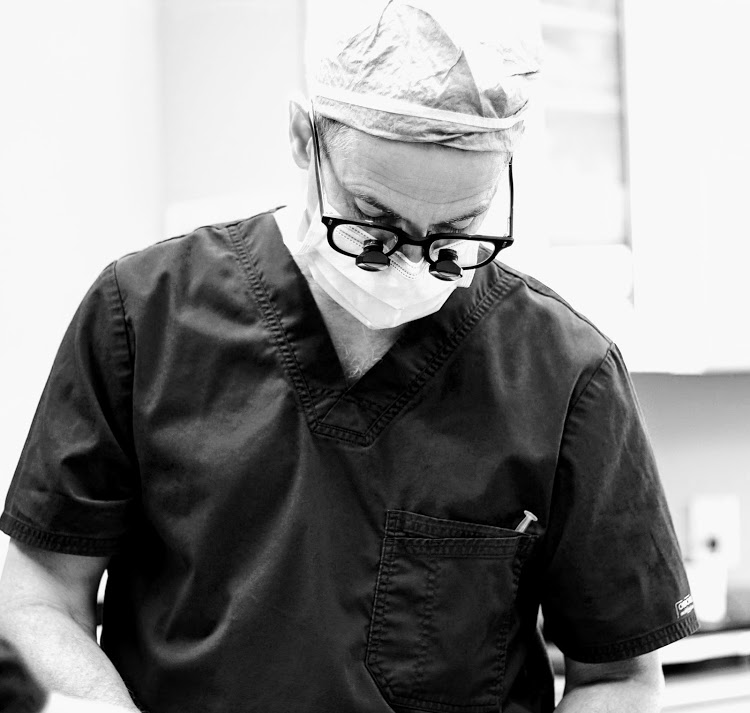
Dr. M. Ronan Conlon has practised ophthalmology in Saskatoon since 1994. He completed fellowship training in ocular pathology at Harvard University and in oculoplastic surgery at the University of Iowa. In 1996 he brought laser vision correction technology to Canada from Germany, and he specializes in oculoplastic surgery, LASIK, ASL (PRK) and refractive cataract surgery. With the establishment of the Conlon Eye Institute, Dr. Conlon has drawn on decades of experience in LASIK, RLE surgery, refractive cataract surgery, and oculoplastic surgery. He has also served as Head of Ophthalmology and Chief of Staff with the Saskatchewan Health Authority.
The information on this page should not be used in place of information provided by a doctor or specialist. To learn more, read our Privacy Policy and Editorial Policy pages.