Illustrative stock photograph; not a CEI patient, treatment result or clinic equipment.
Summer in Saskatchewan means long, bright days. We spend hours on the golf course, at the lake, in the garden or out in the field. All that sunshine is good for the soul, but the combination of strong UV light, steady wind and dust can be hard on the surface of your eyes.
Two common conditions linked to this kind of outdoor exposure are pinguecula and pterygium. Both are growths on the white of the eye. They sound alarming, but they’re usually not dangerous, and simple habits can help prevent them. Here’s what to look for and when to see an eye doctor.
Key Takeaways
- A pinguecula is a small yellowish bump on the white of the eye. A pterygium is a fleshy, wedge-shaped growth that can spread onto the cornea.
- Both are linked to UV light, wind, dust and dry conditions, which makes good sunglasses and a wide-brimmed hat your best protection.
- Lubricating drops often ease irritation. A pterygium may be removed if it affects your vision, keeps getting inflamed or bothers you cosmetically.
What Is a Pinguecula?
A pinguecula (ping-GWEK-yoo-luh) is a small, raised, yellowish or whitish patch on the conjunctiva, the thin clear membrane that covers the white of your eye. It usually sits beside the cornea, most often on the side closest to your nose.
A pinguecula is a change in the conjunctival tissue linked to sun, wind and dust. It usually stays on the white of the eye and does not usually affect vision. Many people have one and never notice it.
Sometimes a pinguecula becomes inflamed. This is called pingueculitis. The area turns red and may feel gritty or irritated, especially after a windy or dusty day.
What Is a Pterygium?
A pterygium (tuh-RIJ-ee-um) is a fleshy, pinkish growth of tissue that starts on the white of the eye and grows across onto the cornea, the clear front window of the eye. It is often wedge-shaped, with the point aiming toward the centre of your eye. Like a pinguecula, it most often starts on the nose side.
Pterygia (the plural) usually grow slowly, over months or years. Small ones may never cause trouble. Larger ones can:
- Cause redness, irritation or a feeling that something is in the eye
- Change the shape of the cornea and cause astigmatism, which blurs vision
- Block vision if they grow toward the centre of the cornea
- Make contact lenses uncomfortable
Pterygium has sometimes been called “surfer’s eye,” but you don’t need an ocean to get one. Farmers, construction workers, golfers, anglers and anyone who spends long hours outdoors can be at risk, and these growths can appear as early as the teens or twenties.

Why the Prairies Are Hard on Your Eyes
Both conditions are linked to:
- Ultraviolet (UV) light. Long summer days mean many hours of UV exposure. UV also reflects off water and bright surfaces.
- Wind. Constant wind dries the surface of the eye and adds irritation.
- Dust and debris. Gravel roads, harvest and yard work all put fine particles in the air.
- Dry air. Low humidity can leave the eye surface dry and more easily irritated.
How to Protect Your Eyes
Choose the Right Sunglasses
Look for sunglasses labelled UV400 or “100% UV protection.” Darker lenses don’t necessarily block more UV, so check the label. Wraparound styles or glasses with side shields block light and wind coming from the sides, where pterygia usually form.
Add a Hat
A broad-brimmed hat adds shade and works well with sunglasses. Remember that clouds don’t block UV light, and reflections off water and snow add exposure.
Wear Safety Glasses for Dusty Work
Clear or tinted safety glasses help when mowing, using power tools, working around grain or driving on gravel roads with the window down.
Keep Your Eyes Lubricated
Preservative-free artificial tears can help wash away dust and soothe irritation after a long day outdoors.
Treatment Options
Lubricating Drops
For mild irritation, artificial tears are usually the first step.
Prescription Drops
If a pinguecula or pterygium becomes red and swollen, your eye doctor may prescribe a short course of anti-inflammatory (steroid) drops and will monitor your eye while you use them.
Surgery for Pterygium
Removal may be considered if a pterygium:
- Is growing toward the centre of your vision
- Is causing astigmatism or blurred vision
- Stays red and irritated despite drops
- Bothers you cosmetically
Pterygium surgery is usually done as a day procedure with the eye numbed. After the growth is removed, the surgeon often covers the area with a small graft of your own conjunctiva, commonly taken from under the upper eyelid. Studies show a graft substantially lowers the chance of regrowth compared with leaving the area bare. Even so, a pterygium can come back, so protecting your eyes from sun, wind and dust afterward matters. Your surgeon will explain the benefits, risks and recovery for your eye.
If a small pterygium is quiet and not affecting your vision, watching it over time is often reasonable. Removal becomes worth discussing when it starts to affect sight or comfort.

When to See an Eye Doctor
Have a new growth on your eye checked, especially if it is changing, spreading onto the clear part of the eye, or causing redness or blurry vision. Pinguecula and pterygium are common, but an eye exam confirms what it is and rules out other, less common conditions. In Saskatchewan, optometrists assess many eye surface concerns, and an ophthalmologist can discuss surgery when it may help.
Seek prompt care for a painful red eye, sudden vision loss or an injury. After hours, our office voicemail directs callers to Saskatoon City Hospital at 306-655-8000 to ask for the ophthalmologist on call, or you can go directly to the nearest emergency department. In an emergency, you do not need to call us first.
Frequently Asked Questions
Is a pterygium cancer?
No. A pterygium is a non-cancerous growth. Still, any new or changing spot on the eye should be checked to make sure.
Can a pinguecula turn into a pterygium?
They’re related and share the same causes, but most pingueculae don’t become pterygia. Protecting your eyes from UV and wind helps with both.
Will a pterygium go away on its own?
No, but many stay small and never need treatment. Drops can calm irritation.
Does pterygium removal hurt?
The eye is numbed for surgery. Afterward, it’s common to feel scratchy and sore for a few days while the surface heals. Comfort varies from person to person, and your surgeon will explain how to manage it.
Can pterygium come back after surgery?
Yes, it can. A conjunctival graft lowers the risk, and wearing UV-blocking sunglasses and protecting your eyes from wind and dust afterward helps.
Book Your Consultation
If a pterygium is affecting your vision or comfort, or you have questions about whether removal makes sense, we can help. Book your consultation: call our Saskatoon office at 306-244-4111, Monday to Friday, 7 am to 4 pm. Conlon Eye Institute is in the Medical Arts Building, 341-750 Spadina Crescent East, Saskatoon, SK S7K 3H3.
References
- American Academy of Ophthalmology. Pinguecula and Pterygium (Surfer’s Eye). https://www.aao.org/eye-health/diseases/pinguecula-pterygium — supports definitions, links to UV/wind/dust, sunglasses and dust protection, lubricating and steroid drops.
- American Academy of Ophthalmology. The Sun, UV Light and Your Eyes. https://www.aao.org/eye-health/tips-prevention/sun — supports UV400/100% UV sunglasses, broad-brimmed hats, clouds not blocking UV, reflections, pterygium in teens/20s and outdoor workers.
- Hovanesian JA et al. Options and Adjuvants in Surgery for Pterygium (AAO Ophthalmic Technology Assessment). Ophthalmology 2013. https://www.aaojournal.org/article/S0161-6420%2812%2900696-3/fulltext — supports that conjunctival autograft reduces recurrence versus bare-sclera excision.
- Community Eye Health Journal. Understanding and managing pterygium. https://pmc.ncbi.nlm.nih.gov/articles/PMC5340105/ — supports that not every pterygium needs surgery and recurrence remains possible.
About the Author
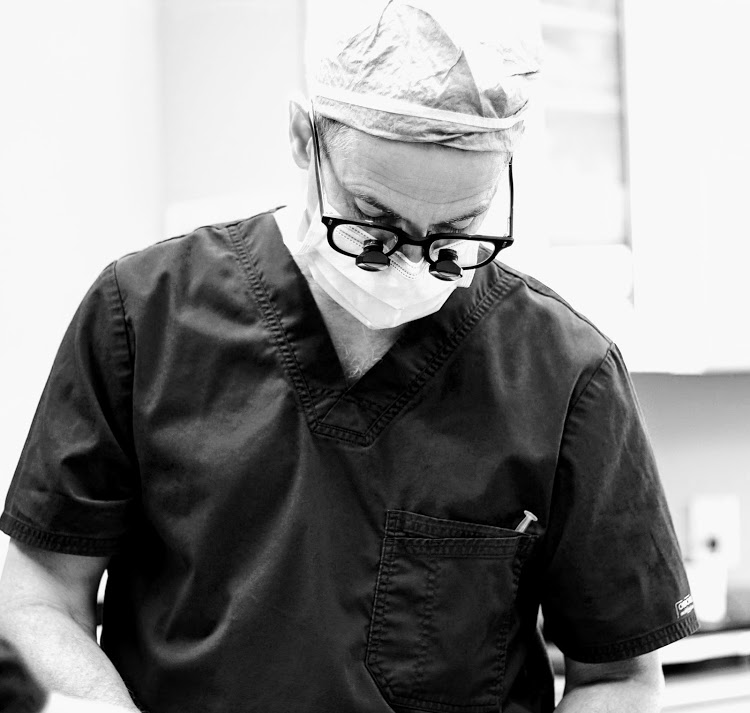
Dr. M. Ronan Conlon has practised ophthalmology in Saskatoon since 1994. He completed fellowship training in ocular pathology at Harvard University and in oculoplastic surgery at the University of Iowa. In 1996 he brought laser vision correction technology to Canada from Germany, and he specializes in oculoplastic surgery, LASIK, ASL (PRK) and refractive cataract surgery. With the establishment of the Conlon Eye Institute, Dr. Conlon has drawn on decades of experience in LASIK, RLE surgery, refractive cataract surgery, and oculoplastic surgery. He has also served as Head of Ophthalmology and Chief of Staff with the Saskatchewan Health Authority.
The information on this page should not be used in place of information provided by a doctor or specialist. To learn more, read our Privacy Policy and Editorial Policy pages.