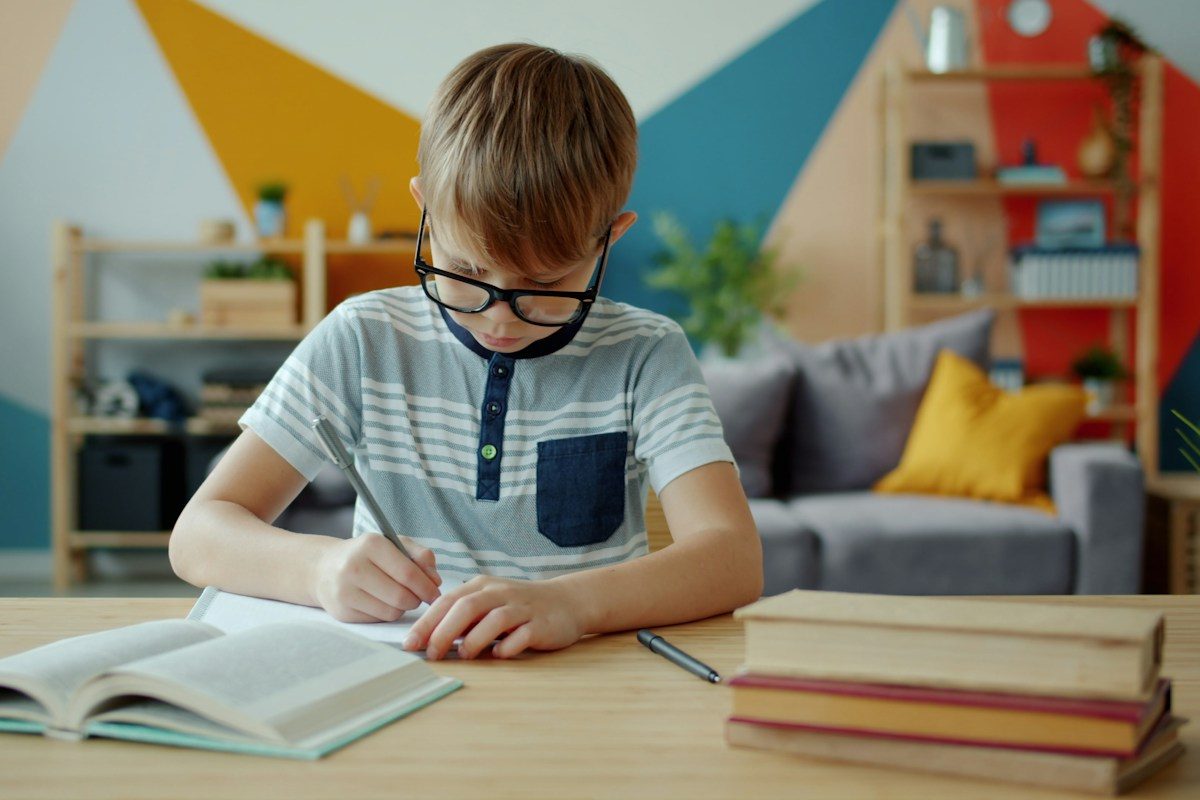
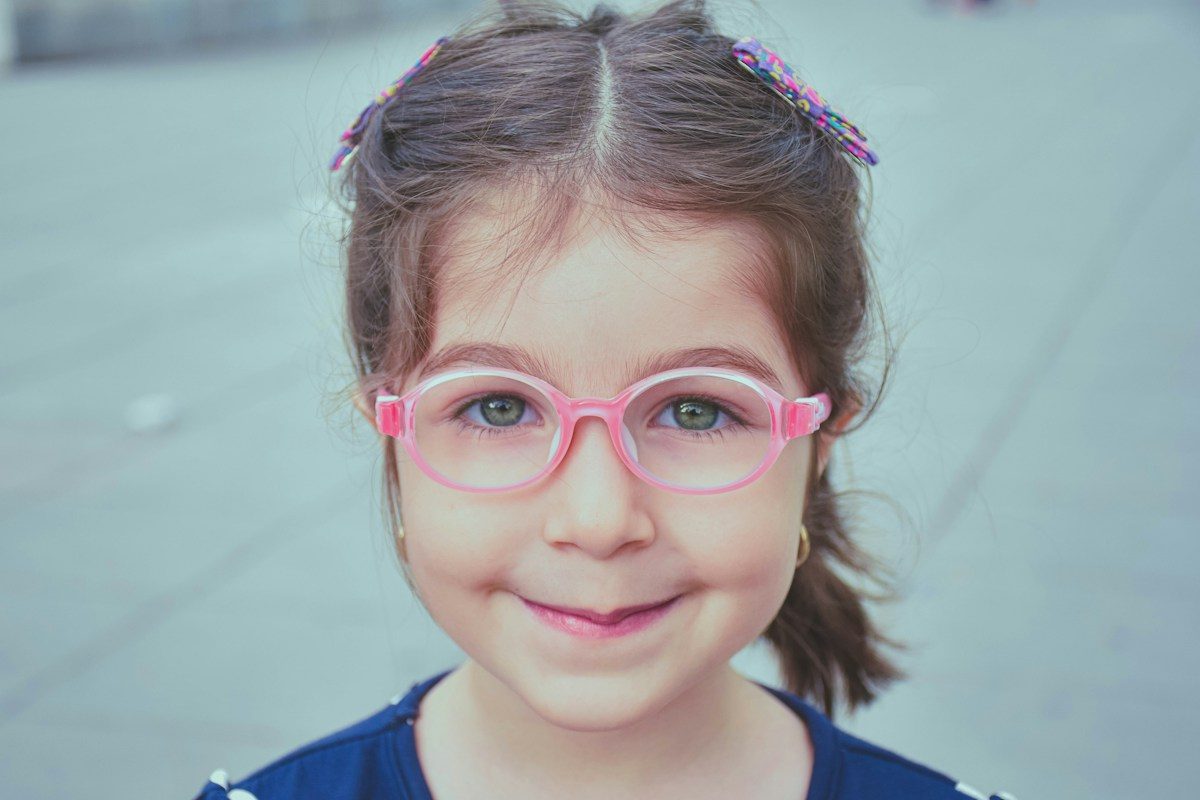
Illustrative stock photograph; not a CEI patient, treatment result or clinic equipment.
New backpacks, fresh pencil crayons and that first-day photo on the front step. As families across Saskatoon get ready for a new school year, there’s one item worth adding to the checklist: an eye exam.
So much of what children learn comes through their eyes, from reading the board to following a ball at recess. Yet kids rarely say, “I can’t see well.” They often assume everyone sees the way they do. Here are the signs to watch for, why a yearly exam matters, and when a child may need care from an eye specialist.
Key Takeaways
- Children often don’t realize they have a vision problem, so watch for squinting, sitting close to screens, head tilting, rubbing eyes, headaches or trouble with reading.
- In Saskatchewan, Saskatchewan Health covers a yearly eye exam with an optometrist for children under 18. School vision screenings are helpful but aren’t a full exam.
- Some problems, such as an eye turn, a droopy eyelid or signs of eye disease, may need care from an ophthalmologist, a medical doctor who specializes in eye diseases and surgery.
Signs Your Child May Have a Vision Problem
Keep an eye out for:
- Squinting or closing one eye to see
- Sitting very close to the TV or holding books and tablets close to the face
- Tilting the head or turning it to one side to look at things
- Rubbing the eyes often, or eyes that water a lot
- Headaches or tired eyes, especially after school or homework
- Losing their place while reading or using a finger to follow along
- Avoiding reading, colouring or other close-up tasks
- Trouble catching or hitting a ball
- An eye that turns in, out, up or down, even some of the time
- Complaints of blurry or double vision
Sometimes a vision problem looks like something else. A child who can’t see the board clearly may seem distracted, fidgety or uninterested in class.
Why Yearly Eye Exams Matter
A Screening Isn’t an Exam
Vision screenings at school or the doctor’s office are useful, but they usually only check how well a child sees at a distance. A comprehensive eye exam with an optometrist checks much more, including focusing, eye teamwork, depth perception and the health of the eyes inside and out.
Covered by Saskatchewan Health
Saskatchewan Health covers an annual eye exam with an optometrist for all children under 18. Children don’t need to be in school to have one. The Saskatchewan Association of Optometrists recommends a first exam between 6 and 9 months of age, at least one exam between ages 2 and 5, and yearly exams for school-aged children.
Early Treatment Works Best
Some childhood eye problems, such as amblyopia (often called lazy eye), respond best when treated young, while the visual system is still developing. Finding them early can make a real difference.
Common Childhood Vision Problems
- Nearsightedness (myopia): Trouble seeing far away, such as the board at school.
- Farsightedness (hyperopia): Close-up work can be tiring or blurry, especially for reading.
- Astigmatism: Blurry or distorted vision at all distances.
- Amblyopia (lazy eye): One eye doesn’t develop normal vision. It is often treated with glasses, patching or eye drops.
- Strabismus: The eyes don’t line up together. One eye may turn in, out, up or down.
When Specialist Care May Be Needed
Optometrists handle most childhood vision needs, including glasses and many cases of amblyopia. Some conditions need an ophthalmologist, a medical doctor who specializes in eye diseases and surgery. These can include:
- An eye turn (strabismus) that may need further treatment or surgery
- Amblyopia that isn’t improving as expected
- A droopy eyelid (ptosis) that covers part of the pupil
- A blocked tear duct that hasn’t cleared up on its own
- Signs of eye disease, such as a cataract or raised eye pressure
- An eye injury
Many children with these concerns are cared for by a paediatric ophthalmologist, who focuses on children’s eyes. Some eyelid and tear duct problems are managed by an oculoplastic surgeon, who specializes in the eyelids and tear drainage system.
Get Help Right Away If…
Don’t wait for a routine exam if your child has an eye injury, sudden changes in vision, an eye that suddenly starts turning, a painful red eye, or a white or unusual reflection in one pupil in flash photos. Contact your optometrist or family doctor right away. After hours, our office voicemail directs callers to Saskatoon City Hospital at 306-655-8000 to ask for the ophthalmologist on call, or you can go directly to the nearest emergency department. In an emergency, you do not need to call us first.
Healthy Eye Habits for the School Year
- Take screen breaks. Try the 20-20-20 rule: every 20 minutes, look at something about 20 feet (6 metres) away for 20 seconds.
- Get outside. Time outdoors is good for overall health. Strong evidence suggests it can delay or help prevent nearsightedness starting in children.
- Protect their eyes in sports. Use proper protective eyewear for hockey, baseball, racquet sports and other activities with a risk of eye injury.
- Wear sunglasses. Children spend a lot of time outside, and UV exposure adds up over a lifetime. Sunglasses labelled UV400 or 100% UV protection, plus a brimmed hat, help.
- Keep glasses on. If your child has glasses, encourage them to wear them as prescribed, and let the teacher know.
Frequently Asked Questions
How often should my child have an eye exam?
Most optometrists recommend a yearly exam for school-aged children. Your optometrist may suggest a different schedule based on your child’s needs.
Are children’s eye exams covered in Saskatchewan?
Yes. Saskatchewan Health covers an annual eye exam with an optometrist for all children under 18. Ask your optometrist’s office about coverage for any extra visits in the same year.
Can screen time damage my child’s eyes?
Long periods on screens can cause tired, dry eyes. Regular breaks and outdoor time help.
What age should my child have their first eye exam?
The Saskatchewan Association of Optometrists recommends a first exam between 6 and 9 months of age, and sooner if you notice any concerns.
Book Your Consultation
Book your child’s yearly exam with your optometrist before the first day of school. If your child has an eyelid or tear duct concern, or you have questions about specialist eye care, our team can help. Book your consultation: call our Saskatoon office at 306-244-4111, Monday to Friday, 7 am to 4 pm. Conlon Eye Institute is in the Medical Arts Building, 341-750 Spadina Crescent East, Saskatoon, SK S7K 3H3.
References
- Government of Saskatchewan. Partially Covered Services: Optometric services. https://www.saskatchewan.ca/residents/health/prescription-drug-plans-and-health-coverage/health-benefits-coverage/partially-covered-services — supports annual eye exam coverage for all individuals under 18.
- Saskatchewan Association of Optometrists. Eye Exams. https://optometrists.sk.ca/resource-library/eye-exams/ — supports recommended exam ages (6–9 months, once at 2–5 years, yearly at 6–19) and coverage for children under 18.
- Saskatchewan Association of Optometrists. Eye Care Coverage. https://optometrists.sk.ca/eye-care-coverage/ — supports annual exams for all children under 18 and conditional coverage for extra exams within 365 days.
- American Academy of Ophthalmology. Reducing the Global Burden of Myopia (clinical statement, 2021). https://www.aao.org/education/clinical-statement/reducing-global-burden-of-myopia-by-delaying-onset — supports outdoor time delaying or preventing myopia onset.
- American Academy of Ophthalmology. The Sun, UV Light and Your Eyes. https://www.aao.org/eye-health/tips-prevention/sun — supports children wearing hats and UV-blocking sunglasses.
About the Author
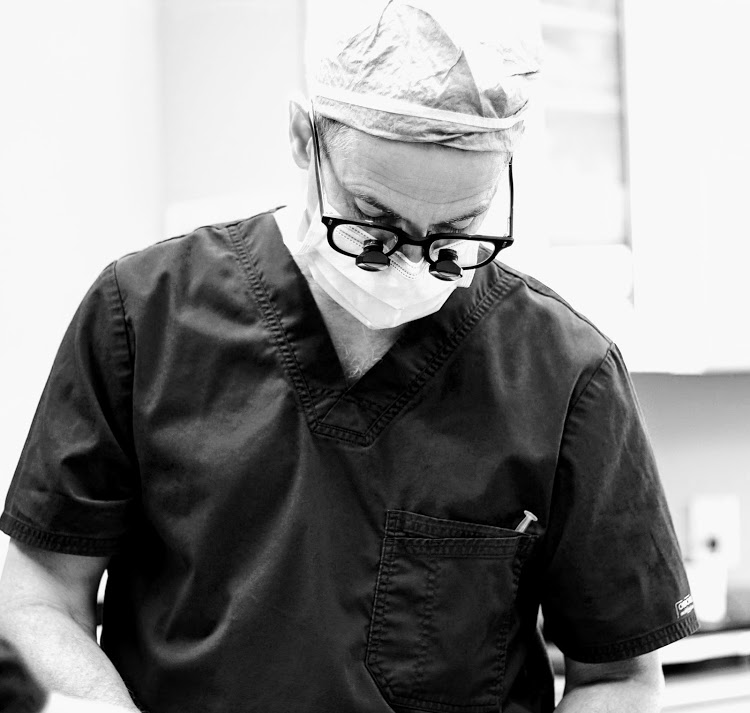
Dr. M. Ronan Conlon has practised ophthalmology in Saskatoon since 1994. He completed fellowship training in ocular pathology at Harvard University and in oculoplastic surgery at the University of Iowa. In 1996 he brought laser vision correction technology to Canada from Germany, and he specializes in oculoplastic surgery, LASIK, ASL (PRK) and refractive cataract surgery. With the establishment of the Conlon Eye Institute, Dr. Conlon has drawn on decades of experience in LASIK, RLE surgery, refractive cataract surgery, and oculoplastic surgery. He has also served as Head of Ophthalmology and Chief of Staff with the Saskatchewan Health Authority.
The information on this page should not be used in place of information provided by a doctor or specialist. To learn more, read our Privacy Policy and Editorial Policy pages.