

Illustrative stock photograph; not a CEI patient, treatment result or clinic equipment.
Imagine waking up and noticing that the vision in one eye is blurry, as if you’re looking through a smudge. There’s no pain and no redness. It might even seem like it will clear if you blink. For some people, this is the first sign of a retinal vein occlusion.
A retinal vein occlusion, sometimes called an “eye stroke,” happens when a vein that drains blood from the retina becomes blocked. It’s one of the more common causes of sudden vision loss in older adults. The good news is that treatment has improved a great deal, and many people keep or regain useful vision. Here’s what you need to know.
Key Takeaways
- A retinal vein occlusion is a blockage in one of the veins of the retina. It often causes sudden, painless blurred vision in one eye.
- High blood pressure, diabetes, high cholesterol, glaucoma, smoking and age all raise the risk.
- Treatment focuses on swelling in the retina and other complications, often with injections of medication into the eye, along with managing your overall health.
What Is a Retinal Vein Occlusion?
The retina is the light-sensitive layer at the back of the eye. Arteries bring blood to it, and veins carry blood away. When one of those veins is blocked, blood and fluid can’t drain properly. They back up and leak into the retina, causing swelling and bleeding.
There are two main types:
- Branch retinal vein occlusion (BRVO): A smaller branch vein is blocked. This affects part of the retina and may affect only part of your vision.
- Central retinal vein occlusion (CRVO): The main vein of the retina is blocked. This affects the whole retina and often causes more vision loss.
The blockage often happens where an artery crosses over a vein. Hardened arteries, common with high blood pressure and age, can press on the vein and slow blood flow.
Symptoms to Watch For
Retinal vein occlusion usually affects one eye. Symptoms can include:
- Sudden blurry or cloudy vision
- A dark or blurry patch in part of your vision
- Distorted vision, where straight lines look wavy
- Vision loss that’s mild in some people and more severe in others
Because there’s no pain, some people put off getting checked. Others only notice when they cover their good eye.
When It’s an Emergency
Sudden vision loss always needs urgent attention. Call your optometrist or eye doctor the same day. If your vision loss is sudden and severe, or comes with weakness, numbness, trouble speaking or a drooping face, call 911 or go to the nearest emergency department. A blocked artery in the eye, or a stroke, needs emergency care.
Who’s at Risk?
Retinal vein occlusion is most common in people over 50. Risk factors include:
- High blood pressure
- Diabetes
- High cholesterol
- Glaucoma or high eye pressure
- Smoking
- Some blood disorders and conditions that affect blood clotting
Many of these also affect the heart and blood vessels elsewhere in the body. That’s why a retinal vein occlusion can be a useful warning sign about your general health.
How Retinal Vein Occlusion Is Diagnosed
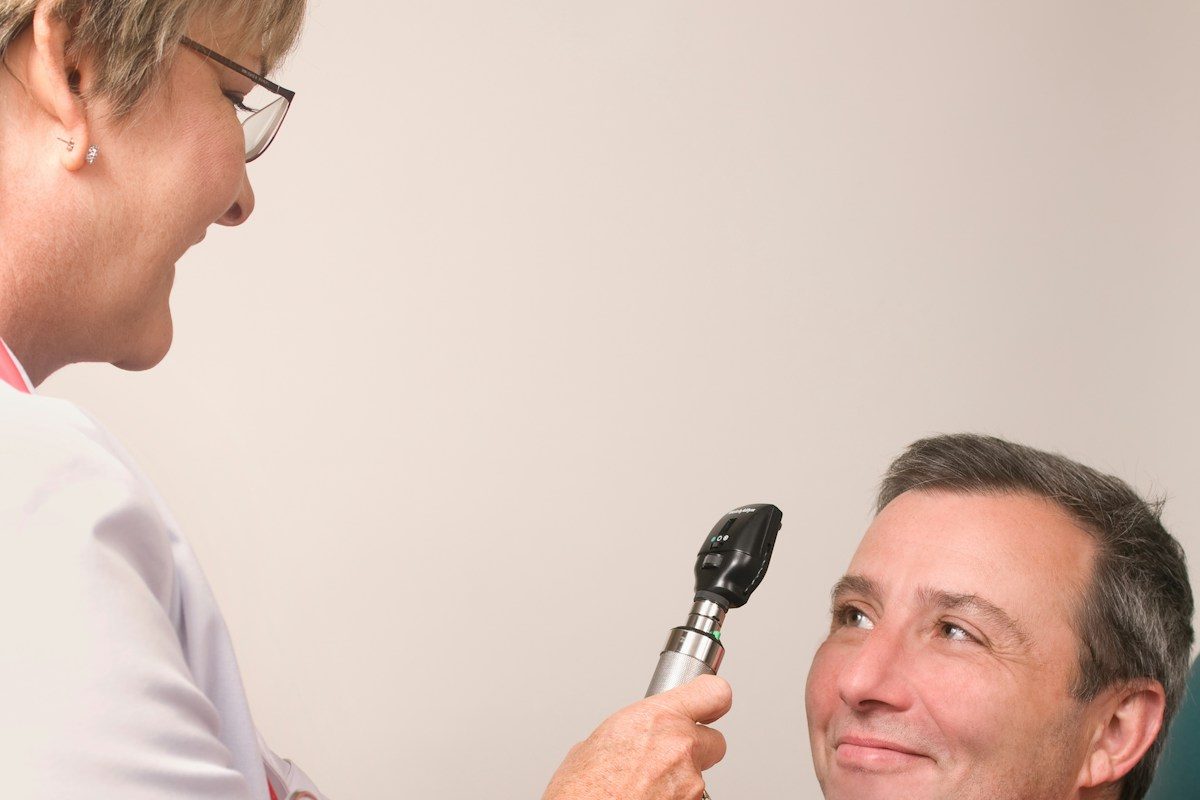
Your eye doctor will dilate your pupils and examine your retina. You’ll often have an OCT scan, a quick, painless scan that shows any swelling in the retina. Sometimes a special photo test with dye, called fluorescein angiography, is used to see how blood is flowing.
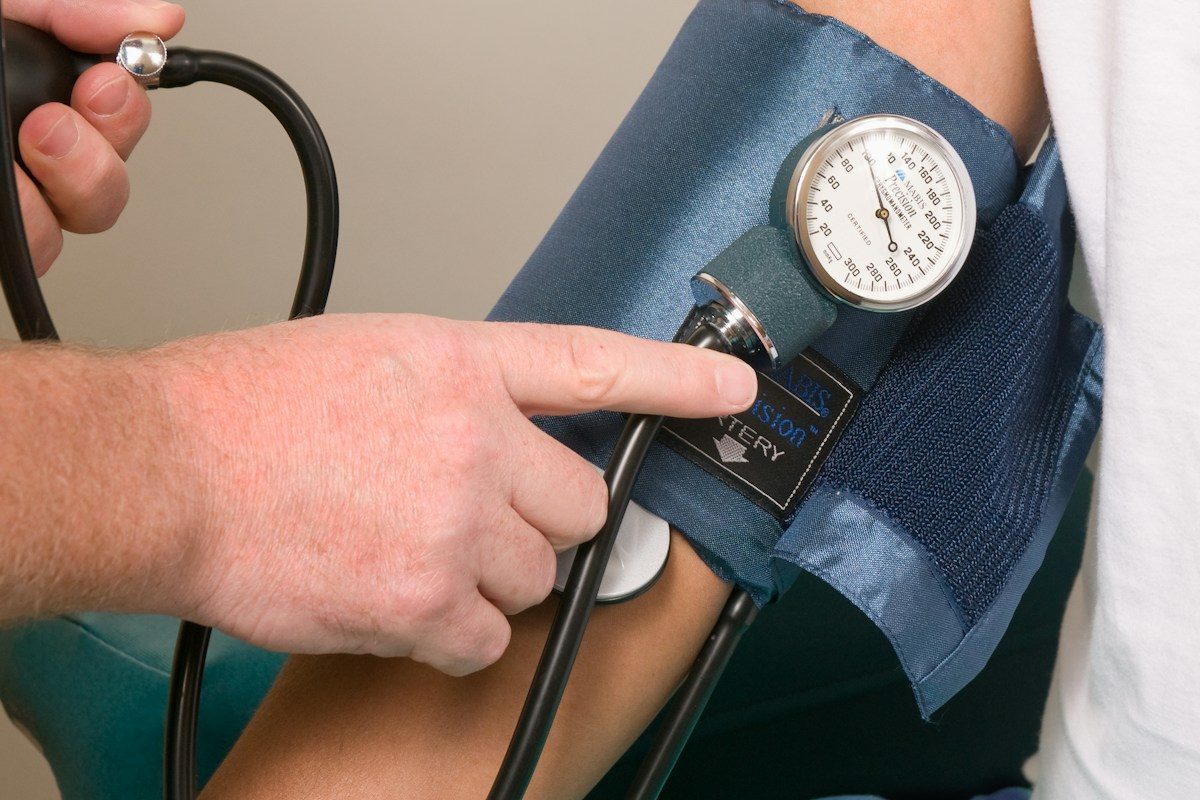
We’ll also ask about your health and may suggest that your family doctor check your blood pressure, blood sugar and cholesterol.
How It’s Treated
There’s no treatment that reopens the blocked vein. Instead, treatment focuses on the problems the blockage causes and on protecting your vision.
Treating Macular Swelling
The most common cause of vision loss after a retinal vein occlusion is swelling in the macula, the central part of the retina. This is called macular edema. It’s often treated with anti-VEGF injections, the same type of medication used for wet macular degeneration and diabetic eye disease. These medications reduce leaking and swelling. Several anti-VEGF medicines exist, and your eye doctor will explain which treatment fits your eye. Injections are usually given on a schedule, and the timing between them may be stretched out as the eye improves.
The injection itself is quick. The eye is numbed first, and most people feel pressure rather than pain.
In some cases, a steroid implant or laser treatment may be used instead of, or along with, injections.
Preventing Abnormal Blood Vessels
When part of the retina doesn’t get enough blood flow, the eye may grow fragile new blood vessels. These can bleed or raise the pressure in the eye. Laser treatment or injections can help prevent this. Regular follow-up visits let your eye doctor catch it early.
Managing Your Overall Health
Keeping blood pressure, blood sugar and cholesterol under control lowers the risk of problems in your other eye and in the rest of your body. Work with your family doctor on these, because the same risk factors can affect the heart and brain. If you smoke, quitting helps your eyes and your heart.
What’s the Outlook?
Results vary. Some people with a small branch occlusion regain much of their vision with little or no treatment. Others, especially with a central occlusion, may have lasting changes. Starting treatment for swelling early, and keeping up with follow-up visits, gives you the best chance of protecting your vision.
Frequently Asked Questions
Is a retinal vein occlusion the same as a stroke?
It’s sometimes called an eye stroke, but it’s a blockage in a vein of the retina, not in the brain. It shares many risk factors with stroke, though, so it’s a good reason to check your overall health.
Can it happen in the other eye?
It can, but it’s less common. Managing blood pressure, diabetes and cholesterol helps lower the risk.
Will my vision come back?
It depends on the type of blockage and how much swelling there is. Many people see improvement with treatment, especially when it starts early.
How long will I need injections?
That varies. Some people need injections for months, others longer. Your eye doctor will adjust the plan based on how your eye responds.
Book Your Consultation
Sudden blurry vision in one eye needs a same-day eye exam, not a routine appointment. After hours, our office voicemail directs callers to Saskatoon City Hospital at 306-655-8000 to ask for the ophthalmologist on call, or you can go directly to the nearest emergency department. In an emergency, you do not need to call us first. For signs of a stroke, call 911. For questions about retinal conditions and follow-up care, our team can help. Book your consultation: call our Saskatoon office at 306-244-4111, Monday to Friday, 7 am to 4 pm. Conlon Eye Institute is in the Medical Arts Building, 341-750 Spadina Crescent East, Saskatoon, SK S7K 3H3.
References
- American Academy of Ophthalmology. What Is Central Retinal Vein Occlusion? https://www.aao.org/eye-health/diseases/what-is-central-retinal-vein-occlusion — supports causes, risk factors (high blood pressure, diabetes), symptoms and diagnosis.
- American Academy of Ophthalmology. What Is Branch Retinal Vein Occlusion? https://www.aao.org/eye-health/diseases/what-is-branch-retinal-vein-occlusion — supports BRVO description and diagnostic testing.
- EyeWiki. Central Retinal Vein Occlusion. https://eyewiki.org/Central_Retinal_Vein_Occlusion — supports anti-VEGF therapy as first-line treatment for macular edema, steroid and laser options, and monitoring for new vessels.
About the Author
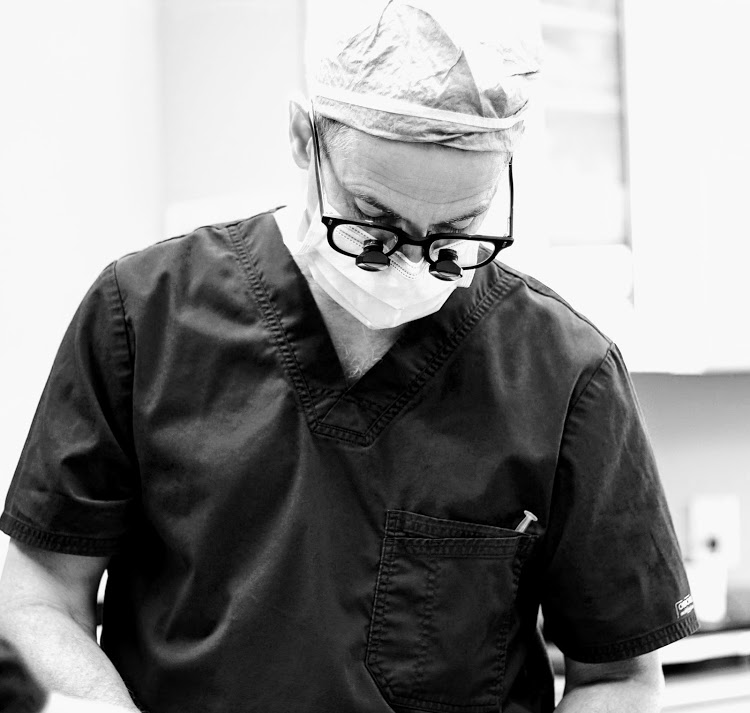
Dr. M. Ronan Conlon has practised ophthalmology in Saskatoon since 1994. He completed fellowship training in ocular pathology at Harvard University and in oculoplastic surgery at the University of Iowa. In 1996 he brought laser vision correction technology to Canada from Germany, and he specializes in oculoplastic surgery, LASIK, ASL (PRK) and refractive cataract surgery. With the establishment of the Conlon Eye Institute, Dr. Conlon has drawn on decades of experience in LASIK, RLE surgery, refractive cataract surgery, and oculoplastic surgery. He has also served as Head of Ophthalmology and Chief of Staff with the Saskatchewan Health Authority.
The information on this page should not be used in place of information provided by a doctor or specialist. To learn more, read our Privacy Policy and Editorial Policy pages.