
Illustrative stock photograph; not a CEI patient, treatment result or clinic equipment.
“Eat your carrots and you’ll see in the dark.” “Don’t sit so close to the TV.” “Your eyes will stay crossed.” Most of us grew up hearing advice like this about our eyes. Some of it has a grain of truth. Much of it doesn’t.
Here are the facts behind common eye myths, based on information from the American Academy of Ophthalmology, plus the habits that really do help protect your sight.
Key Takeaways
- Carrots support healthy eyes but won’t improve your vision or replace glasses.
- Reading in dim light, sitting close to the TV and using screens won’t damage your eyes, though they can make your eyes tired.
- Wearing glasses won’t make your eyes worse or “dependent” on them.
- Eye exercises don’t improve vision or remove the need for glasses.
- Never look directly at the sun without proper solar filters.
- Vision loss isn’t an inevitable part of aging. Many problems can be treated, and regular exams help catch them early.
Myth: Eating Carrots Will Improve Your Vision
The facts: Vitamin A is essential for healthy eyesight, and carrots contain lots of it. But your body needs only a relatively small amount of vitamin A for vision, and you can get it from many foods, including dark leafy greens, brightly coloured vegetables, dairy and fish. A healthy diet helps maintain good eyesight, but carrots won’t sharpen your vision or keep you out of glasses.
Myth: Reading in Dim Light Damages Your Eyes
The facts: Reading in dim light doesn’t harm your eyes. It may make your eyes tire more quickly, though. Good lighting makes reading easier and more comfortable.
Myth: Sitting Close to the TV Will Ruin a Child’s Eyes
The facts: Sitting very close to the TV may cause eye strain or a headache, but it won’t damage vision in children or adults. Children can focus up close very easily, so they may simply find it comfortable. However, a child who always sits close to the screen may be nearsighted and need glasses, so it’s worth getting their eyes checked.
Myth: Computers and Phones Damage Your Eyes
The facts: Screens won’t harm your eyes, but long stretches without breaks can lead to eye strain and dry eyes. Rest your eyes every 20 minutes by looking across the room, blink often, and use artificial tears if your eyes feel dry.
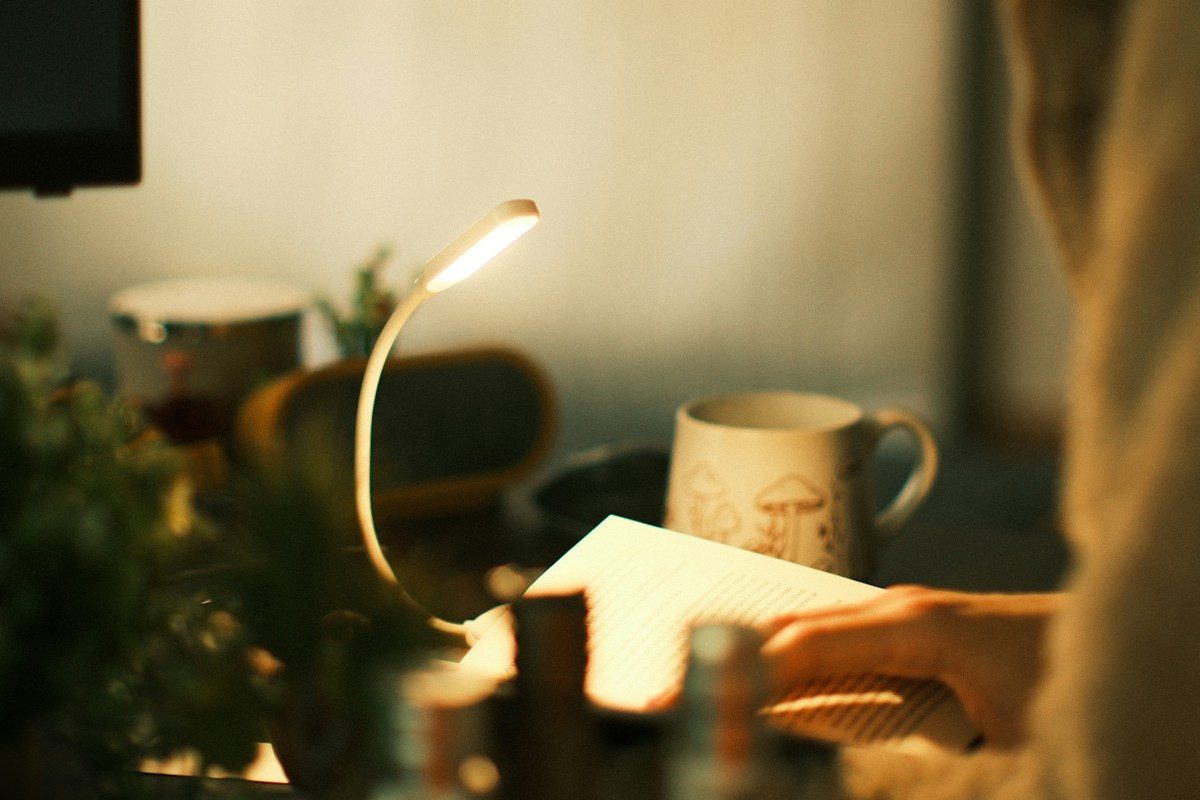
Illustrative stock photograph; not a CEI patient, treatment result or clinic equipment.
Myth: Wearing Glasses Makes Your Eyes Weaker
The facts: Wearing glasses or contact lenses won’t worsen your vision or cause eye disease. If you need glasses for distance or reading, wearing them helps you see your best and avoid eye strain.
Myth: The Wrong Glasses Will Damage Your Eyes
The facts: Wearing glasses with an incorrect prescription won’t damage your eyes. It may cause eye strain, blur or a headache, which should go away when you take them off.
Myth: Reading Fine Print Wears Out Your Eyes
The facts: Reading and detailed close-up work don’t wear out your eyes. They can make your eyes tired, so take regular breaks by looking into the distance.
Myth: Eye Exercises Can Fix Your Vision
The facts: Eye exercises won’t improve or preserve your vision or reduce your need for glasses. Your vision depends on many factors that exercises can’t change. Specific exercises can help one condition, convergence insufficiency, where the eyes don’t work together well for close-up focus.
Myth: If You Cross Your Eyes, They’ll Stay That Way
The facts: Crossing your eyes on purpose won’t make them stay crossed. An eye that turns can be caused by disease, uncorrected vision, or muscle or nerve problems, and it should be checked, especially in children.
Myth: Looking at the Sun Is Good for You
The facts: Staring at the sun, even briefly, without the right protection can permanently damage your retina and even cause blindness. Ordinary sunglasses and homemade filters aren’t safe for looking at the sun. Only special solar filters that meet the ISO 12312-2 standard are safe for direct sun viewing, such as during an eclipse.
Myth: People Who Are Colour Blind See Only Black and White
The facts: Most people with colour vision deficiency see colours but have trouble telling some apart, most often reds and greens. Seeing only in shades of grey is rare.
Myth: Losing Vision Is Just Part of Getting Older
The facts: Many vision problems that come with age can be treated. Presbyopia (needing help with near vision) and cataracts can both be corrected so adults can see clearly again. Regular eye exams help catch conditions such as glaucoma and macular degeneration early, when treatment can often slow or prevent vision loss.
Habits That Really Help
- Have regular eye exams based on your age and risk.
- Wear safety eyewear for risky work and sports.
- Take screen breaks and blink often.
- Eat a balanced diet with a variety of vegetables, dairy and fish.
- Get new or sudden vision changes checked promptly. After hours, our office voicemail directs callers to Saskatoon City Hospital at 306-655-8000 to ask for the ophthalmologist on call, or you can go directly to the nearest emergency department. In an emergency, you do not need to call us first.
Frequently Asked Questions
Will reading glasses make my eyes lazy?
No. Reading glasses help you see up close; they don’t make your eyes worse.
Are sunglasses safe for watching an eclipse?
No. Ordinary sunglasses aren’t safe for looking at the sun. Use only solar filters that meet the ISO 12312-2 standard.
My child sits close to the TV. Should I worry?
It won’t harm their eyes, but it can be a sign of nearsightedness. An eye check is a good idea.
Book Your Consultation
If you have questions about your vision or are due for an eye exam, our team can help. Book your consultation: call our Saskatoon office at 306-244-4111, Monday to Friday, 7 am to 4 pm. Conlon Eye Institute is in the Medical Arts Building, 341-750 Spadina Crescent East, Saskatoon, SK S7K 3H3.
References
- American Academy of Ophthalmology. Common Eye and Vision Myths. https://www.aao.org/eye-health/tips-prevention/common-eye-vision-myths-facts — supports each myth and fact: carrots and vitamin A sources, eye exercises (except convergence insufficiency), sun gazing and ISO 12312-2 solar filters, crossing eyes, sitting close to the TV and nearsightedness, reading in dim light, computers with 20-minute breaks, blinking and artificial tears, fine print, glasses dependence, wrong glasses, colour blindness, and treatable age-related vision problems with regular exams.
- Harvard Health Publishing. 5 truths about protecting your eyes. https://www.health.harvard.edu/healthy-aging-and-longevity/5-truths-about-protecting-your-eyes — supports that dim light tires but doesn’t damage the eyes, carrots don’t correct basic vision problems, not wearing needed glasses strains the eyes without worsening vision, and screen use causes eye strain rather than damage.
About the Author
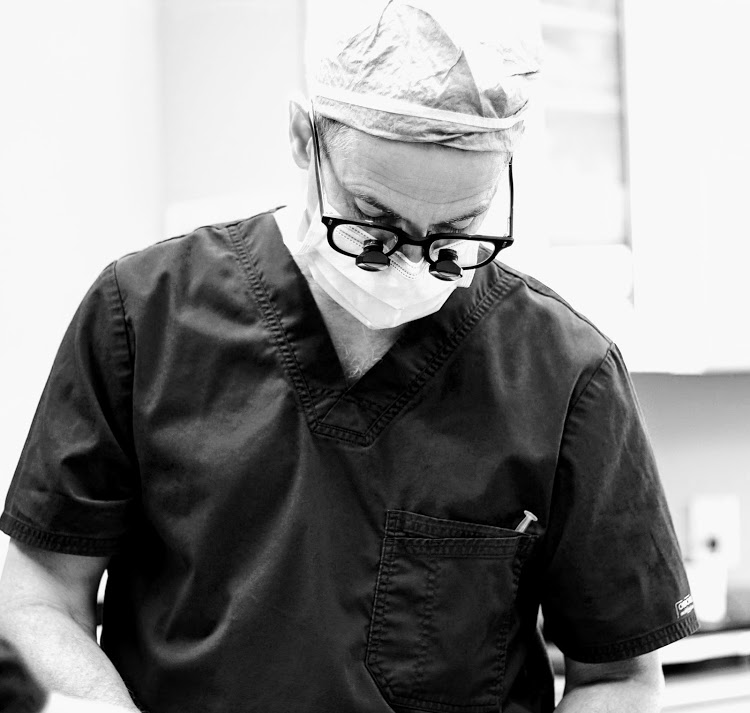
Dr. M. Ronan Conlon has practised ophthalmology in Saskatoon since 1994. He completed fellowship training in ocular pathology at Harvard University and in oculoplastic surgery at the University of Iowa. In 1996 he brought laser vision correction technology to Canada from Germany, and he specializes in oculoplastic surgery, LASIK, ASL (PRK) and refractive cataract surgery. With the establishment of the Conlon Eye Institute, Dr. Conlon has drawn on decades of experience in LASIK, RLE surgery, refractive cataract surgery, and oculoplastic surgery. He has also served as Head of Ophthalmology and Chief of Staff with the Saskatchewan Health Authority.
The information on this page should not be used in place of information provided by a doctor or specialist. To learn more, read our Privacy Policy and Editorial Policy pages.