
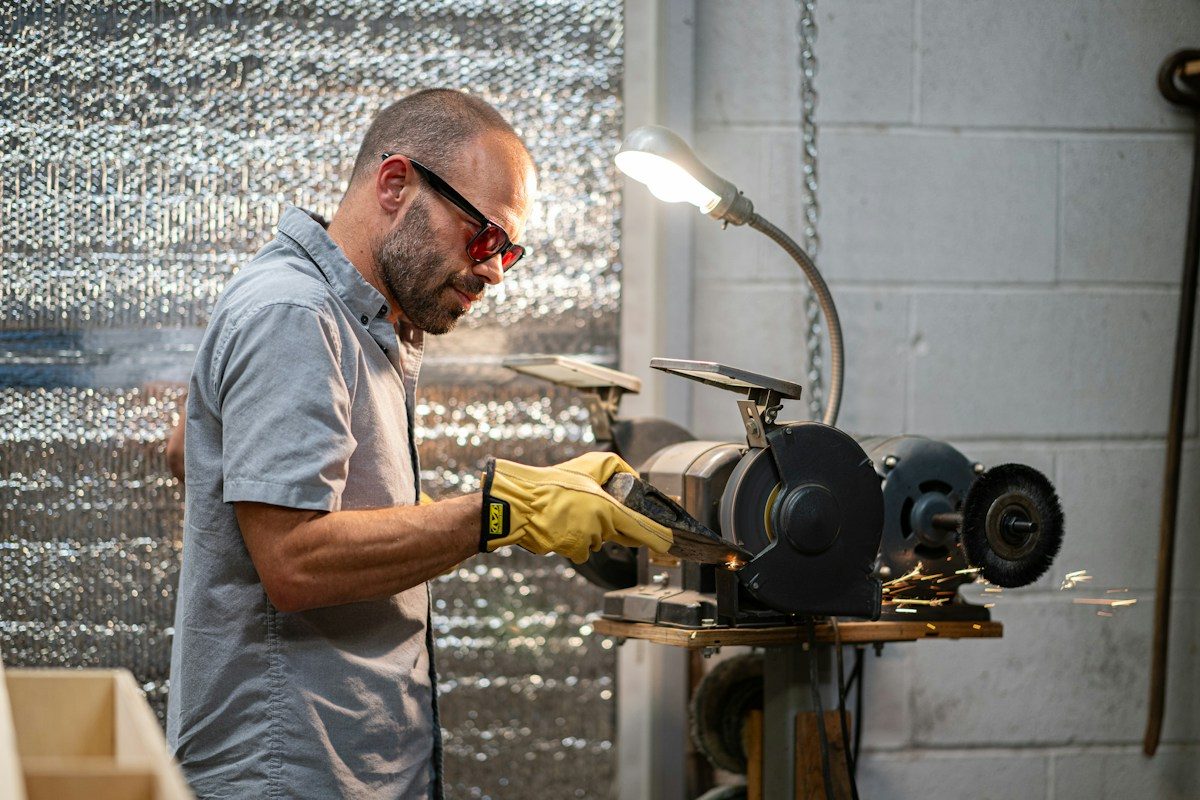
Illustrative stock photograph; not a CEI patient, treatment result or clinic equipment.
Eye injuries happen fast: a splash of cleaner, a chip of metal from a grinder, a branch in the yard or an elbow in a hockey game. What you do in the first few minutes can make a real difference. This guide explains the first steps for common eye injuries, what to avoid and when to get emergency care.
This is general information, not a substitute for medical care. If you’re unsure how serious an injury is, get it checked.
Key Takeaways
- For a chemical splash, start flushing the eye with clean water immediately and keep going, then get emergency care.
- Don’t rub an injured eye, and never try to remove an object stuck in the eye.
- For a cut or puncture, protect the eye with a shield that doesn’t press on it, and get emergency help.
- Wearing proper safety eyewear prevents many eye injuries.
Warning Signs of a Serious Eye Injury
Get medical help right away if you notice any of these after an injury:
- Ongoing eye pain
- Trouble seeing
- A cut or torn eyelid
- One eye that doesn’t move as well as the other
- One eye sticking out more than the other
- An unusual pupil size or shape
- Blood in the clear part of the eye
- Something in the eye, or under the lid, that tears and blinking can’t remove
After hours, our office voicemail directs callers to Saskatoon City Hospital at 306-655-8000 to ask for the ophthalmologist on call, or you can go directly to the nearest emergency department. In an emergency, you do not need to call us first.
Chemical Splashes
Chemical injuries are true emergencies. Household cleaners, drain openers, lime, cement, battery acid, fertilizers and pool chemicals can all damage the eye.
- Flush immediately. Hold the eye open and rinse it with plenty of clean, lukewarm water. A shower, tap or eyewash station all work. Don’t wait to find a special solution.
- Keep flushing. Keep rinsing for a prolonged period, and continue on the way to care if you can.
- Remove contact lenses if they don’t come out with the rinsing, but don’t delay flushing to do it.
- Get emergency care. Bring the product container or label if it’s safe to do so, so the team knows what the chemical was.
Don’t try to neutralize the chemical with another substance, and don’t bandage the eye.
Dust, Sand or Small Particles
Getting sand, dust or an eyelash in your eye is usually not an emergency. Tears and blinking often wash it out.
- Don’t rub the eye. Rubbing can scratch the cornea.
- Blink several times and let tears flush the particle.
- Lift the upper eyelid over the lower lashes so the lashes can brush the particle out.
- Rinse with eyewash, saline or clean running water.
Metal, glass or other man-made materials are more serious, because they can embed in the surface of the eye. If you can’t get a particle out, or it still feels like something is there afterward, see a doctor or go to the emergency department.
Illustrative stock photograph; not a CEI patient, treatment result or clinic equipment.
Scratches on the Eye
A scratch on the cornea, called a corneal abrasion, can come from a fingernail, a pet, a branch or a contact lens. It often feels like grit that won’t go away, with watering, redness and light sensitivity. Don’t rub the eye or patch it on your own, and don’t use leftover eye drops. A scratch needs an eye exam so it can be treated properly and checked for infection, especially if you wear contact lenses.
A Blow to the Eye
For a hit from a ball, fist or other blunt object:
- Use a small cold compress gently, without pressure, to ease pain and swelling.
- Don’t press on the eye, and don’t use raw meat or other food on it.
- Get checked promptly if there’s a black eye, pain or any change in vision, even after a light blow. A blow can cause bleeding inside the eye or a retinal detachment.
A Cut or Puncture
If the eye or eyelid has been cut or something has pierced the eye:
- Gently cover the eye with a shield. The bottom of a paper cup taped to the bones around the eye works until you get help. Don’t let it press on the eye.
- Don’t rinse the eye with water.
- Don’t remove anything stuck in the eye.
- Don’t rub or put pressure on the eye.
- Avoid aspirin, ibuprofen and similar pain relievers unless a doctor advises them, because they can increase bleeding.
Then get emergency medical help right away.
Prevent Eye Injuries
Many eye injuries can be prevented with the right protection:
- Wear safety glasses or goggles for grinding, sawing, hammering, mowing and trimming.
- Wear goggles when handling chemicals, and read product labels.
- Use proper protective eyewear for hockey, racquet sports and other high-risk activities.
- Supervise children around fireworks, projectile toys and chemicals.
- Keep an eyewash bottle in your workshop, garage or farm truck.
Frequently Asked Questions
Should I rinse my eye with water after a chemical splash?
Yes. Start flushing with clean water right away and keep going, then get emergency care. The exception is a cut or puncture, where you should not rinse.
Can I put a patch on a scratched eye?
Don’t patch it yourself. Have it examined so it can be treated and checked for infection.
Is a black eye serious?
It can be. Even a light blow can damage the inside of the eye. Get checked if you have pain or any change in vision.
What if I wear contact lenses and my eye is hurt?
Take the lens out if it comes out easily, unless the eye is cut or punctured, and get the eye examined.
Book Your Consultation
For an eye injury, follow the urgent steps above first. For questions about eye protection or follow-up care after an injury, our team can help. Book your consultation: call our Saskatoon office at 306-244-4111, Monday to Friday, 7 am to 4 pm. Conlon Eye Institute is in the Medical Arts Building, 341-750 Spadina Crescent East, Saskatoon, SK S7K 3H3.
References
- American Academy of Ophthalmology. Eye Injuries: Prevention and First Aid. https://www.aao.org/eye-health/tips-prevention/injuries — supports warning signs of serious injury, first aid for particles, blows, cuts/punctures (shield, no rinsing, no removal, avoid aspirin/NSAIDs) and immediate flushing for chemical splashes.
About the Author
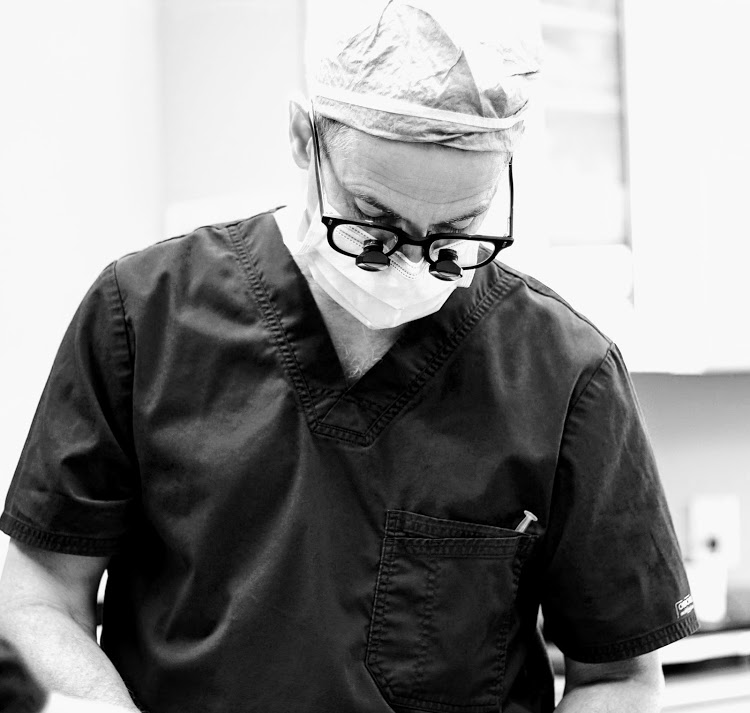
Dr. M. Ronan Conlon has practised ophthalmology in Saskatoon since 1994. He completed fellowship training in ocular pathology at Harvard University and in oculoplastic surgery at the University of Iowa. In 1996 he brought laser vision correction technology to Canada from Germany, and he specializes in oculoplastic surgery, LASIK, ASL (PRK) and refractive cataract surgery. With the establishment of the Conlon Eye Institute, Dr. Conlon has drawn on decades of experience in LASIK, RLE surgery, refractive cataract surgery, and oculoplastic surgery. He has also served as Head of Ophthalmology and Chief of Staff with the Saskatchewan Health Authority.
The information on this page should not be used in place of information provided by a doctor or specialist. To learn more, read our Privacy Policy and Editorial Policy pages.