
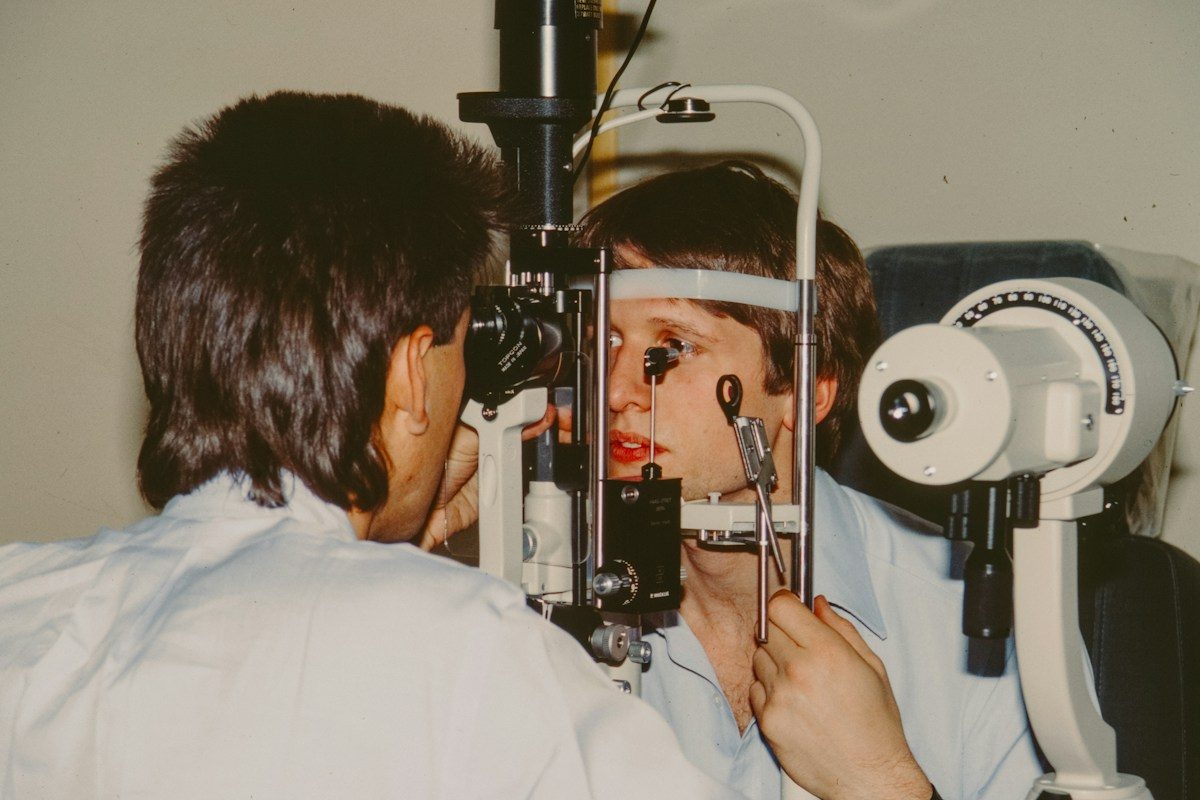
Illustrative stock photograph; not a CEI patient, treatment result or clinic equipment.
If your vision seems fine, it’s easy to put off an eye exam. But many eye diseases, including glaucoma and diabetic eye disease, often have no symptoms until they’re quite advanced. A regular eye exam is one of the best ways to catch problems early, when treatment can do the most to protect your sight.
So how often should you go? It depends on your age, your health and your family history. Here’s a simple guide based on recommendations from the American Academy of Ophthalmology.
Key Takeaways
- Adults without symptoms or risk factors should have a baseline eye exam by age 40.
- After that, exams are recommended more often as you get older, every 1 to 2 years from age 65.
- If you have symptoms or risk factors, such as diabetes, high blood pressure or a family history of eye disease, don’t wait. Your eye doctor will set a schedule for you.
- Sudden vision changes, eye pain or an eye injury need prompt care, not a routine appointment.
Why Eye Exams Matter Even When You See Well
A comprehensive eye exam checks much more than whether you need glasses. It looks at the health of the whole eye, including the optic nerve, retina and pressure inside the eye.
Many eye conditions start quietly. Glaucoma, for example, can damage the optic nerve slowly without early symptoms. Diabetic eye disease can be present before vision changes. Catching these conditions early gives the best chance of protecting your vision.
Recommended Schedule for Adults Without Symptoms or Risk Factors
The American Academy of Ophthalmology recommends the following for adults with no eye symptoms and no risk factors for eye disease:
| Age | How often |
|---|---|
| Under 40 | Every 5 to 10 years |
| 40 to 54 | Every 2 to 4 years |
| 55 to 64 | Every 1 to 3 years |
| 65 and older | Every 1 to 2 years |
Your eye doctor may recommend a different schedule based on what they find.
Why Age 40 Matters
The AAO recommends a baseline eye disease screening by age 40, even if your vision is fine. This is the age when early signs of eye disease and changes in vision often begin. It’s also around the time many people notice they need help reading up close.
A baseline exam gives your eye doctor a picture of your eye health to compare with future exams, so changes are easier to spot.
Illustrative stock photograph; not a CEI patient, treatment result or clinic equipment.
Who Needs Exams More Often?
If you have symptoms or risk factors for eye disease, see an eye care professional now rather than waiting for a milestone age. They’ll tell you how often to come back. Risk factors include:
- Diabetes. People with diabetes need regular eye exams to check for diabetic eye disease.
- High blood pressure
- A family history of eye disease, such as glaucoma
- Other glaucoma risk factors, such as older age and Black or Hispanic/Latino heritage
- An existing eye condition that you’re already being followed for
- Medicines that can affect the eyes, such as hydroxychloroquine (Plaquenil)
If you already see an ophthalmologist for an ongoing condition, keep following their schedule. Keep your regular appointments for glasses or contact lenses as well.
Signs You Shouldn’t Wait
Book an eye exam soon if you notice:
- Blurry vision or a change in how well you see
- New floaters or flashes of light
- Eye discomfort that doesn’t go away
Seek urgent care for sudden vision loss, a curtain or shadow over your vision, a painful red eye, or an eye injury or chemical splash. After hours, our office voicemail directs callers to Saskatoon City Hospital at 306-655-8000 to ask for the ophthalmologist on call, or you can go directly to the nearest emergency department. In an emergency, you do not need to call us first.
What Happens at a Comprehensive Eye Exam?
A full eye exam may include:
- Checking how clearly you see at distance and up close
- Measuring your glasses prescription
- Checking eye pressure
- Examining the front of the eye with a slit lamp
- Dilating your pupils to look at the retina and optic nerve
- Imaging, such as OCT scans, if needed
Bring your glasses, contact lens details, a list of your medicines and any eye history in your family.
Frequently Asked Questions
I’m 35 with perfect vision. Do I need an eye exam?
The AAO recommends an eye exam every 5 to 10 years before 40 for people without symptoms or risk factors, and a baseline exam by 40.
Is a vision check for glasses the same as an eye exam?
Not always. A comprehensive eye exam also checks the health of your eyes, including the retina, optic nerve and eye pressure.
I have diabetes. How often should I be checked?
Your eye doctor will set your schedule based on your eyes and your diabetes. Many people with diabetes need exams at least yearly.
Do children need regular eye checks?
Yes. Children should have vision checks during routine health visits, and a full exam if there are concerns.
Book Your Consultation
If you’re due for an eye health check or have a condition that needs follow-up, our ophthalmologists can help. Book your consultation: call our Saskatoon office at 306-244-4111, Monday to Friday, 7 am to 4 pm. Conlon Eye Institute is in the Medical Arts Building, 341-750 Spadina Crescent East, Saskatoon, SK S7K 3H3.
References
- American Academy of Ophthalmology. Get an Eye Disease Screening by Age 40. https://www.aao.org/eye-health/tips-prevention/screening — supports screening every 5–10 years before 40 without risk factors, baseline screening by 40 when early signs of disease and vision changes often begin, comparison with future exams, people with symptoms or risk factors (diabetes, high blood pressure, family history) seeing an eye professional now with an individual schedule, and continuing existing ophthalmology and glasses/contact lens appointments.
- American Academy of Ophthalmology. Comprehensive Adult Medical Eye Evaluation Preferred Practice Pattern (2025). https://www.aao.org/education/clinical-statement/comprehensive-adult-medical-eye-evaluation-ppp — supports the age-based schedule (under 40 every 5–10 years; 40–54 every 2–4; 55–64 every 1–3; 65+ every 1–2) and more frequent exams for glaucoma risk factors (diabetes, older age, family history, Black race, Latino/Hispanic ethnicity).
- American Academy of Ophthalmology. Frequency of Ocular Examination. https://www.aao.org/education/clinical-statement/frequency-of-ocular-examination — supports prompt exams for ocular symptoms, periodic exams for people at risk from diabetes, hypertension or family history, regular childhood vision assessment, and yearly exams for people with diabetes after the recommended starting point.
- American Academy of Ophthalmology. What Is Plaquenil? https://www.aao.org/eye-health/drugs/what-is-plaquenil — supports regular ophthalmologist exams for people taking hydroxychloroquine (Plaquenil).
- American Academy of Ophthalmology. Get a Baseline Eye Exam at Age 40. https://www.aao.org/eye-health/news/baseline-eye-exam-age-40 — supports that eye diseases such as glaucoma and diabetic retinopathy often have no recognizable symptoms until advanced.
About the Author
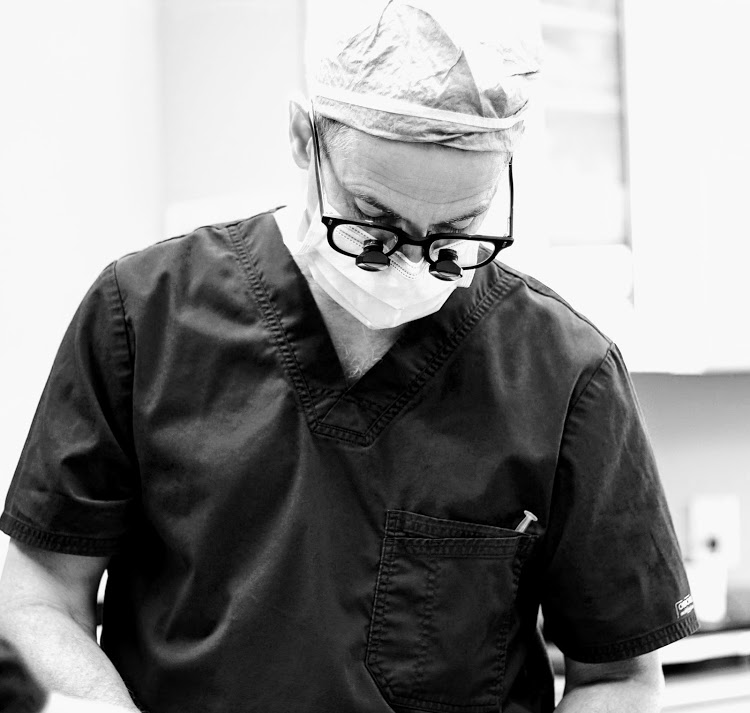
Dr. M. Ronan Conlon has practised ophthalmology in Saskatoon since 1994. He completed fellowship training in ocular pathology at Harvard University and in oculoplastic surgery at the University of Iowa. In 1996 he brought laser vision correction technology to Canada from Germany, and he specializes in oculoplastic surgery, LASIK, ASL (PRK) and refractive cataract surgery. With the establishment of the Conlon Eye Institute, Dr. Conlon has drawn on decades of experience in LASIK, RLE surgery, refractive cataract surgery, and oculoplastic surgery. He has also served as Head of Ophthalmology and Chief of Staff with the Saskatchewan Health Authority.
The information on this page should not be used in place of information provided by a doctor or specialist. To learn more, read our Privacy Policy and Editorial Policy pages.