Illustrative stock photograph; not a CEI patient, treatment result or clinic equipment.
February on the prairies brings some of the brightest days of the year. The sun climbs a little higher, the sky is often a deep, clear blue, and fresh snow sparkles in every direction. It’s a great time to get outside, whether that means skiing, tobogganing with the kids, snowmobiling or spending a Saturday on the ice.
But all that brightness has a downside. Snow reflects ultraviolet (UV) light back up toward your eyes, and a long day outside without proper protection can give your eyes a sunburn. This is called snow blindness. Here’s how it happens, what to do if it happens to you, and how to choose eyewear that keeps your eyes safe.
Key Takeaways
- Snow blindness (photokeratitis) is a sunburn of the cornea, the clear front surface of the eye. It’s caused by UV light, often reflected off snow, ice or water.
- Symptoms usually start several hours after sun exposure and include pain, a gritty feeling, redness, tearing and light sensitivity. Most cases heal on their own within a few days.
- Prevent it with sunglasses or goggles labelled UV400 or 100% UV protection. Wraparound styles give the best coverage.
What Is Snow Blindness?
Snow blindness, or photokeratitis, is a painful but usually temporary burn of the cornea. It’s a lot like a sunburn on your skin, except it affects the surface of your eye.
UV light comes from the sun on cloudy days as well as clear ones. Fresh snow reflects a large share of that UV light, so your eyes get hit from above and below. Ice and open water reflect UV too. Spending time at higher altitude, like on a mountain ski trip, adds to the risk because UV levels are stronger there.
Snow blindness is usually short-lived, but repeated, unprotected UV exposure over many years is linked to other eye problems. These include cataracts and growths on the surface of the eye, such as pterygium. Good protection now pays off later.
Who’s at Risk?
Anyone who spends long hours outside on bright snow can get snow blindness. Common situations include:
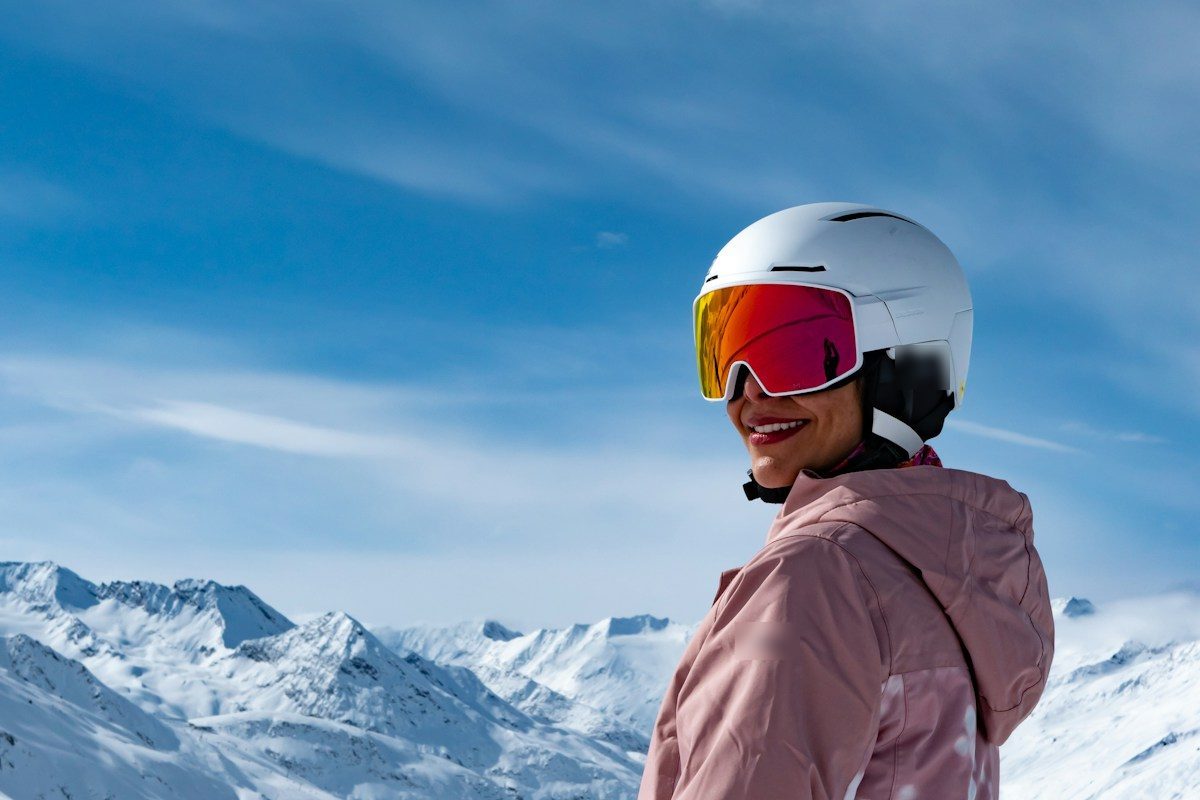
- Downhill and cross-country skiing, and snowboarding
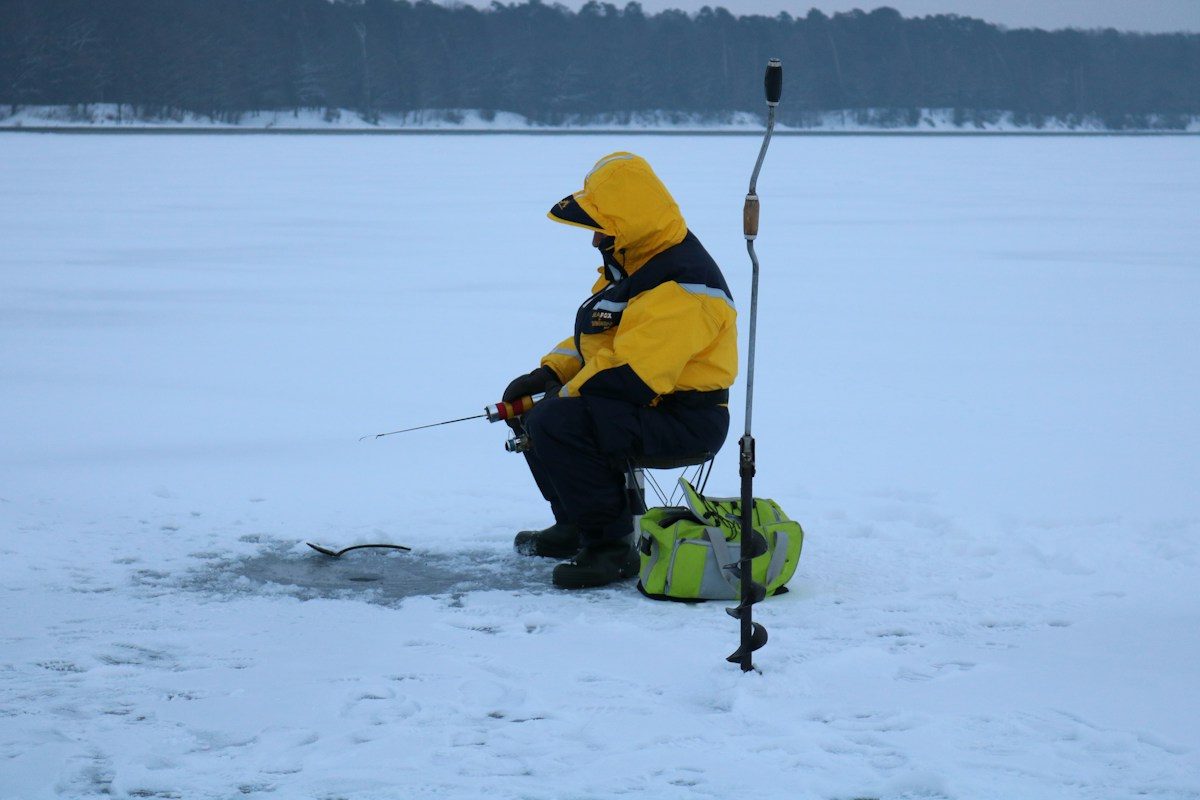
- Ice fishing on a sunny day
- Snowmobiling and winter hiking
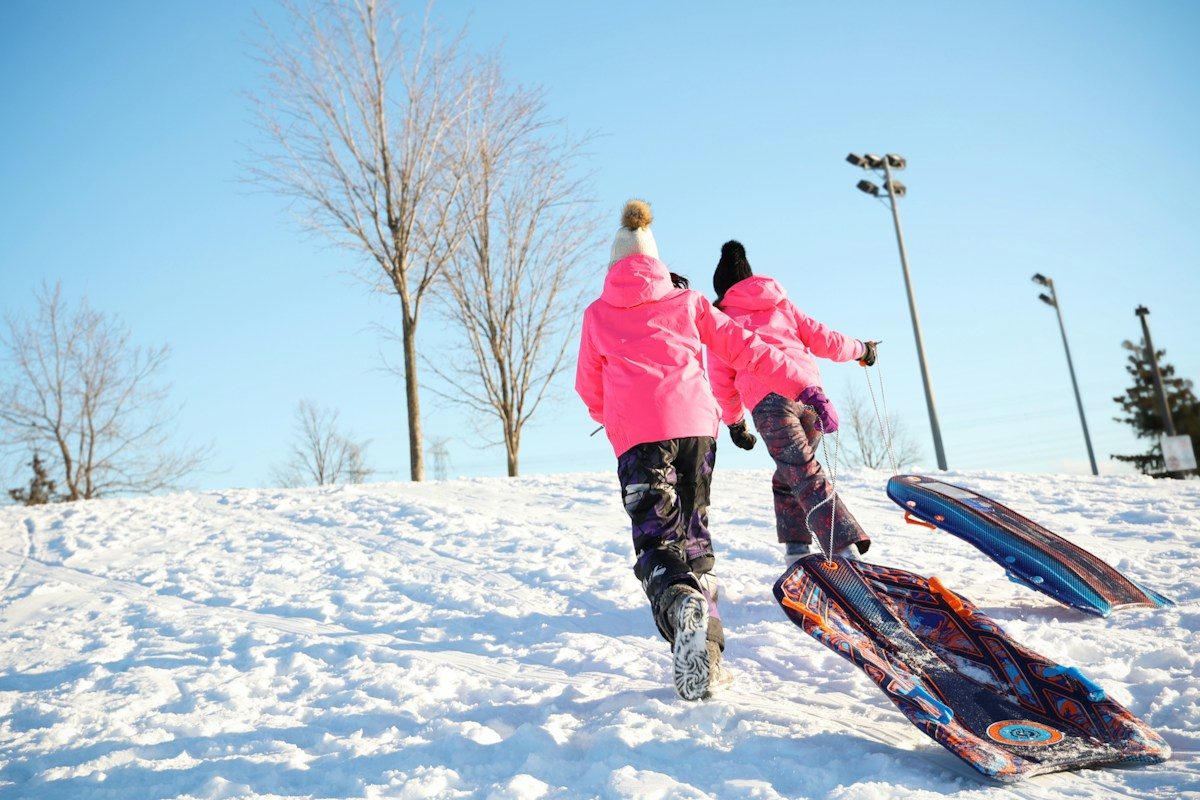
- Tobogganing and outdoor skating
- Working outdoors in winter, such as farming, construction or clearing snow
Children are especially vulnerable. They spend lots of time outside, and they’re less likely to keep sunglasses on.
Symptoms of Snow Blindness
Like a skin sunburn, snow blindness often doesn’t show up until hours later. You may feel fine on the ice and then wake up that night with sore eyes. Symptoms can include:
- Eye pain or burning
- A gritty feeling, as if there’s sand in your eyes
- Redness and watering
- Sensitivity to light
- Blurry vision
- Swollen eyelids
- Twitching or trouble keeping your eyes open
What to Do If You Have Snow Blindness
Most cases of snow blindness heal on their own within a few days as the surface of the cornea repairs itself. In the meantime, these steps can help you feel more comfortable:
- Get out of the sun and rest your eyes in a dim room.
- Take out contact lenses, and leave them out until your eyes feel normal again.
- Place a cool, damp cloth over your closed eyes.
- Use preservative-free artificial tears to soothe the surface of the eye.
- Don’t rub your eyes. Rubbing can scratch the healing cornea.
- Wear sunglasses when you go outside again while your eyes heal.
When to See a Doctor
See your optometrist or an eye doctor if:
- The pain is severe
- Your symptoms aren’t getting better after a day or so
- Your vision doesn’t return to normal
- You’re not sure whether something else, like a scratch or a foreign object, is causing the pain
Don’t use numbing eye drops at home, even if they’re offered. They can slow healing and hide other problems.
For severe pain or sudden vision loss, seek urgent care. After hours, our office voicemail directs callers to Saskatoon City Hospital at 306-655-8000 to ask for the ophthalmologist on call, or you can go directly to the nearest emergency department. In an emergency, you do not need to call us first.
How to Choose Winter Eye Protection
Look for UV400 or 100% UV Protection
Not all sunglasses block UV. Check the label for “UV400” or “100% UV protection.” Darker lenses don’t automatically mean more UV protection. Dark lenses without UV protection can even be worse, because your pupils open wider behind them and let in more UV.
Choose Wraparound Styles or Goggles
Reflected light from snow comes in from the sides and below. Wraparound sunglasses and ski goggles block more of it than small, flat lenses do.
Consider Polarized Lenses
Polarized lenses cut glare from snow and ice, which makes bright days more comfortable. Polarization on its own isn’t the same as UV protection, so make sure the lenses are also UV-blocking.
Add a Wide Brim or Visor
A toque doesn’t shade your eyes, but a visor or brim under your hood can help, especially when ice fishing.
Tips for Protecting Kids’ Eyes
- Choose kids’ sunglasses or goggles that are labelled UV400 or 100% UV protection.
- Look for sturdy, flexible frames and an adjustable strap so they stay on.
- Pack a spare pair for longer days outside.
- Add a brimmed hat or helmet visor when you can.
- Remind kids never to look directly at the sun.
For more about how sun, wind and dust can affect the surface of the eye over time, see our post on pterygium and pinguecula.
Frequently Asked Questions
Can you get snow blindness on a cloudy day?
Yes. UV light passes through clouds, and snow still reflects it. Wear UV-blocking eyewear whenever you’re outside on snow for long periods, even when it’s overcast.
How long does snow blindness last?
Most cases heal within a few days. If your symptoms are severe or aren’t improving after a day or so, see an eye doctor.
Is snow blindness permanent?
Snow blindness itself is usually temporary. Repeated UV exposure over many years, though, is linked to cataracts and other eye problems, so protection matters every winter.
Are ski goggles better than sunglasses?
For skiing, snowboarding and snowmobiling, goggles are a great choice. They block light from the sides, protect against wind and stay on when you’re moving. For walking or ice fishing, wraparound UV400 sunglasses work well.
Book Your Consultation
If your eyes stay painful or blurry after a day in the snow, get them checked promptly. For other questions about protecting your eyes from UV, our team can help. Book your consultation: call our Saskatoon office at 306-244-4111, Monday to Friday, 7 am to 4 pm. Conlon Eye Institute is in the Medical Arts Building, 341-750 Spadina Crescent East, Saskatoon, SK S7K 3H3.
References
- American Academy of Ophthalmology. Photokeratitis (Snow Blindness). https://www.aao.org/eye-health/diseases/photokeratitis-snow-blindness — supports definition, reflection from snow/ice/water, symptoms, temporary nature, and self-care.
- American Academy of Ophthalmology. The Sun, UV Light and Your Eyes. https://www.aao.org/eye-health/tips-prevention/sun — supports UV400/100% UV sunglasses, wraparound styles, hats, clouds not blocking UV, and long-term risks such as cataracts.
About the Author

Dr. M. Ronan Conlon has practised ophthalmology in Saskatoon since 1994. He completed fellowship training in ocular pathology at Harvard University and in oculoplastic surgery at the University of Iowa. In 1996 he brought laser vision correction technology to Canada from Germany, and he specializes in oculoplastic surgery, LASIK, ASL (PRK) and refractive cataract surgery. With the establishment of the Conlon Eye Institute, Dr. Conlon has drawn on decades of experience in LASIK, RLE surgery, refractive cataract surgery, and oculoplastic surgery. He has also served as Head of Ophthalmology and Chief of Staff with the Saskatchewan Health Authority.
The information on this page should not be used in place of information provided by a doctor or specialist. To learn more, read our Privacy Policy and Editorial Policy pages.