

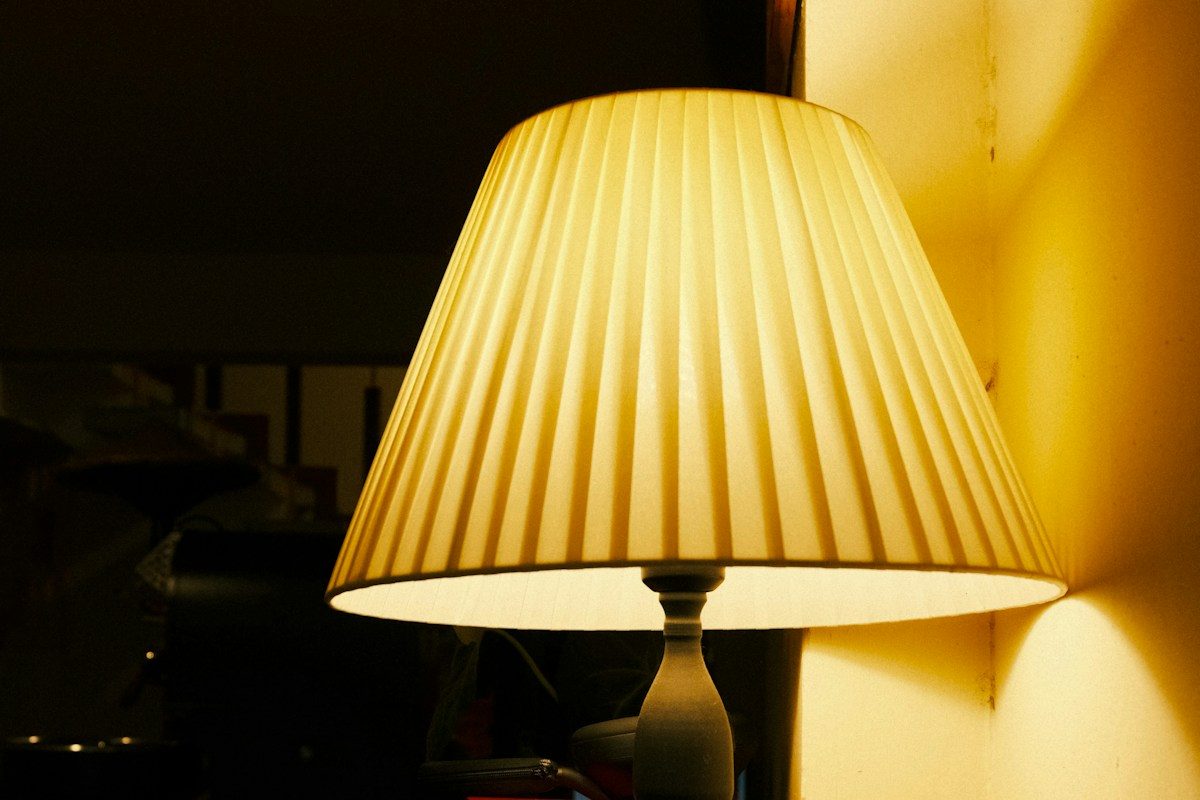
Illustrative stock photograph; not a CEI patient, treatment result or clinic equipment.
Age-related macular degeneration (AMD) affects the macula, the small central part of the retina that handles sharp, detailed vision. It doesn’t cause complete blindness. Side vision usually stays, but central vision can become blurry, distorted or patchy. That can make reading, recognizing faces and other everyday tasks harder.
When vision loss can’t be fully treated, there’s still a great deal you can do to stay independent and keep doing what you enjoy. This is often called low-vision care. Here’s a practical guide to tools, home changes and support available to people in Saskatoon and across Saskatchewan.
Key Takeaways
- Low vision from macular degeneration affects central vision, but there are many ways to make the most of the vision you have.
- Good lighting, high contrast and magnification are the three most helpful changes at home.
- Phones, tablets and computers have built-in features that enlarge text, read aloud and respond to your voice.
- Support is available. Ask your eye doctor or optometrist about a low-vision assessment and organizations such as CNIB.
- Keep up your regular eye care. Some forms of AMD can be treated, and any sudden change in your vision needs a prompt check.
Make the Most of Your Vision at Home
Light It Up
Good light is one of the simplest, most useful changes you can make. People with macular degeneration often need much more light than they used to.
- Use bright, even lighting in every room, especially kitchens, stairs and bathrooms.
- Add an adjustable task lamp for reading, cooking and hobbies. Position it to light your work, not shine in your eyes.
- Reduce glare with blinds or sheer curtains, and choose matte surfaces where you can.
- Add night lights in hallways and bathrooms.
Boost Contrast
Contrast makes things easier to see. A few ideas:
- Use dark plates for light-coloured food, and light plates for dark food.
- Mark the edges of steps with bright tape.
- Choose a light switch plate that stands out from the wall.
- Write with a thick black felt pen on white paper.
Get Organized
Keep things in the same place, so you always know where to find them. Mark appliance dials with raised dots, and use large-print labels for medications and pantry items.
Magnifiers and Other Low-Vision Aids
Magnifiers come in many forms, and the right one depends on what you want to do:
- Hand-held and stand magnifiers, many with built-in lights, for reading labels, mail and recipes.
- Electronic magnifiers, which use a camera and screen to enlarge text and boost contrast.
- Reading glasses with stronger lenses or special telescopic glasses for certain tasks.
- Large-print books, clocks, phones and playing cards.
Low-vision aids work best when they’re chosen for you. A low-vision assessment looks at how you use your vision and recommends tools that suit your goals.
Use Technology to Your Advantage
Smartphones, tablets and computers have built-in accessibility features that can make a big difference:
- Text size and zoom to enlarge everything on the screen.
- Screen readers that read text aloud.
- Voice assistants for calls, messages, reminders and questions.
- Magnifier apps that use the camera to enlarge labels, menus and price tags.
- High-contrast and dark modes to make text stand out.
Audiobooks and accessible-format books are also available. Ask at your local public library, including about the Centre for Equitable Library Access (CELA), which provides accessible reading formats through Canadian public libraries.

Support in Saskatchewan
You don’t have to manage vision loss alone. Some places to start:
- CNIB. CNIB programs are free and available to Canadians who are blind or partially sighted, as well as their families and caregivers.
- Your eye care team. Ask your optometrist or ophthalmologist whether a low-vision assessment or vision rehabilitation could help you.
- Your health care team. Ask about programs that may help with the cost of certain aids or equipment.
Staying Safe and Independent
- Driving. Macular degeneration can affect whether you meet the vision standards for driving. Ask your eye doctor if you’re unsure, and be honest with yourself about night driving.
- Getting around. Orientation and mobility training can help you move safely, at home and outside.
- Falls. Clear clutter, secure loose rugs and add handrails where needed.
- Mood. Vision loss can be hard emotionally. Talk to your family doctor if you feel low, and consider a peer support group.
Seeing Things That Aren’t There?
Some people with significant vision loss see patterns, shapes or even people that aren’t really there. This is called Charles Bonnet syndrome. It’s the brain’s response to vision loss, not a sign of mental illness. It’s more common than many people realize. If it happens to you, tell your eye doctor.
Keep Up Your Eye Care
Low-vision care works alongside medical care, not instead of it. Some people with AMD have the “wet” form, which is treated with eye injections to help protect vision. At Conlon Eye Institute, the injection medicine we use is bevacizumab (Avastin), used off-label; your ophthalmologist will explain whether treatment suits your eyes. Keep your regular appointments, and monitor your vision at home with an Amsler grid if your eye doctor has given you one. If your vision suddenly gets worse or straight lines look wavy, don’t wait for your next appointment. After hours, our office voicemail directs callers to Saskatoon City Hospital at 306-655-8000 to ask for the ophthalmologist on call, or you can go directly to the nearest emergency department. In an emergency, you do not need to call us first.
Frequently Asked Questions
Will macular degeneration make me blind?
AMD rarely causes complete blindness. It affects central vision, but side vision usually remains. Many people continue to live independently with the help of low-vision aids.
Do new glasses help with macular degeneration?
Glasses can’t fix damage to the macula, but an updated prescription and specialized low-vision glasses or magnifiers can help you make the most of your remaining vision.
What’s a low-vision assessment?
It’s an appointment focused on how you use your vision day to day. It looks at your goals and recommends tools, lighting and techniques to help.
Can I still read with macular degeneration?
Many people can, with the right magnifier, good light and large print. Audiobooks and screen readers are great options too.
Book Your Consultation
If you have macular degeneration and want to talk about treatment, monitoring or support, our ophthalmologists can help. Book your consultation: call our Saskatoon office at 306-244-4111, Monday to Friday, 7 am to 4 pm. Conlon Eye Institute is in the Medical Arts Building, 341-750 Spadina Crescent East, Saskatoon, SK S7K 3H3.
References
- National Eye Institute. Low Vision. https://www.nei.nih.gov/learn-about-eye-health/eye-conditions-and-diseases/low-vision — supports brighter lighting, anti-glare sunglasses, magnifiers, contrast and device settings, and vision rehabilitation.
- American Academy of Ophthalmology. Low Vision. https://www.aao.org/eye-health/diseases/low-vision — supports low-vision definition, magnifiers, large print and help with daily activities.
- CNIB. Programs and Services. https://www.cnib.ca/en/programs-and-services — supports free CNIB programs for Canadians who are blind or partially sighted and their families.
About the Author
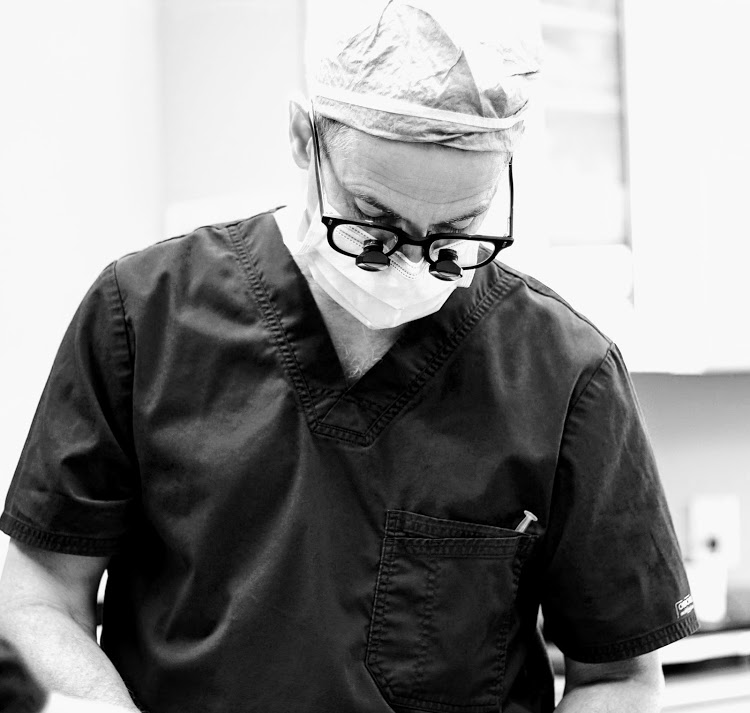
Dr. M. Ronan Conlon has practised ophthalmology in Saskatoon since 1994. He completed fellowship training in ocular pathology at Harvard University and in oculoplastic surgery at the University of Iowa. In 1996 he brought laser vision correction technology to Canada from Germany, and he specializes in oculoplastic surgery, LASIK, ASL (PRK) and refractive cataract surgery. With the establishment of the Conlon Eye Institute, Dr. Conlon has drawn on decades of experience in LASIK, RLE surgery, refractive cataract surgery, and oculoplastic surgery. He has also served as Head of Ophthalmology and Chief of Staff with the Saskatchewan Health Authority.
The information on this page should not be used in place of information provided by a doctor or specialist. To learn more, read our Privacy Policy and Editorial Policy pages.