

Illustrative stock photograph; not a CEI patient, treatment result or clinic equipment.
November is Diabetes Awareness Month, a good time to talk about how diabetes affects the eyes. Most people know that diabetes can harm the retina. Fewer know that it also makes cataracts more likely, and often earlier in life.
The good news is that cataract surgery is very successful for people with diabetes. It does take a little extra planning. Here’s why cataracts are more common with diabetes, what we check before surgery, what to expect on the day, and how to give your eyes the best chance of a smooth recovery.
Key Takeaways
- People with diabetes tend to develop cataracts earlier, and they may progress faster.
- Before surgery, your retina should be checked carefully. Any swelling in the macula, called diabetic macular edema, is usually treated first.
- Steady blood sugar, using your drops exactly as prescribed and keeping every follow-up appointment all help your recovery.
Why Diabetes Raises the Risk of Cataracts
Your eye’s natural lens sits behind the iris and focuses light onto the retina. Over time, it becomes cloudy. That’s a cataract. High blood sugar can speed up the changes that cloud the lens. As a result, people with diabetes often develop cataracts at a younger age than people without diabetes, and they can progress more quickly.
Diabetes can also make your vision fluctuate. When blood sugar is high, the lens can swell slightly, and your vision may blur for a while. This can be confusing, because it may feel like a cataract even when it isn’t. It’s one reason regular eye exams matter so much.
Before Surgery: Planning Ahead
Getting Your Blood Sugar Steady
Well-controlled blood sugar helps in two ways. It supports healing, and it makes the measurements we take before surgery more reliable. Those measurements help choose the power of your new lens. If your blood sugar has been swinging widely, your vision and measurements can shift too. Work with your family doctor or diabetes team to keep your sugars as stable as you can in the weeks before your measurements and surgery.
Checking the Retina
Before cataract surgery, we’ll look closely at your retina and take an OCT scan, a quick, painless scan that shows any swelling in the macula. The macula is the part of the retina responsible for sharp, central vision.
If there’s diabetic macular edema, it’s usually treated first, often with injections of anti-VEGF medication. Surgery can sometimes make existing swelling or diabetic retinopathy worse, so getting the retina stable first helps protect your vision. For more on these treatments, see our post on diabetic retinopathy and anti-VEGF injections.

Choosing a Lens
We’ll talk about your lens options. Some premium IOLs, such as multifocal lenses, may not be the best fit if you have diabetic retinopathy or macular swelling, because they work best in an otherwise healthy eye. We’ll recommend the lens that suits your eyes and your goals.
On the Day of Surgery
Cataract surgery is a day procedure, usually done one eye at a time. Standard cataract surgery is performed at Prairieview in Saskatoon; refractive cataract surgery is done only at Conlon Eye Institute. A few tips for people with diabetes:
- Follow the instructions you’re given. You’ll receive specific advice about insulin, diabetes pills and eating beforehand. If anything is unclear, ask before your surgery day rather than guessing.
- Bring your glucose meter and a snack for after surgery.
- Tell the team if you feel low or unwell at any point.
- Bring a list of your medications, including any blood thinners.
After Surgery: Recovery
Most people with diabetes recover well from cataract surgery. A few extra points help.
Use Your Drops Exactly as Prescribed
You’ll use antibiotic and anti-inflammatory drops for several weeks after surgery. People with diabetes have a higher risk of swelling in the macula after cataract surgery, so your eye doctor may add an extra anti-inflammatory drop. Using every drop as prescribed matters.
Keep Every Follow-Up Visit
Follow-up visits let us check that your eye is healing well and catch any swelling or retinopathy changes early. If you’re also being treated for diabetic eye disease, we’ll coordinate that care.
Watch for Warning Signs
Seek care right away if you notice:
- Worsening pain
- Increasing redness
- Vision that gets worse instead of better
- New flashes, floaters or a curtain over your vision
After hours, our office voicemail directs callers to Saskatoon City Hospital at 306-655-8000 to ask for the ophthalmologist on call, or you can go directly to the nearest emergency department. In an emergency, you do not need to call us first.

Keep Up Your Yearly Diabetic Eye Exams
Cataract surgery fixes the cloudy lens, but it doesn’t change your risk of diabetic retinopathy. Keep up your regular diabetic eye exams with your optometrist for life. Our post on eye care tips for people with diabetes has more ideas for protecting your eyes.
What If Vision Gets Cloudy Again Later?
Months or years after cataract surgery, some people notice their vision becoming hazy again. This is usually posterior capsule opacification, a clouding of the thin capsule that holds the new lens. It’s common and easily treated with a quick YAG laser procedure in the office, which we perform often at our Saskatoon clinic.
Frequently Asked Questions
Can I have cataract surgery if I have diabetes?
Yes. Cataract surgery is very common and very successful in people with diabetes. It just needs careful planning, especially around your blood sugar and the health of your retina.
Does my blood sugar need to be at a certain level?
Your surgeon and family doctor will look at your overall diabetes control. The aim is steady, well-managed blood sugar. If it’s very high or unstable, surgery may be delayed until it’s better controlled.
Will cataract surgery make my diabetic retinopathy worse?
It can in some cases, which is why we check and treat the retina before surgery and monitor it closely afterward.
How long is recovery?
Most people notice clearer vision within days. Full healing takes a few weeks. People with diabetes may need a little longer, and more follow-up visits.
Book Your Consultation
If you live with diabetes and your vision is getting cloudy, our team can help you plan safe, well-timed cataract care. Book your consultation: call our Saskatoon office at 306-244-4111, Monday to Friday, 7 am to 4 pm. Conlon Eye Institute is in the Medical Arts Building, 341-750 Spadina Crescent East, Saskatoon, SK S7K 3H3.
References
- Canadian Ophthalmological Society. Evidence-based clinical practice guidelines for cataract surgery in the adult eye. https://www.canadianjournalofophthalmology.ca/article/S0008-4182(08)80001-4/pdf — supports documenting the retina before surgery, treating significant macular edema or proliferative retinopathy beforehand, and that surgery can cause retinopathy progression.
- Sharma et al. Intraocular lens selection in diabetic patients. https://pmc.ncbi.nlm.nih.gov/articles/PMC11229963/ — supports higher cataract incidence in diabetes, macular edema risk, and careful evaluation of premium lenses with advanced retinopathy.
- Fighting Blindness Canada. Cataracts. https://www.fightingblindness.ca/eyehealth/eye-diseases/cataracts-2/ — supports diabetes as a cataract risk factor and outpatient surgery.
About the Author
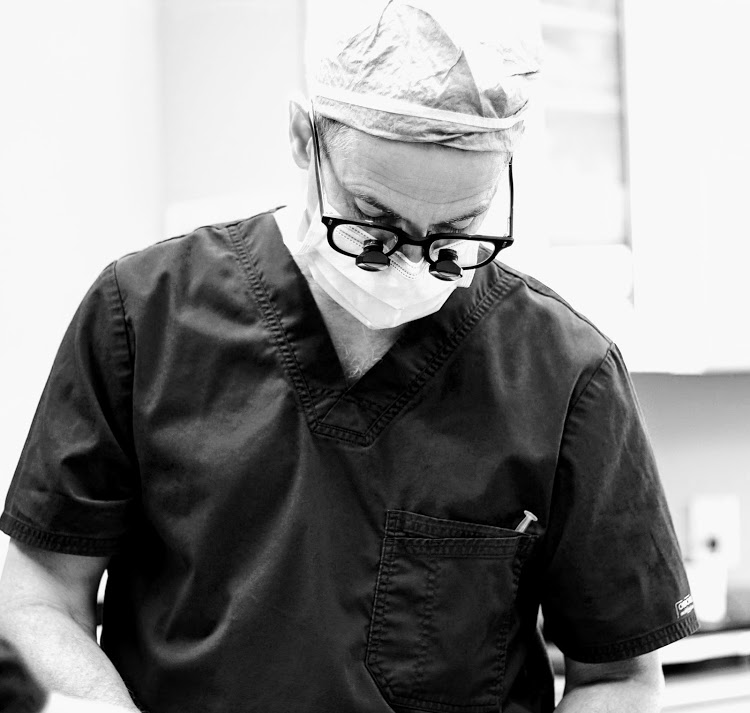
Dr. M. Ronan Conlon has practised ophthalmology in Saskatoon since 1994. He completed fellowship training in ocular pathology at Harvard University and in oculoplastic surgery at the University of Iowa. In 1996 he brought laser vision correction technology to Canada from Germany, and he specializes in oculoplastic surgery, LASIK, ASL (PRK) and refractive cataract surgery. With the establishment of the Conlon Eye Institute, Dr. Conlon has drawn on decades of experience in LASIK, RLE surgery, refractive cataract surgery, and oculoplastic surgery. He has also served as Head of Ophthalmology and Chief of Staff with the Saskatchewan Health Authority.
The information on this page should not be used in place of information provided by a doctor or specialist. To learn more, read our Privacy Policy and Editorial Policy pages.