
Illustrative stock photograph; not a CEI patient, treatment result or clinic equipment.
One of the first questions people ask when they hear they have a cataract is, “Is this covered?” It’s a fair question, and the answer is mostly good news. In Saskatchewan, medically necessary cataract surgery is an insured service. What isn’t covered are optional lens upgrades that can reduce your need for glasses after surgery.
This post explains what your provincial health coverage includes, what the upgrade options are, who tends to benefit from them, and how lens replacement (RLE) fits in. Our goal is to help you walk into your consultation in Saskatoon knowing what to ask.
Key Takeaways
- Standard cataract surgery with a monofocal lens is covered by Saskatchewan health coverage when it’s medically necessary.
- Upgraded lenses, such as toric lenses for astigmatism or multifocal and extended-range lenses, are optional and paid out of pocket.
- Lens replacement (RLE), which replaces a clear lens to reduce dependence on glasses, is elective and isn’t covered.
- You’ll get a clear explanation of your options and any costs before you decide. There’s never pressure to upgrade.
What Saskatchewan Coverage Includes
When a cataract is affecting your vision and daily life, surgery to remove it is considered medically necessary. Your provincial coverage pays for the surgery itself, a standard monofocal intraocular lens (IOL) and the standard testing needed to choose its strength. In Saskatoon, standard cataract surgery is performed at Prairieview.
A standard monofocal lens is an excellent lens. It’s set to focus at one distance, usually far away. Most people who choose it see very well for driving, walking and watching TV after surgery, and use glasses for reading and close work. Many also wear glasses for distance if they have significant astigmatism.
What the Upgrades Are
If you’d like to depend less on glasses after surgery, you can choose an upgraded lens or added technology. These are optional and you pay for them yourself.
Toric Lenses for Astigmatism
Astigmatism means the front of your eye is shaped more like a football than a basketball. A toric lens has astigmatism correction built in. If you have a meaningful amount of astigmatism, a toric lens can give you sharper distance vision without glasses than a standard lens would.
Multifocal and Extended-Range Lenses
These lenses are designed to give you a broader range of focus, so you can see at distance and at middle or near ranges with less need for glasses. They’re a good fit for many people, but not everyone. Some people notice halos or glare around lights at night, especially early on. These lenses also work best in an otherwise healthy eye, so they may not be recommended if you have macular degeneration, diabetic eye disease or certain other conditions.
Monovision with Standard or Toric Lenses
Another approach is monovision, where one eye is set for distance and the other for closer work. It doesn’t suit everyone, and it’s often worth trying with contact lenses first.

Refractive Cataract Surgery
Refractive cataract surgery combines cataract removal with an upgraded lens and extra planning aimed at reducing your need for glasses. At our clinic, refractive cataract surgery is done only at Conlon Eye Institute. Extra measurements may be needed for some upgraded lenses.
What Lens Upgrades Cost
Upgrade costs depend on the lens and technology you choose, and they’re charged per eye. Rather than quote a figure that may not apply to you, we’ll give you a written estimate at your consultation, once we know which options suit your eyes. That way the number you see is the number you’ll pay.
A few things to keep in mind:
- You only pay for what’s optional. The insured part of your cataract surgery stays insured whether or not you choose an upgrade.
- Ask what’s included. Find out whether the estimate includes any extra measurements, the follow-up visits and your drops.

Lens Replacement (RLE): A Different Situation
Lens replacement (RLE) is essentially the same operation as cataract surgery, but it’s done to reduce your dependence on glasses rather than to remove a cataract. Because it’s elective, it isn’t covered by provincial health coverage, and the full cost is paid by the patient.
Lens replacement (RLE) is usually considered for adults with presbyopia or strong prescriptions, or for people who aren’t good candidates for laser vision correction. Because the natural lens is replaced, a cataract can’t form in that eye later. A careful assessment decides whether it’s right for you.
How to Decide
The right choice depends on your eyes, your lifestyle and your budget. Questions worth thinking about before your consultation:
- How much do you mind wearing glasses for reading? For driving?
- Do you drive a lot at night?
- What do you do for work and hobbies? Lots of computer time, fine handwork, golf?
- Do you have any other eye conditions?
Frequently Asked Questions
Is cataract surgery covered in Saskatchewan?
Medically necessary cataract surgery with a standard lens is covered by provincial health coverage. Optional lens upgrades and added technology are paid out of pocket.
Do I have to choose an upgrade?
No. Upgrades are entirely optional. Many people are very happy with a standard lens and a pair of reading glasses.
Will my private insurance pay for an upgraded lens?
Some private or workplace plans may help with certain costs. Check with your plan provider before surgery.
Is RLE covered?
No. Because lens replacement (RLE) is elective, it isn’t covered by provincial health coverage.
Book Your Consultation
If you’d like to talk through your lens options, refractive cataract surgery or refractive lens exchange (RLE), we’ll give you a written estimate for any optional costs before you decide. Book your consultation: call our Saskatoon office at 306-244-4111, Monday to Friday, 7 am to 4 pm. Conlon Eye Institute is in the Medical Arts Building, 341-750 Spadina Crescent East, Saskatoon, SK S7K 3H3.
References
- Canadian Ophthalmological Society (See the Possibilities). Cataract surgery patient guide. https://www.seethepossibilities.ca/wp-content/uploads/2025/02/24245_STP_Cataracts2024_EN_REL_C00_00_.pdf — supports provincial coverage of standard lenses and standard testing, extra fees for premium lenses and tests, and lens types (toric, multifocal, extended range, monovision).
- Fighting Blindness Canada. Cataracts. https://www.fightingblindness.ca/eyehealth/eye-diseases/cataracts-2/ — supports that most provincial plans pay for a standard IOL while special lenses reduce dependence on glasses.
- Sharma et al. Intraocular lens selection in diabetic patients. https://pmc.ncbi.nlm.nih.gov/articles/PMC11229963/ — supports caution with premium lenses when the retina is affected.
About the Author
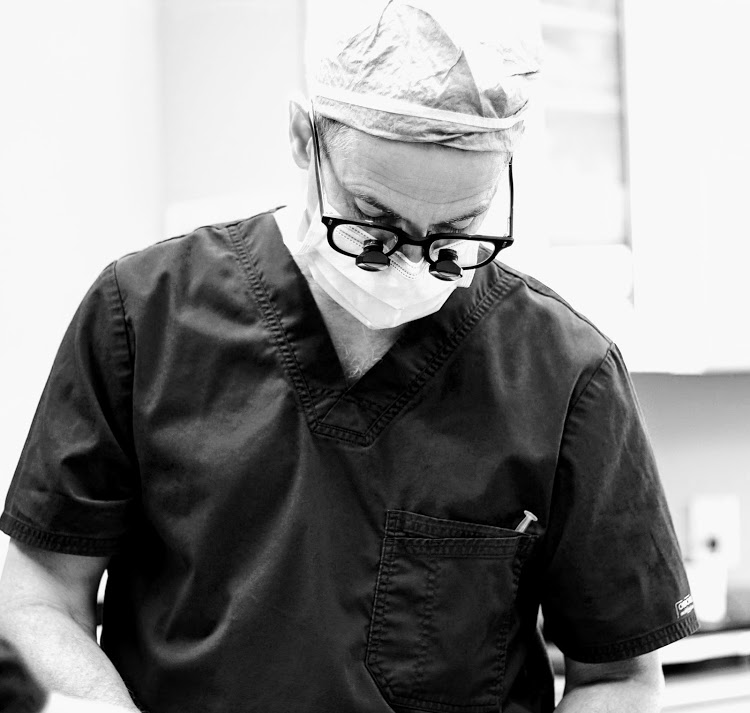
Dr. M. Ronan Conlon has practised ophthalmology in Saskatoon since 1994. He completed fellowship training in ocular pathology at Harvard University and in oculoplastic surgery at the University of Iowa. In 1996 he brought laser vision correction technology to Canada from Germany, and he specializes in oculoplastic surgery, LASIK, ASL (PRK) and refractive cataract surgery. With the establishment of the Conlon Eye Institute, Dr. Conlon has drawn on decades of experience in LASIK, RLE surgery, refractive cataract surgery, and oculoplastic surgery. He has also served as Head of Ophthalmology and Chief of Staff with the Saskatchewan Health Authority.
The information on this page should not be used in place of information provided by a doctor or specialist. To learn more, read our Privacy Policy and Editorial Policy pages.