
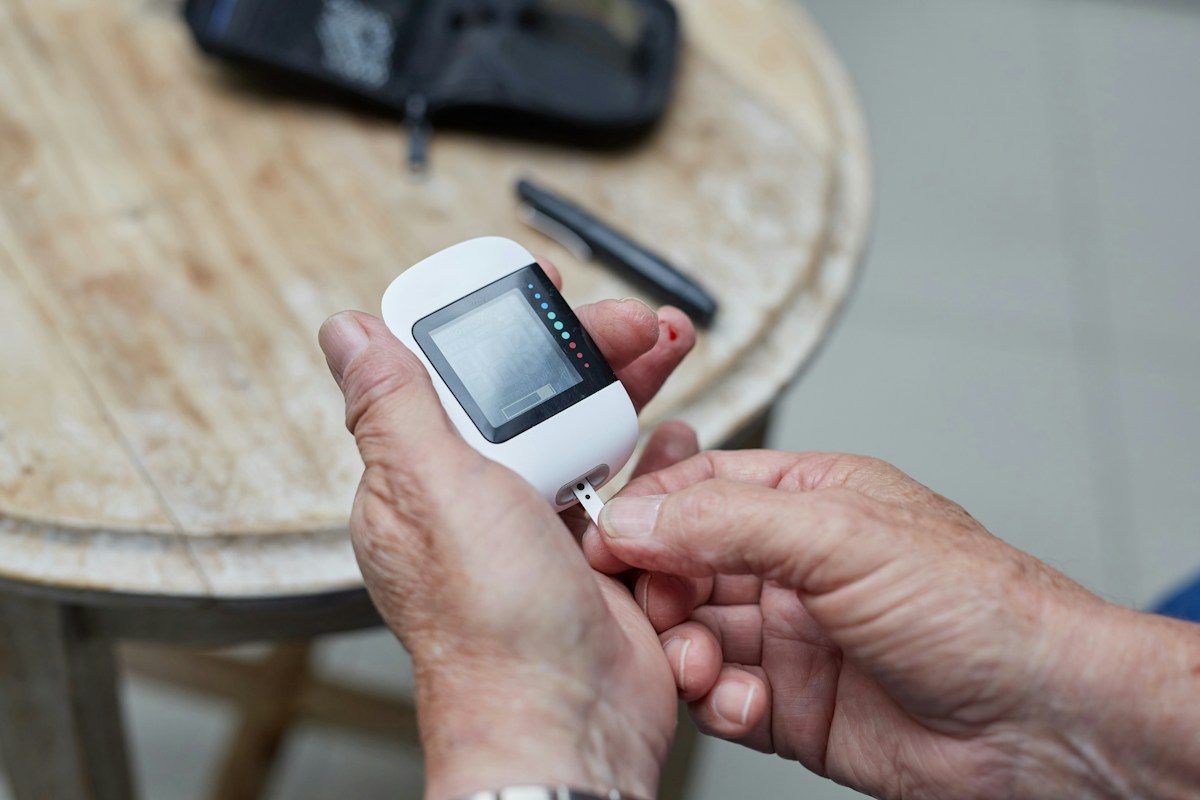
Illustrative stock photograph; not a CEI patient, treatment result or clinic equipment.
November is Diabetes Awareness Month in Canada, and World Diabetes Day falls on November 14. If you or someone in your family lives with diabetes, it’s a good time to think about your eyes.
Diabetic retinopathy is one of the most common eye complications of diabetes. In its early stages, it usually causes no symptoms at all, which is why regular eye exams matter so much. The encouraging news is that when it’s caught early, treatment can help protect your vision. Here’s what to know about the stages of retinopathy, yearly exams in Saskatchewan, and how anti-VEGF injections fit in.
Key Takeaways
- Diabetic retinopathy damages the small blood vessels in the retina and often has no symptoms until it’s advanced. A yearly diabetic eye exam is the best way to catch it early.
- In Saskatchewan, people with type 1 or type 2 diabetes are covered for an annual diabetic eye exam with an optometrist.
- Anti-VEGF injections are a common, effective treatment for diabetic macular edema and some advanced retinopathy. Good control of blood sugar, blood pressure and cholesterol supports every treatment.
What Is Diabetic Retinopathy?
The retina is the light-sensing layer at the back of your eye. It relies on a network of tiny blood vessels. Over time, high blood sugar can weaken and damage these vessels. They may leak fluid or blood, close off, or trigger the growth of fragile new vessels.
Anyone with type 1 or type 2 diabetes can develop retinopathy. The risk rises the longer you’ve had diabetes and when blood sugar, blood pressure or cholesterol are not well controlled. Pregnancy can also speed up changes, so people with diabetes who are pregnant or planning a pregnancy need closer eye monitoring.
The Stages of Diabetic Retinopathy
Non-Proliferative Diabetic Retinopathy
This is the earlier stage. Small bulges in vessel walls, tiny spots of bleeding and areas of leakage appear in the retina. It’s graded as mild, moderate or severe. Many people have no symptoms at this point.
Proliferative Diabetic Retinopathy
In the advanced stage, parts of the retina are starved of blood supply. In response, the eye grows new, abnormal blood vessels. These vessels are fragile and can bleed into the gel inside the eye, causing sudden floaters or cloudy vision. They can also form scar tissue that pulls on the retina and may lead to a retinal detachment.
Diabetic Macular Edema
Diabetic macular edema (DME) can happen at any stage. Fluid leaks into the macula, the small central part of the retina responsible for sharp detail vision. This causes blurry or distorted central vision and is a common reason people with diabetes lose vision.
Why Yearly Eye Exams Matter
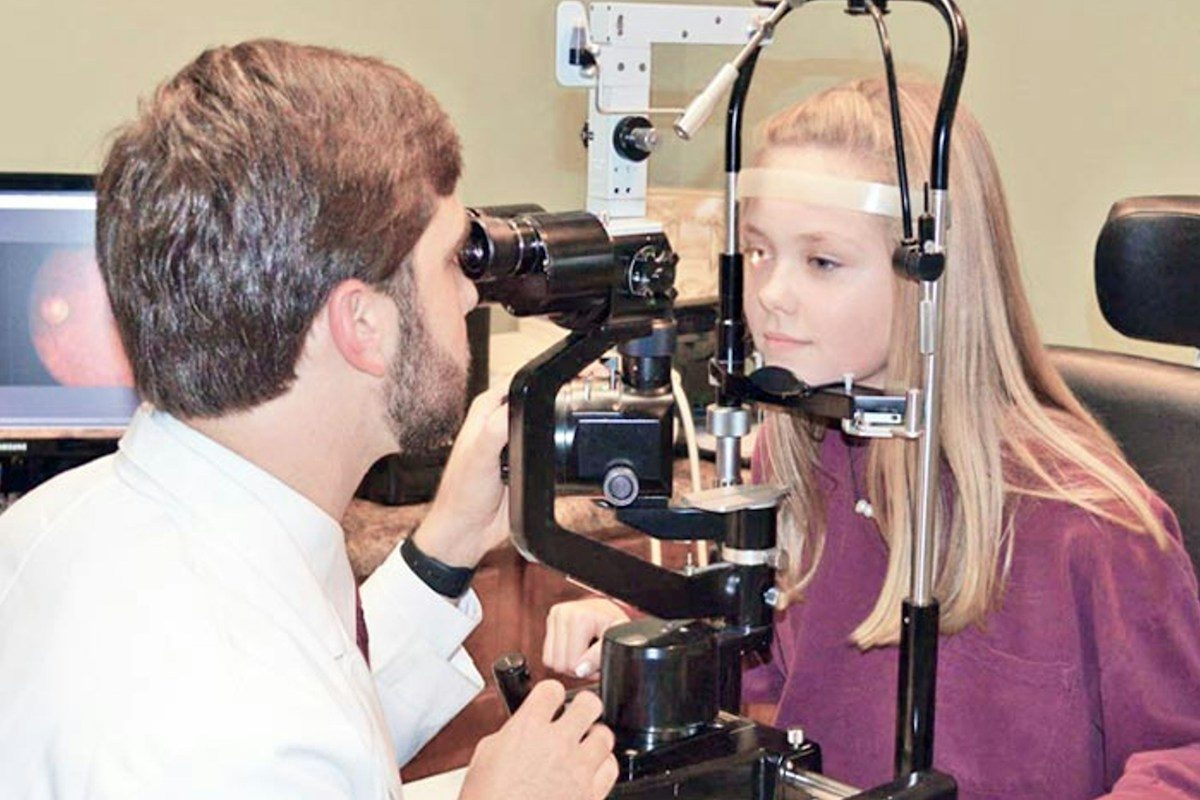
Because early retinopathy is silent, waiting for symptoms means waiting too long. A dilated eye exam lets your eye care provider see the retina directly and spot changes years before you notice them.
In Saskatchewan, everyone with a valid health card who has been diagnosed with type 1 or type 2 diabetes is eligible for an insured annual diabetic eye exam with an optometrist.
If an exam shows changes that need closer monitoring or treatment, an ophthalmologist may become part of your care.
How Anti-VEGF Injections Work
VEGF stands for vascular endothelial growth factor. It’s a protein that the eye produces when the retina isn’t getting enough oxygen. VEGF makes blood vessels leak and drives the growth of abnormal new vessels.
Anti-VEGF medicines block this protein. By doing so, they can reduce swelling in the macula, help vision stabilize and, for many people, improve it. They’re a mainstay of treatment for diabetic macular edema and are also used in some cases of proliferative retinopathy.
What to Expect During an Injection
Many people worry about an eye injection, but most find it easier than expected. The eye is numbed and cleaned first, and the medicine is given through the white of the eye with a very fine needle. Most people feel brief pressure. Afterward, the eye may feel gritty or look a little red for a day or two.
Other Treatments
Depending on your eyes, your ophthalmologist may also recommend laser treatment, steroid medicines placed in the eye, or surgery for bleeding or scar tissue. Many people need a combination over time.

Protecting Your Eyes Every Day
- Work with your health care team to keep blood sugar in your target range.
- Keep blood pressure and cholesterol under control.
- Don’t smoke.
- Keep every eye appointment, even when your vision seems fine.
- Report changes in vision promptly.
For more everyday tips, see our post on eye care tips for people with diabetes.
Frequently Asked Questions
Can diabetic retinopathy be reversed?
Some changes, especially macular swelling, can improve with treatment. Damage that has already caused scarring may be permanent, which is why early detection matters.
Do anti-VEGF injections hurt?
Most people feel only brief pressure. Numbing drops are used first.
How long will I need injections?
It varies. Some people need injections for a limited time, and others need ongoing treatment at longer intervals.
Is the diabetic eye exam covered in Saskatchewan?
Yes. People with type 1 or type 2 diabetes are eligible for an insured annual diabetic eye exam with an optometrist.
What symptoms should I watch for?
Blurry or distorted central vision, new floaters, dark patches or sudden vision loss. Seek care promptly if you notice any of these. After hours, our office voicemail directs callers to Saskatoon City Hospital at 306-655-8000 to ask for the ophthalmologist on call, or you can go directly to the nearest emergency department. In an emergency, you do not need to call us first.
Book Your Consultation
If you live with diabetes, book your yearly diabetic eye exam with your optometrist. If you have questions about diabetic retinopathy or treatment, our ophthalmologists can help. Book your consultation: call our Saskatoon office at 306-244-4111, Monday to Friday, 7 am to 4 pm. Conlon Eye Institute is in the Medical Arts Building, 341-750 Spadina Crescent East, Saskatoon, SK S7K 3H3.
References
- National Eye Institute. Diabetic Retinopathy. https://www.nei.nih.gov/learn-about-eye-health/eye-conditions-and-diseases/diabetic-retinopathy — supports early lack of symptoms, stages, macular edema, anti-VEGF medicines, laser and other treatments, and controlling blood sugar and blood pressure.
- Government of Saskatchewan. Partially Covered Services: Optometric services. https://www.saskatchewan.ca/residents/health/prescription-drug-plans-and-health-coverage/health-benefits-coverage/partially-covered-services — supports annual exam coverage for confirmed type 1 or type 2 diabetes.
- Saskatchewan Association of Optometrists. Eye Care Coverage. https://optometrists.sk.ca/eye-care-coverage/ — supports insured annual diabetic eye exam for health-card holders with type 1 or 2 diabetes.
About the Author
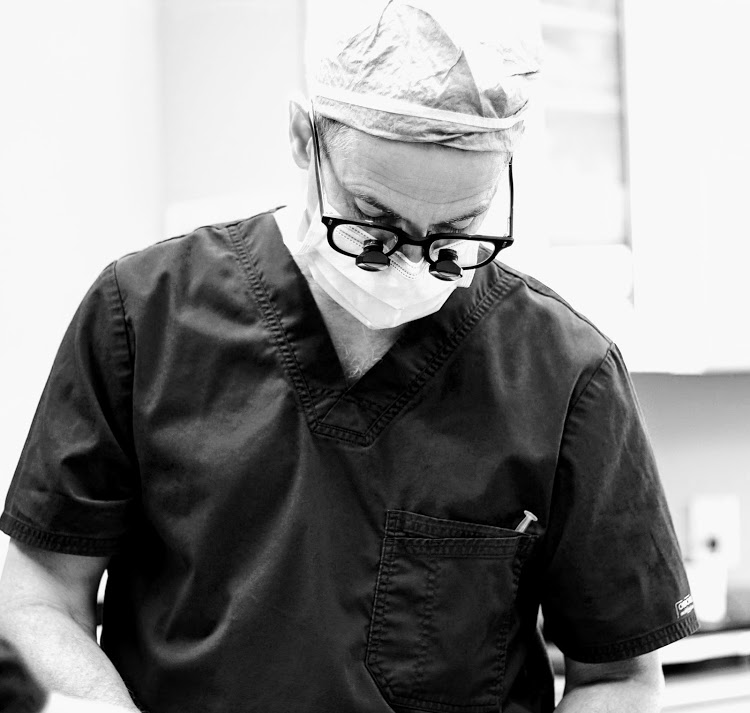
Dr. M. Ronan Conlon has practised ophthalmology in Saskatoon since 1994. He completed fellowship training in ocular pathology at Harvard University and in oculoplastic surgery at the University of Iowa. In 1996 he brought laser vision correction technology to Canada from Germany, and he specializes in oculoplastic surgery, LASIK, ASL (PRK) and refractive cataract surgery. With the establishment of the Conlon Eye Institute, Dr. Conlon has drawn on decades of experience in LASIK, RLE surgery, refractive cataract surgery, and oculoplastic surgery. He has also served as Head of Ophthalmology and Chief of Staff with the Saskatchewan Health Authority.
The information on this page should not be used in place of information provided by a doctor or specialist. To learn more, read our Privacy Policy and Editorial Policy pages.