

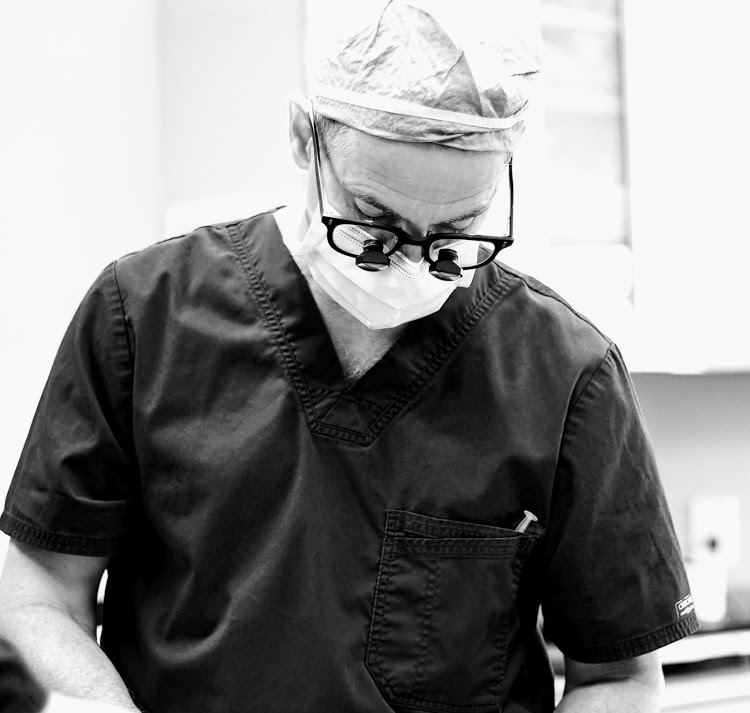
Illustrative stock photograph; not a CEI patient, treatment result or clinic equipment.
Many people first notice it in photos. Your eyes look tired even when you feel rested, or your upper lids seem to sit lower than they used to. For some, it goes beyond looks: heavy upper lids start to crowd the top of their vision, making it harder to read, drive or see a hockey puck coming.
Eyelid surgery, called blepharoplasty, can help with both. Our ophthalmologists assess the eyelids and eye surface together; oculoplastic surgery focuses on the eyelids and the area around the eyes. Here’s what blepharoplasty involves, how cosmetic and functional cases differ, and what to expect if you’re thinking about surgery before summer.
Key Takeaways
- Blepharoplasty removes or repositions extra skin, and sometimes fat, from the upper or lower eyelids.
- Functional surgery treats upper lids that block your vision and may be insured when testing confirms it. Cosmetic surgery is done to improve appearance and is paid privately.
- Bruising and swelling often improve over about two weeks, but healing varies. Allow extra time before an important event.
What Is Blepharoplasty?
As we age, eyelid skin stretches and loses elasticity. The fat that cushions the eye can also bulge forward. This can create hooding of the upper lids or bags under the eyes. Genetics, sun exposure and smoking all play a part.
Blepharoplasty can be done on the upper lids, the lower lids or both:
- Upper blepharoplasty removes extra skin, and sometimes a small amount of fat, through an incision hidden in the natural crease of the eyelid.
- Lower blepharoplasty smooths under-eye bags by removing or repositioning fat. The incision may be just below the lashes or on the inside of the lid.
The surgery is usually done as day surgery under local anaesthetic, sometimes with light sedation, so you go home the same day.
Functional vs. Cosmetic Blepharoplasty
Functional Blepharoplasty
When excess upper-lid skin hangs over the lashes, it can block the top part of your vision. You might find yourself raising your eyebrows all day to see, which can lead to forehead aches and tired eyes by evening.
To decide if surgery is medically needed, your surgeon will examine your eyelids, take photos and may arrange a visual field test. This test measures how much of your side and upper vision is blocked, with your lids in their natural position and then taped up. Medical necessity and eligibility for insured care are assessed individually. Having heavy lids does not itself guarantee coverage; ask how your findings affect your options.
Cosmetic Blepharoplasty
Cosmetic eyelid surgery is chosen to look more rested and refreshed when vision isn’t affected. Lower-lid bags are often an appearance concern. Cosmetic care is generally paid privately; an examination distinguishes cosmetic goals from medical problems.
When It’s Something Else
Not every droopy look is extra skin. A drooping eyelid margin, called ptosis, is caused by a weakened or stretched lifting muscle and needs a different repair. Sagging eyebrows can also push skin down onto the lids, and a brow lift may be the better choice. Your surgeon will sort out which is which. Our posts on ptosis and brow lifts explain these in more detail.
Are You a Good Candidate?
You may be a good candidate if you:
- Have extra upper-lid skin, hooding or under-eye bags that bother you
- Are in good general health and don’t smoke, or are willing to stop around surgery
- Have realistic expectations about what eyelid surgery can and can’t change
Tell your surgeon if you have dry eye, thyroid eye disease, high blood pressure, or take blood thinners or supplements that affect bleeding. These don’t always rule out surgery, but they change the plan.
Recovery: Planning Around Summer
Spring is a popular time for eyelid surgery, because healing can be well along before weddings, vacations and long days at the lake. A typical recovery looks like this:
- First few days: Swelling and bruising are normal and often peak around day two or three. Cold compresses and sleeping with your head raised help.
- About one week: Any stitches that need removing usually come out around this time.
- About two weeks: Most bruising has faded, and many people feel comfortable going out in public. Makeup can usually be used again once your surgeon says it’s okay.
- Several weeks to a few months: The last bit of swelling settles and scars continue to fade.
During recovery, avoid heavy lifting, bending and strenuous exercise for the period your surgeon recommends. Protect healing skin from the sun with sunglasses and a hat.
If you have a big event in July, it’s wise to give yourself more time than you think you need. Booking your consultation in the spring leaves room for proper healing.
Risks to Know About
Blepharoplasty is a common and generally safe procedure, but all surgery carries some risk. Possible problems include temporary dry or irritated eyes, slight differences between the two sides, trouble closing the eyes fully for a while, and infection. Rarely, bleeding behind the eye or other complications can threaten vision. Seek urgent assessment for severe new eye pain, sudden vision changes or concerning bleeding after surgery. Your surgeon will go over these with you before you decide.
What Does Blepharoplasty Cost?
Functional surgery that meets the provincial criteria may be covered. Cosmetic blepharoplasty is paid privately, and the fee depends on whether you’re having upper lids, lower lids or both. You’ll receive a clear quote at your consultation.
Frequently Asked Questions
Does heavy eyelid skin automatically qualify for insured surgery?
No. The examination and, when needed, photographs or visual-field testing help document the medical effect. Our team can explain eligibility and any private costs. There is no coverage guarantee from appearance alone.
Does eyelid surgery hurt?
Local anaesthetic helps keep the procedure comfortable. Tightness, soreness, bruising and swelling can follow. Follow your surgeon’s pain-relief advice rather than starting medicines that may increase bleeding.
Will I have visible scars?
Upper-lid incisions sit in the natural crease and usually fade well. Lower-lid incisions are either just below the lashes or inside the lid.
How long do the results last?
Results are long-lasting, but your skin will keep aging naturally. Sun protection and not smoking help.
Can I have upper and lower lids done together?
Yes, many people do. Your surgeon will recommend what suits your eyelids.
Book Your Consultation
If heavy upper lids affect vision or appearance, our ophthalmologists can help you understand the options. Book your consultation: call our Saskatoon office at 306-244-4111, Monday to Friday, 7 am to 4 pm. Conlon Eye Institute is in the Medical Arts Building, 341-750 Spadina Crescent East, Saskatoon, SK S7K 3H3.
References
- Mayo Clinic. Blepharoplasty — indications, evaluation, risks and recovery. https://www.mayoclinic.org/tests-procedures/blepharoplasty/about/pac-20385174
- American Academy of Ophthalmology. Eyelid surgery (listed as a supporting reference by Mayo Clinic). https://www.aao.org/eye-health/treatments/eyelid-surgery
About the Author
Dr. M. Ronan Conlon has practised ophthalmology in Saskatoon since 1994. He completed fellowship training in ocular pathology at Harvard University and in oculoplastic surgery at the University of Iowa. In 1996 he brought laser vision correction technology to Canada from Germany, and he specializes in oculoplastic surgery, LASIK, ASL (PRK) and refractive cataract surgery. With the establishment of the Conlon Eye Institute, Dr. Conlon has drawn on decades of experience in LASIK, RLE surgery, refractive cataract surgery, and oculoplastic surgery. He has also served as Head of Ophthalmology and Chief of Staff with the Saskatchewan Health Authority.
The information on this page should not be used in place of information provided by a doctor or specialist. To learn more, read our Privacy Policy and Editorial Policy pages.