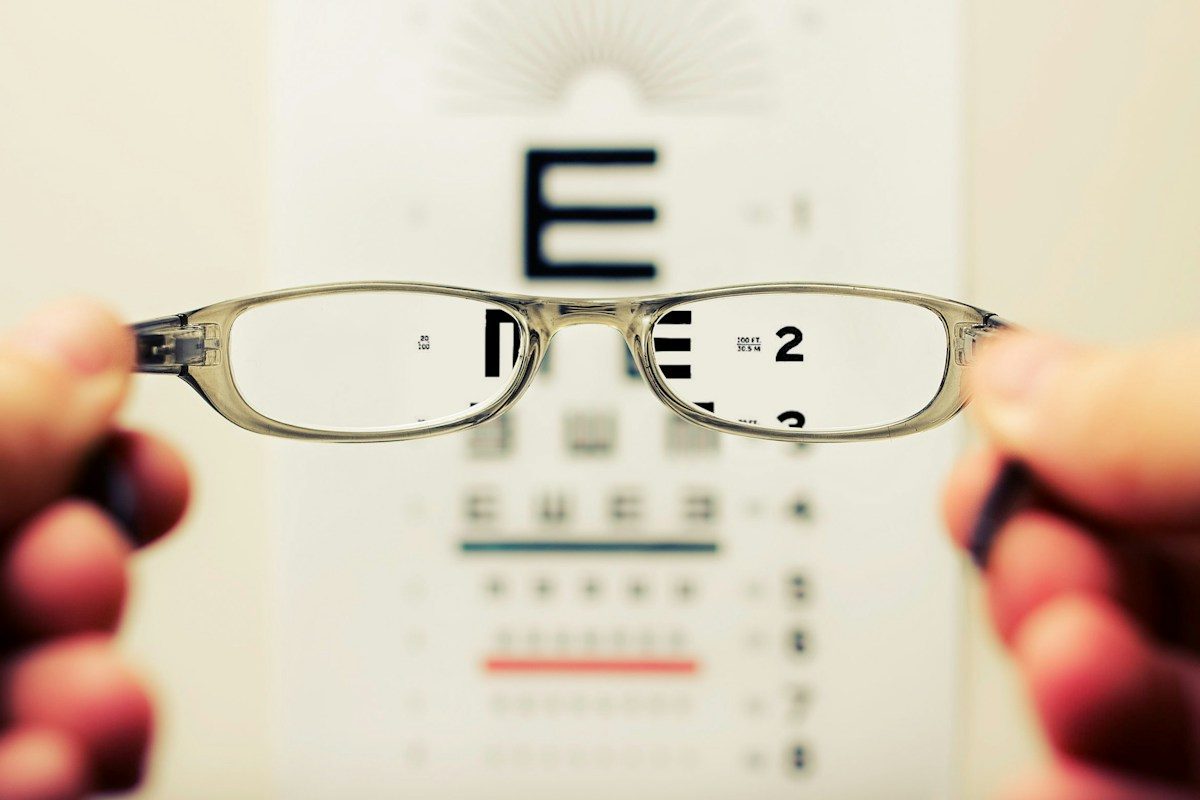
Illustrative stock photograph; not a CEI patient, treatment result or clinic equipment.
Lake season is almost here. If you’re picturing a summer of paddleboarding, camping and ball games without glasses fogging up or contacts drying out, now is a great time to find out whether LASIK is right for you.
A consultation is a chance to learn whether LASIK, ASL (PRK), or a non-laser option fits your eyes. A careful assessment comes before choosing a procedure. The checks below describe a typical evaluation, not a guaranteed sequence or a promise of surgery before summer.
Key Takeaways
- An assessment considers detailed measurements of your cornea, your prescription, your tear film and the overall health of your eyes.
- Good candidates are usually adults with a stable prescription, healthy corneas and no uncontrolled eye or health conditions. If LASIK isn’t right for you, we’ll talk about other options.
- Plan for a longer visit, stop wearing contact lenses ahead of time as directed, and bring sunglasses because your eyes may be dilated.
Before Your Visit
Take a Break From Contact Lenses
Contact lenses gently change the shape of your cornea. To get accurate measurements, you’ll need to leave them out for a while before your consultation. The break depends on lens type and how your corneas respond. Ask our team for instructions when booking rather than using a generic timetable. Measurements may need repeating if they are not stable.
What to Bring
- Your current glasses, and your contact lens details if you wear them
- A list of medications and supplements you take
- Your Saskatchewan health card
- Sunglasses for the drive home
- Any questions you’ve been saving up
If your eyes are dilated, your near vision may be blurry and bright light uncomfortable for a few hours. Some people prefer to have someone else drive.
What Happens at the Consultation
1. Your Health and Eye History
We start by getting to know you: your work, hobbies, how you use your eyes day to day, and what you’re hoping LASIK will do. We’ll ask about your general health, medications, past eye problems and any family history of eye disease. These details help us judge whether LASIK is safe for you.
2. Measuring Your Prescription
Next, we measure your current prescription carefully, both with and without your glasses. Your prescription has to be stable for laser vision correction to give a lasting result.
3. Corneal Mapping
Your cornea is the clear front window of the eye, and it’s the part LASIK reshapes. A corneal mapping scan, called topography, creates a detailed picture of its shape. It takes just a few seconds and nothing touches your eye. The map helps detect suspicious shapes, including keratoconus. It is interpreted alongside thickness and other findings; no single scan guarantees safety.
4. Corneal Thickness
We also measure how thick your cornea is. LASIK removes a small amount of tissue, so there has to be enough left afterward to keep the cornea strong. ASL (PRK) may be considered when a flap would leave too little tissue, but thin or irregular corneas can also rule out laser altogether.
5. Checking for Dry Eye
Dry eye is common, especially during prairie winters, and LASIK can make it worse for a while. We look at the quality of your tears and the surface of your eye. If you have dry eye, we may suggest treating it first. Our post on LASIK and dry eyes explains why this matters.
6. Pupil Size and Eye Health
We measure your pupils in different lighting. Then, often after dilating drops, we check the health of your whole eye, including the lens, retina and optic nerve. This makes sure there’s nothing, such as an early cataract, that would change our recommendation.
7. Talking It Through
Finally, we review your results together. You’ll learn whether you’re a good candidate, which procedure suits your eyes, what results to expect and what recovery looks like. This is the time to ask everything.
Who Qualifies for LASIK?
Every patient is different, but good candidates usually:
- Are at least 18 years old
- Have had a stable prescription for about a year or more
- Have healthy, sufficiently thick corneas with a regular shape
- Have no active eye infections or uncontrolled eye diseases
- Are not pregnant or breastfeeding, since hormones can change your prescription temporarily
- Have realistic expectations about the results
What If LASIK Isn’t Right for Me?
Not being a LASIK candidate doesn’t mean you’re out of options. Depending on your eyes, we may suggest:
- ASL (PRK), which reshapes the surface without a flap in suitable eyes
- Lens replacement (RLE), which replaces the natural lens with an implant and may suit selected people with presbyopia or prescriptions poorly suited to laser
- Waiting, if your prescription is still changing
ASL (PRK) is not LASIK. The surface layer heals over several days, so recovery differs from a flap procedure. In our surgeons’ experience, modern drop therapy and a soft bandage contact lens greatly improve comfort for many patients; individual experience and healing still vary. Long-term vision goals can be similar in suitable eyes, but the best procedure is the one your measurements support.

Frequently Asked Questions
How long does a LASIK consultation take?
Plan for a longer appointment than a routine eye exam, to allow for all the measurements, dilation and your discussion with the surgeon. Our team will tell you how much time to set aside when you book.
Will I know the total cost before deciding?
Ask for a written explanation of the proposed procedure, fees, follow-up and any enhancement terms. This article does not quote a historical fee or assume a package applies to every procedure.
Do I need a referral for a LASIK consultation?
No. You can book directly with our office.
Can I drive after my consultation?
If your eyes are dilated, your vision may be blurry and sensitive to light for a few hours. Bring sunglasses, and consider having someone drive you.
Does the consultation commit me to surgery?
No. Take time to consider the benefits, limits and alternatives. A recommendation to wait, treat dry eye first or keep glasses is a useful outcome too.
Book Your Consultation
Book your consultation: call our Saskatoon office at 306-244-4111, Monday to Friday, 7 am to 4 pm. Conlon Eye Institute is in the Medical Arts Building, 341-750 Spadina Crescent East, Saskatoon, SK S7K 3H3.
References
- U.S. Food and Drug Administration. What should I expect before, during, and after surgery? Evaluation, contact-lens preparation and informed decisions. https://www.fda.gov/medical-devices/lasik/what-should-i-expect-during-and-after-surgery
- U.S. Food and Drug Administration. What are the risks and how can I find the right doctor for me? https://www.fda.gov/medical-devices/lasik/what-are-risks-and-how-can-i-find-right-doctor-me
About the Author
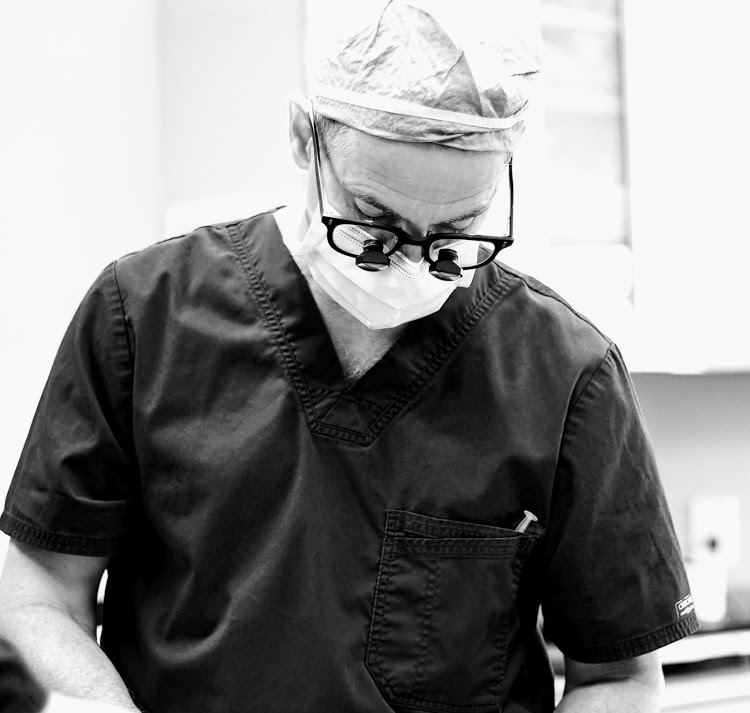
Dr. M. Ronan Conlon has practised ophthalmology in Saskatoon since 1994. He completed fellowship training in ocular pathology at Harvard University and in oculoplastic surgery at the University of Iowa. In 1996 he brought laser vision correction technology to Canada from Germany, and he specializes in oculoplastic surgery, LASIK, ASL (PRK) and refractive cataract surgery. With the establishment of the Conlon Eye Institute, Dr. Conlon has drawn on decades of experience in LASIK, RLE surgery, refractive cataract surgery, and oculoplastic surgery. He has also served as Head of Ophthalmology and Chief of Staff with the Saskatchewan Health Authority.
The information on this page should not be used in place of information provided by a doctor or specialist. To learn more, read our Privacy Policy and Editorial Policy pages.