
Illustrative stock photograph; not a CEI patient, treatment result or clinic equipment.
If you’re applying to become a police officer, firefighter or member of the military, you already know the list of requirements is long. Fitness tests, background checks, interviews and, for many careers, vision standards. Glasses can fog up under a mask or get knocked off, and contact lenses can be a problem with smoke, dust and long shifts.
That’s why many applicants and current members ask us about laser vision correction. Here’s why AdvancedSurf Laser (PRK) is often favoured for high-impact careers, why checking your future employer’s standards comes first, and how to time surgery around your application.
Key Takeaways
- Many police, fire and military organizations accept laser vision correction, but each one sets its own vision standards and rules. Check them before you book surgery.
- ASL (PRK) is often favoured for high-impact and physically demanding careers because it doesn’t create a corneal flap.
- Recovery takes longer with ASL (PRK) than with LASIK, so plan surgery well ahead of fitness tests, medical exams and training.
- Keep copies of your records. Many employers ask for details of your surgery and your results.
Start with the Vision Standards
Before you think about which procedure to have, find out what your future employer requires. Vision standards differ between organizations, and they can change over time. Standards may cover:
- How well you must see without glasses or contacts
- How well you must see with correction
- Colour vision and depth perception
- Whether laser vision correction is accepted, and which types
- How long you must wait after surgery before applying, testing or starting training
- What documentation they need from your surgeon
Get the details in writing from the recruiting office, or from the official medical or vision standards the organization publishes. If anything is unclear, ask them directly. It’s much better to know before surgery than after.
Why AdvancedSurf Laser (PRK) Is Often Favoured
Both LASIK and ASL (PRK) use an excimer laser to reshape the cornea and correct nearsightedness and astigmatism. The main difference is how the surgeon gets to the layer that’s reshaped.
- LASIK creates a thin flap in the cornea, reshapes the tissue underneath, then lays the flap back down. Recovery is fast.
- ASL (PRK) removes the thin surface layer of the cornea, called the epithelium, and reshapes the surface directly. The surface layer grows back over a few days. There’s no flap.
In our surgeons’ experience, ASL (PRK) is a safe, reliable option for suitable candidates. Modern drop therapy and a soft bandage contact lens greatly improve comfort during early healing for many patients, though comfort and recovery vary and no one can promise a pain-free experience.
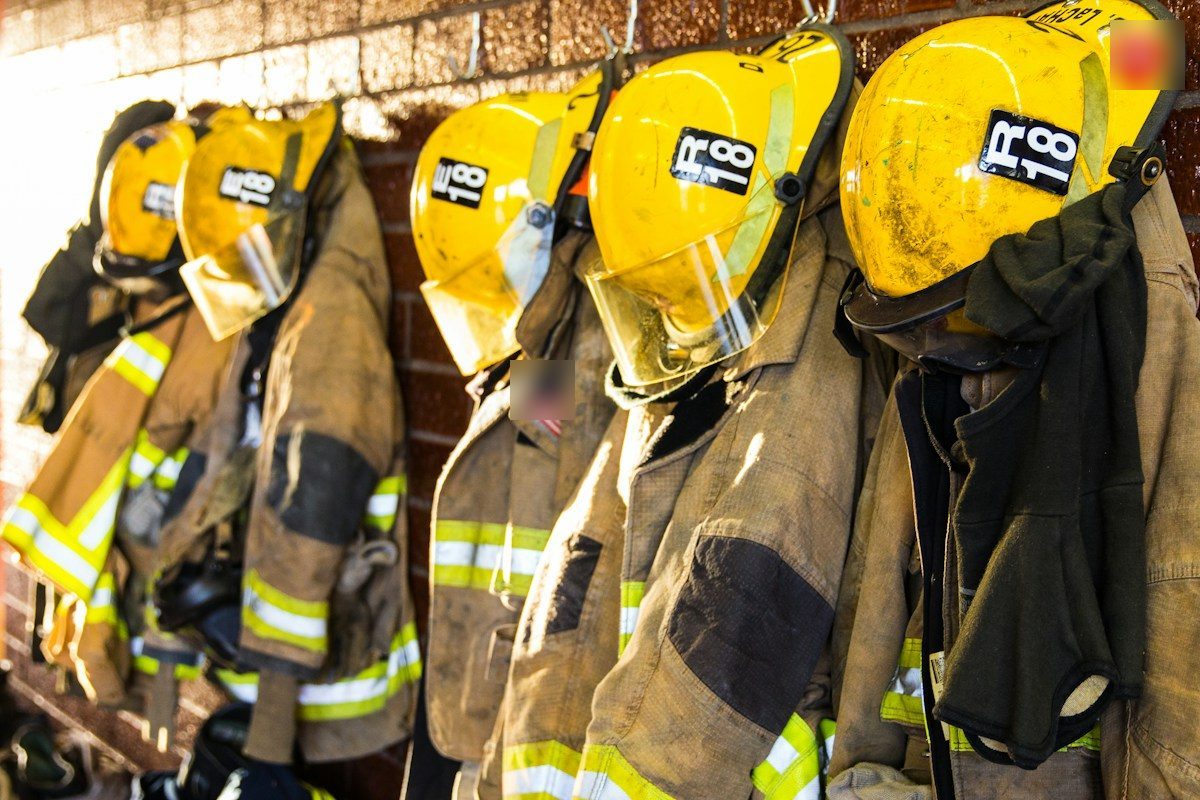
LASIK flaps heal well and are very stable for most people. But a strong, direct blow to the eye can, in rare cases, shift a flap, even years later. For people in careers with a real risk of eye trauma, such as tactical work, firefighting, combat training or contact sports, that’s why AdvancedSurf Laser (PRK) is often the preferred choice. Some organizations may also have their own preferences or rules about the type of procedure.
ASL (PRK) is also a good option for people with thinner corneas. Our post on thin corneas and ASL (PRK) explains why.
Recovery and Timing
AdvancedSurf Laser (PRK) recovery takes longer than LASIK. Most people:
- Have discomfort and blurry vision for the first few days while the surface heals
- Can return to desk work within about a week
- Notice vision keeps sharpening over several weeks
- Reach their final, stable result over a few months
That means timing matters. Plan ASL (PRK) well before:
- Vision testing for your application
- Physical fitness tests, where sweat, dust and rubbing your eyes are a problem early on
- Academy, recruit or basic training
- Any waiting period your employer requires after surgery
If you’re already in service, talk to your organization about the time off you’ll need and when you can return to full duties.
Getting Ready for Your Consultation
At your consultation in Saskatoon, we’ll measure your corneas, check your prescription and examine the health of your eyes to see whether you’re a candidate and which procedure suits you best. Bring:
- The vision standards for the organization you’re applying to
- Any forms your employer needs a surgeon to fill out
- Your glasses and contact lens details
- Questions about timing and recovery
If you wear contact lenses, you’ll need to stop wearing them for a while before your measurements. We’ll tell you how long.

Keep Your Records
Many organizations ask for details of your surgery, such as the type of procedure, the date and your prescription before and after. Ask us for copies of your records, and keep them with your application documents.
Frequently Asked Questions
Can I become a police officer or firefighter after laser eye surgery?
In many cases, yes. Many organizations accept laser vision correction, but requirements vary. Always check with the organization you’re applying to.
Is LASIK ever OK for these careers?
For some people and some organizations, yes. LASIK can be a good choice for people whose work has a lower risk of eye injury. We’ll talk through the pros and cons for your situation.
How long after ASL (PRK) can I do a vision test?
It depends on your healing and your employer’s rules. Many organizations require a set waiting period after surgery. Plan for at least a few months, and confirm the exact timing with the recruiter.
Will laser eye surgery affect my night vision?
Some people notice glare or halos at night for a while after surgery. For most, this improves as the eye heals. We’ll check your eyes carefully before surgery to reduce the risk.
Book Your Consultation
If you’re planning a career in policing, firefighting or the military and want to know whether laser vision correction is right for you, bring your employer’s vision standards and we’ll help you plan. Book your consultation: call our Saskatoon office at 306-244-4111, Monday to Friday, 7 am to 4 pm. Conlon Eye Institute is in the Medical Arts Building, 341-750 Spadina Crescent East, Saskatoon, SK S7K 3H3.
References
- American Academy of Ophthalmology. What Is Photorefractive Keratectomy (PRK)? https://www.aao.org/eye-health/treatments/photorefractive-keratectomy-prk — supports no-flap surface treatment, bandage contact lens during healing, and slower early visual recovery.
- American Academy of Ophthalmology. LASIK — Laser Eye Surgery. https://www.aao.org/eye-health/treatments/lasik — supports flap creation, candidacy and risks.
About the Author
Dr. M. Ronan Conlon has practised ophthalmology in Saskatoon since 1994. He completed fellowship training in ocular pathology at Harvard University and in oculoplastic surgery at the University of Iowa. In 1996 he brought laser vision correction technology to Canada from Germany, and he specializes in oculoplastic surgery, LASIK, ASL (PRK) and refractive cataract surgery. With the establishment of the Conlon Eye Institute, Dr. Conlon has drawn on decades of experience in LASIK, RLE surgery, refractive cataract surgery, and oculoplastic surgery. He has also served as Head of Ophthalmology and Chief of Staff with the Saskatchewan Health Authority.
The information on this page should not be used in place of information provided by a doctor or specialist. To learn more, read our Privacy Policy and Editorial Policy pages.