
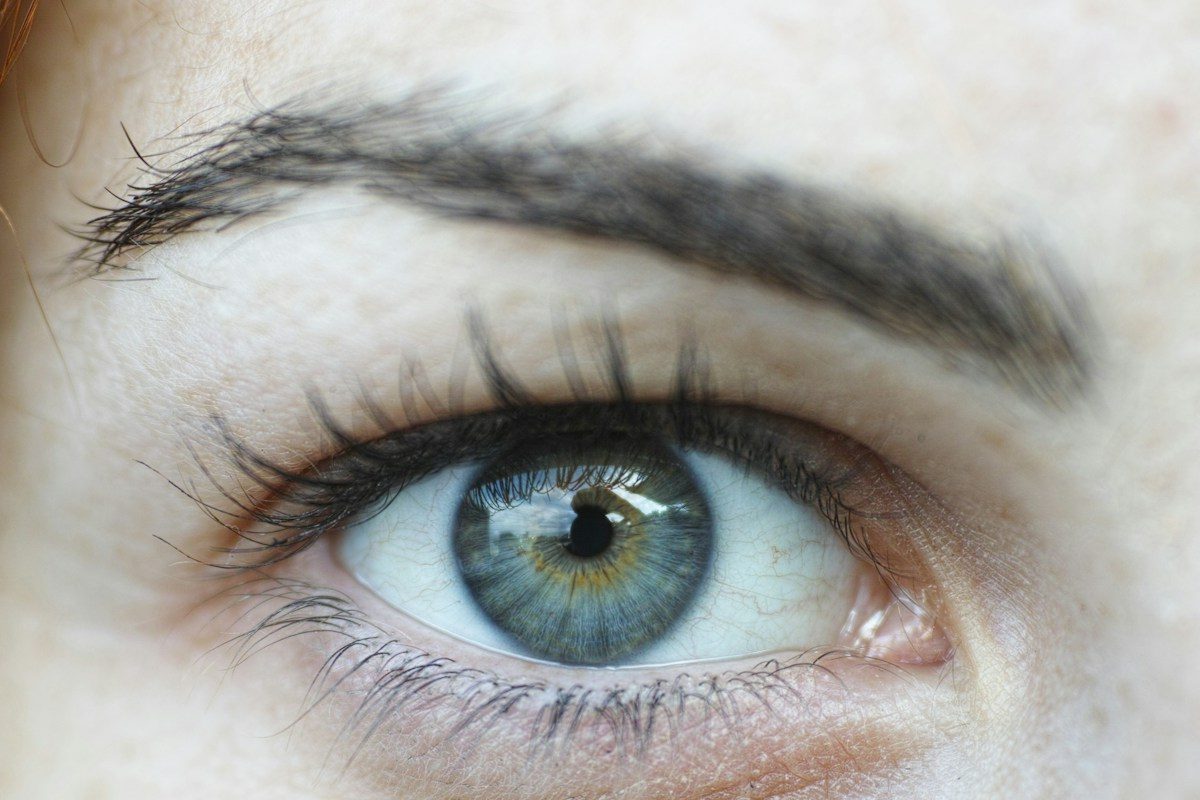
Hearing “your corneas are a bit thin” at a laser eye surgery consultation can be disappointing. Many people assume it means laser vision correction is off the table. Often, it doesn’t. It may simply mean that one type of laser surgery is a better fit for your eyes than another.
Corneal thickness and shape are two of the most important things we measure before recommending LASIK or ASL (PRK). Here’s why they matter, what we look for at your consultation in Saskatoon, and why ASL (PRK) is often the safer choice when corneas are on the thin side.
Key Takeaways
- Laser eye surgery reshapes the cornea by removing a small amount of tissue. Your cornea needs to be thick and strong enough to stay stable afterward.
- AdvancedSurf Laser (PRK) reshapes the surface of the cornea without cutting a flap, so it leaves more of the cornea’s strength in place. That’s why it’s often recommended for thinner corneas.
- Thickness is only part of the picture. Corneal shape matters too, and some patterns mean laser surgery isn’t the right choice at all.
How Laser Eye Surgery Works
The cornea is the clear, dome-shaped window at the front of your eye. It does much of the eye’s focusing. LASIK and ASL (PRK) both use an excimer laser to gently reshape the cornea so that light focuses more sharply on the retina. The laser does this by removing a very small, precise amount of corneal tissue.
The difference is how the surgeon reaches the tissue being reshaped.
- LASIK: The surgeon creates a thin flap in the cornea, folds it back, reshapes the tissue underneath, and lays the flap back down.
- ASL (PRK): The surgeon gently removes the thin outer skin of the cornea, called the epithelium, and reshapes the surface directly. There’s no flap. The epithelium grows back over the next several days.
Both are well-established. For more on how they compare, see our LASIK vs AdvancedSurf Laser (PRK) guide.
Why Corneal Thickness Matters
Your cornea needs enough strength to hold its shape for the rest of your life. In LASIK, the flap doesn’t add much to the cornea’s strength once it’s laid back down. The laser then removes tissue from beneath the flap. If the cornea is thin to begin with, the remaining tissue may not be strong enough.
In rare cases, a cornea that’s been weakened can gradually bulge forward. This is called corneal ectasia, and it causes blurry, distorted vision that glasses can’t fully correct. Careful screening before surgery is the best way to prevent it.
ASL (PRK) avoids the flap entirely, so more of the cornea’s strong tissue stays in place. For thinner corneas, that extra margin can make ASL (PRK) the safer option.
“When I tell someone their corneas are better suited to AdvancedSurf Laser (PRK), it isn’t bad news. It means we’ve looked carefully and chosen the approach that protects their eyes for the long term. That matters more than which procedure has the faster recovery,” says Dr. Conlon.
What We Measure at Your Consultation
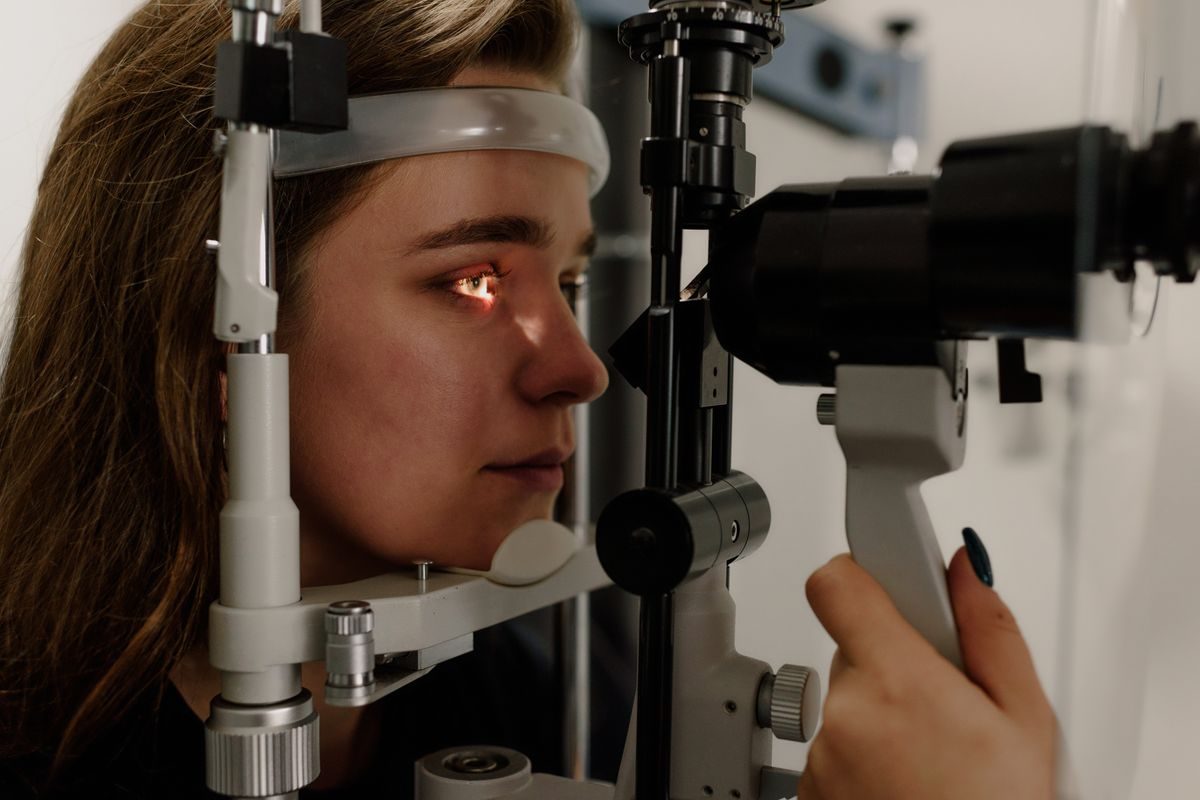
A laser eye surgery consultation is much more than checking your prescription. Here’s some of what we look at.
Corneal Thickness
We measure how thick your cornea is at many points, not just the centre. This is called pachymetry, and it’s quick and painless.
Corneal Shape
We map the front and back surfaces of your cornea. These maps can reveal early signs of keratoconus, a condition in which the cornea thins and becomes cone-shaped. Some people have very subtle signs they’ve never been told about. If the maps suggest your cornea is weak or irregular, laser surgery may not be safe, even if the thickness looks fine.
Your Prescription
Higher prescriptions need more tissue removed. So the same corneal thickness might be fine for a mild prescription but not for a strong one.
Overall Eye Health
We also check for dry eye, look at the health of the retina and lens, and ask about your health, medications and family history.
A Note for Contact Lens Wearers
Contact lenses can temporarily change the shape of your cornea. We’ll ask you to leave your lenses out for a period before your measurements so the results are accurate. We’ll tell you how long when you book.
What ASL (PRK) Recovery Is Like
At Conlon Eye Institute, surface laser is called AdvancedSurf Laser (PRK), and it is not LASIK. The main trade-off versus LASIK is a slower, less comfortable start while the outer corneal layer grows back. Most people have some discomfort, light sensitivity and watery eyes for the first few days.
Care in that early phase typically includes modern drop therapy and a soft bandage contact lens. In our surgeons’ experience, comfort is greatly improved for many patients compared with older recovery stories — though everyone heals differently, and recovery is never promised to be painless. Drop names and schedules stay in your written aftercare, not on the blog.
Vision is usually functional within about a week and keeps sharpening over the following weeks. Long-term results are generally similar to LASIK. See our published post on ASL (PRK) recovery times.
“AdvancedSurf Laser (PRK) asks for a little more patience in the first week or two. In return, you keep more of your cornea’s natural strength. For the right eyes, that’s a very good trade,” says Dr. Conlon.

Who Else May Be Better Suited to ASL (PRK)?
Thin corneas aren’t the only reason ASL (PRK) may be recommended. It’s also often a good fit for people who:
- Play contact sports or do physical work where an eye injury is more likely
- Have certain corneal surface conditions
- Have had previous eye surgery that makes a flap less suitable
When Laser Surgery Isn’t the Answer
Sometimes neither LASIK nor AdvancedSurf Laser (PRK) is safe — for example with signs of keratoconus. We’ll talk about other ways to see clearly and how to protect your cornea.
Frequently Asked Questions
What counts as a “thin” cornea?
There isn’t one cut-off that applies to everyone. Your surgeon looks at your corneal thickness together with its shape, your prescription and how much tissue would need to be removed.
Is ASL (PRK) less effective than LASIK?
No. Once healing is complete, ASL (PRK) and LASIK give similar results for most people. The difference is mostly in the recovery.
Can I have LASIK if my corneas are thin?
Sometimes. It depends on how thin, the shape of your cornea and your prescription. If LASIK would leave too little tissue, AdvancedSurf Laser (PRK) is often the safer recommendation.
Does ASL (PRK) hurt?
The procedure itself is done with numbing drops, so you should not feel sharp pain during the laser. Most people feel some discomfort for the first few days afterward while the surface heals. Modern drop therapy and a soft bandage contact lens are used to support comfort; how it feels still varies from person to person, and no one can guarantee a painless recovery. Follow the aftercare instructions you are given.
Book a Laser Eye Surgery Consultation
If you’ve been told your corneas may be too thin for LASIK, or you’d simply like to know your options, we’d be happy to help. Call our Saskatoon office at 306-244-4111 to book your consultation. Conlon Eye Institute is in the Medical Arts Building, 341-750 Spadina Crescent East, Saskatoon, SK S7K 3H3.
References
- American Academy of Ophthalmology, EyeSmart patient information on LASIK, ASL (PRK) and keratoconus
- Canadian Ophthalmological Society, patient information on refractive surgery
- Canadian Association of Optometrists, patient information on laser vision correction
About the Author
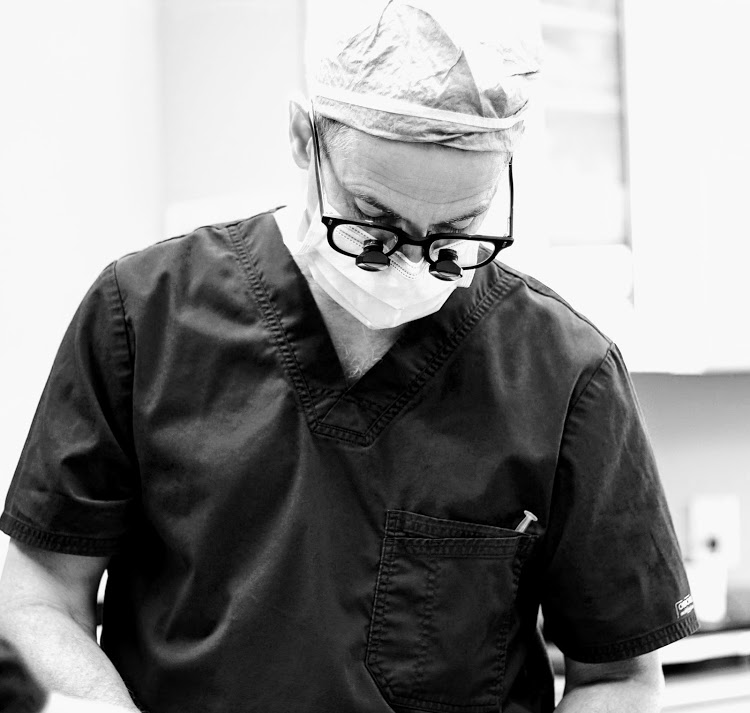
Dr. M. Ronan Conlon has practised ophthalmology in Saskatoon since 1994. He completed fellowship training in ocular pathology at Harvard University and in oculoplastic surgery at the University of Iowa. In 1996 he brought laser vision correction technology to Canada from Germany, and he specializes in oculoplastic surgery, LASIK, ASL (PRK) and refractive cataract surgery. With the establishment of the Conlon Eye Institute, Dr. Conlon has drawn on decades of experience in LASIK, RLE surgery, refractive cataract surgery, and oculoplastic surgery. He has also served as Head of Ophthalmology and Chief of Staff with the Saskatchewan Health Authority.
The information on this page should not be used in place of information provided by a doctor or specialist. To learn more, read our Privacy Policy and Editorial Policy pages.