
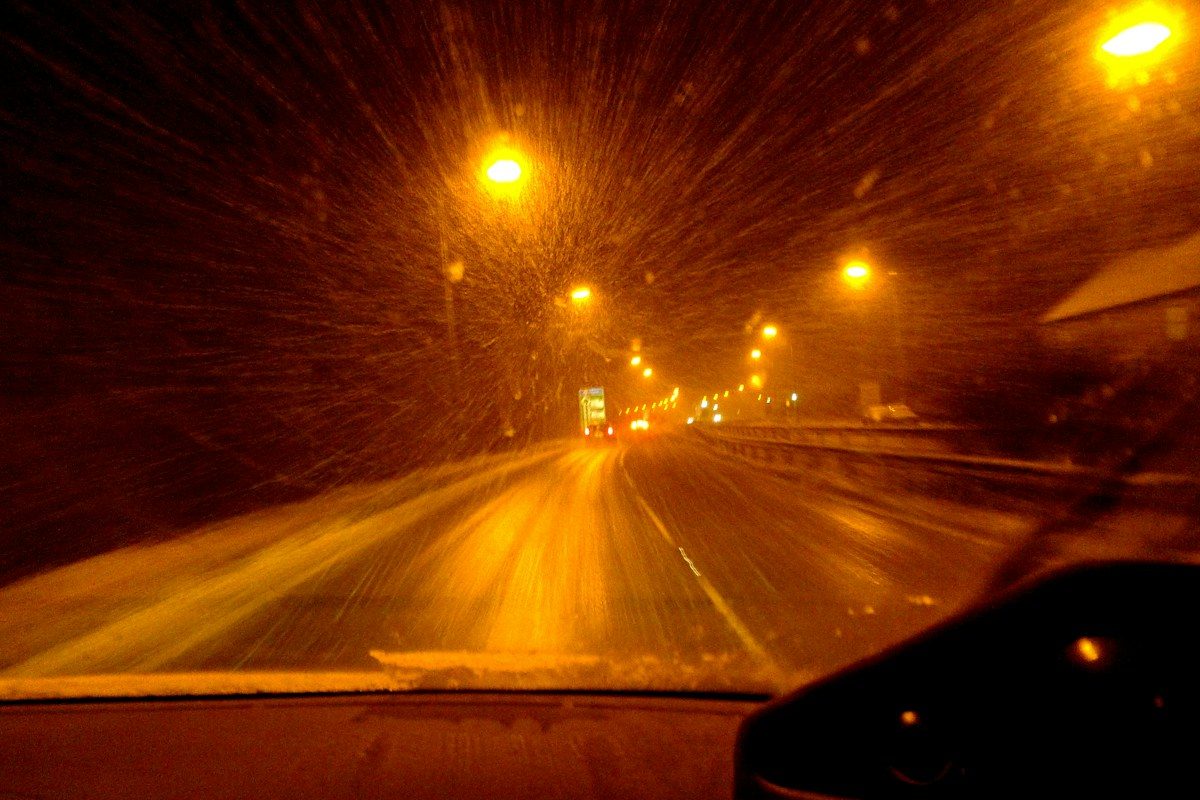
Illustrative stock photograph; not a CEI patient, treatment result or clinic equipment.
In the middle of a prairie winter, it can feel like most of your driving happens in the dark. You head to work before sunrise and come home after sunset. For many people, this is the time of year when they first notice that something has changed. Oncoming headlights seem blinding. Streetlights have rings around them. Road signs are harder to read until you’re almost past them.
These are some of the most common early signs of a cataract. The good news is that cataracts are very treatable. Here’s how cataracts cause glare and halos, how to tell when a cataract is ready for surgery, and how to get the process started in Saskatoon.
Key Takeaways
- Cataracts scatter light inside the eye, which causes glare, halos and starbursts around lights, especially at night.
- A cataract doesn’t need to be “ripe” before surgery. It’s usually time to talk about surgery when your vision makes everyday tasks, like night driving, harder or less safe.
- If night driving has become stressful, see your optometrist. They can check for cataracts and other causes of glare, and refer you to an ophthalmologist if needed.
Why Cataracts Cause Glare and Halos
Inside your eye, behind the coloured iris, is a natural lens. When you’re young, it’s clear and flexible, and it focuses light sharply onto the retina at the back of the eye. With age, the proteins in the lens slowly change and the lens becomes cloudy. That cloudiness is a cataract.
A clear lens lets light pass straight through. A cloudy lens scatters it. During the day, this may only make things look a little dull or hazy. At night, it’s a different story. Your pupil opens wider in the dark, so light passes through more of the cloudy lens. Bright points of light, like headlights and streetlights, spread out into glare, halos and starburst patterns.
Winter can make this even more noticeable. Wet roads, snow and ice reflect light, and long hours of darkness mean more of your driving happens with headlights in your eyes.

Other Signs of a Cataract
Glare is often the first thing people notice, but cataracts can also cause:
- Blurry, cloudy or dim vision
- Colours that look faded or slightly yellow
- Needing brighter light to read
- Trouble seeing contrast, like a grey car on a grey winter day
- Frequent changes in your glasses prescription
- Double vision in one eye
Is It a Cataract or Something Else?
Glare and halos aren’t always caused by cataracts. Other common causes include:
- An out-of-date prescription. Even a small change in your glasses can make night vision worse.
- Dry eye. An uneven tear film can blur and scatter light. Dry eye is common in winter, when cold outdoor air and indoor heating dry out the eyes.
Your optometrist can examine the lens of your eye, check your prescription and help sort out what’s causing your symptoms.
When Is a Cataract Ready for Surgery?
Years ago, people were often told to wait until a cataract was “ripe” before having surgery. That’s no longer the case. With modern cataract surgery, the decision is mostly about how much the cataract is affecting your life.
It may be time to talk with an ophthalmologist about surgery if:
- You avoid driving at night, or feel unsafe doing it.
- Glare makes it hard to see on bright, snowy days.
- You struggle to read, watch TV, do hobbies or recognize faces.
- New glasses no longer help much.
- Your vision may no longer meet the standard for driving.
Saskatchewan has minimum vision standards for drivers. If you’re not sure whether your vision meets them, ask your optometrist or eye doctor.
If your vision still works well for you, waiting is usually fine. But there’s no benefit to putting up with poor vision once it’s getting in the way. The right time is a decision you make together with your eye surgeon.
What Happens Next
Where Cataract Care Happens
An eye exam is the usual first step in finding out whether a cataract is behind your glare. In Saskatoon, Dr. Conlon performs standard cataract surgery at Prairieview. Refractive cataract surgery, which pairs cataract removal with a lens chosen to reduce your need for glasses, is done only at Conlon Eye Institute.
Your Cataract Assessment
At your assessment, we’ll check your vision, examine the health of your eye and take detailed measurements to help choose the right lens implant. We’ll also talk about how you use your eyes day to day.
Surgery and Recovery
Cataract surgery replaces the cloudy natural lens with a clear artificial lens. It’s usually done as day surgery, one eye at a time, with numbing drops and light sedation. Many people notice clearer vision within days, though full healing takes a few weeks. Glare from the cataract itself often improves once the cloudy lens is gone.
If you’d like to know more, read our guides on everything you need to know about cataracts and preparing for cataract surgery.

What If Glare Comes Back After Cataract Surgery?
Some people notice glare or cloudy vision coming back months or even years after cataract surgery. This is usually not the cataract returning. More often, it’s a common condition called posterior capsule opacification, sometimes called a “secondary cataract.” The thin capsule that holds the new lens in place becomes hazy.
It’s easily treated with a quick, painless YAG laser procedure in the office. We perform this treatment often at our Saskatoon clinic, and most people see clearly again within a day or so.
Tips for Safer Night Driving in Winter
While you wait for an assessment or surgery, these tips can help:
- Keep your windshield, headlights and glasses clean, and your prescription up to date.
- Look toward the right edge of your lane, not directly at oncoming headlights.
- Slow down and leave more distance between you and the car ahead.
- Avoid tinted or “night driving” glasses. They reduce the light reaching your eyes and can make it harder to see.
Frequently Asked Questions
Can glasses fix cataract glare?
New glasses can sharpen vision for a while, but they can’t remove the cloudiness that causes glare. Once glasses no longer help enough, surgery is the only way to treat a cataract.
Do I need to wait for my cataract to get worse?
No. Modern cataract surgery doesn’t require a cataract to be “ripe.” If your vision is affecting your daily life or your safety, it’s reasonable to talk about surgery.
Is cataract surgery covered in Saskatchewan?
Standard cataract surgery is covered by Saskatchewan’s provincial health plan. Refractive cataract surgery and lens upgrades, such as lenses that correct astigmatism or reduce the need for reading glasses, have an extra cost that we’ll explain in writing at your assessment.
Book Your Consultation
If glare and halos are making winter driving harder, our team can help you understand your options, including refractive cataract surgery. Book your consultation: call our Saskatoon office at 306-244-4111, Monday to Friday, 7 am to 4 pm. Conlon Eye Institute is in the Medical Arts Building, 341-750 Spadina Crescent East, Saskatoon, SK S7K 3H3.
References
- American Academy of Ophthalmology. What Are Cataracts? https://www.aao.org/eye-health/diseases/what-are-cataracts — supports glare and halos at night, symptoms, and limiting night driving when glare becomes a problem.
- National Eye Institute. Cataracts. https://www.nei.nih.gov/learn-about-eye-health/eye-conditions-and-diseases/cataracts — supports early coping steps (brighter lights, anti-glare sunglasses, new glasses) and surgery when cataracts interfere with daily activities.
About the Author
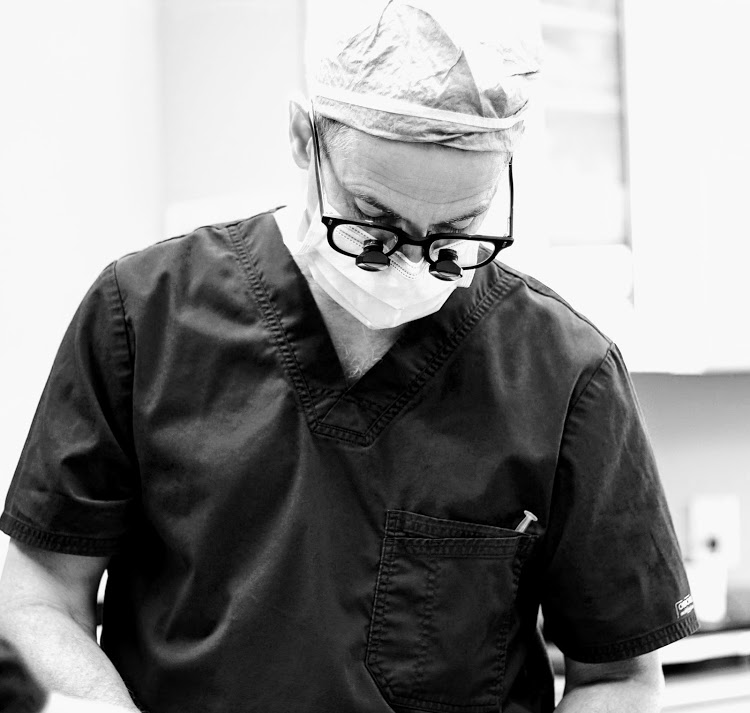
Dr. M. Ronan Conlon has practised ophthalmology in Saskatoon since 1994. He completed fellowship training in ocular pathology at Harvard University and in oculoplastic surgery at the University of Iowa. In 1996 he brought laser vision correction technology to Canada from Germany, and he specializes in oculoplastic surgery, LASIK, ASL (PRK) and refractive cataract surgery. With the establishment of the Conlon Eye Institute, Dr. Conlon has drawn on decades of experience in LASIK, RLE surgery, refractive cataract surgery, and oculoplastic surgery. He has also served as Head of Ophthalmology and Chief of Staff with the Saskatchewan Health Authority.
The information on this page should not be used in place of information provided by a doctor or specialist. To learn more, read our Privacy Policy and Editorial Policy pages.