
Illustrative stock photograph; not a CEI patient, treatment result or clinic equipment.
Thinking about LASIK but not sure where to start? A little homework before your first visit can make the appointment more useful, especially if you’re travelling to Saskatoon from out of town. You’ll get more from the conversation, and you’ll be better placed to make a decision that suits your eyes and your life.
This guide walks through what to gather, what to think about and which questions are worth asking. It doesn’t replace an in-person assessment. Only a full exam with detailed measurements can tell you whether laser vision correction is safe for you.
Key Takeaways
- Before your visit, gather your glasses and contact lens details, your medication list and your eye history.
- Think about your goals: what you want to see clearly, and where glasses or contacts get in the way.
- Bring written questions about candidacy, procedure choice, recovery, risks and costs.
- A safe decision depends on in-person measurements, including corneal mapping and thickness.
Gather Your Information
Having the right details on hand saves time and helps your eye doctor understand your history.
- Your glasses and contact lens details. Bring your current glasses, and know the type and brand of contacts you wear.
- Your prescription history. A stable prescription matters for laser vision correction. If you have older prescriptions, bring them; your optometrist can often provide copies.
- Your medications and health conditions. Some conditions, such as diabetes or autoimmune disease, and some medicines can affect healing.
- Your eye history. Note any injuries, infections, surgeries or conditions such as dry eye or lazy eye.
If you wear contact lenses, ask how long to leave them out before your measurements. Contacts can temporarily change the shape of the cornea, and the right break depends on your lens type.

Think About Your Goals
Laser vision correction is about how you live, not just numbers on a chart. Before your visit, think about:
- What frustrates you most about glasses or contacts
- Your work, sports and hobbies, and whether any involve a risk of eye injury
- Whether you mostly need clear distance vision, or also struggle with reading up close
- How much time you could take off for recovery
If you’re over about 40 and reading glasses are part of your life, mention it. Age-related changes to the lens affect near vision, and the right plan may look different. For some people, lens replacement (RLE) or monovision is worth discussing.
Questions Worth Asking
Write your questions down so nothing gets forgotten. Here are some to consider.
About Candidacy
- Is my prescription stable enough?
- Are my corneas thick and regular enough for laser treatment?
- Do I have dry eye, and should it be treated first?
- Is there anything about my health or eyes that makes surgery less suitable?
About the Procedure
- Is LASIK or ASL (PRK) better for my eyes, and why?
- What are the alternatives, including waiting or keeping glasses?
AdvancedSurf Laser (PRK) has no flap, so it can suit some people with thinner corneas or jobs and sports with a risk of eye injury. In our surgeons’ experience, ASL (PRK) is a safe, reliable option for suitable candidates, and modern drop therapy and a soft bandage contact lens greatly improve comfort for many patients. Healing and comfort still vary from person to person, and no one can promise a pain-free recovery.
About Recovery
- How long will I need off work or sports?
- When can I drive?
- How many follow-up visits will I need, and where?
About Risks and Results
- What are the risks for my eyes specifically?
- What results are realistic, and could I still need glasses for some tasks?
- What happens if my vision isn’t quite right after healing?
About Costs
- What does the fee include, such as follow-up visits, drops and any enhancement?
- Can I have the estimate in writing?

What Happens at the In-Person Assessment
A safe recommendation depends on precise measurements that need specialized equipment. A typical assessment includes corneal mapping to check the shape of your cornea and look for conditions such as keratoconus, a corneal thickness measurement, a careful prescription check, a look at your tear film for dry eye and an exam of the overall health of your eyes. Dilating drops may be used, so bring sunglasses and consider a driver.
Tips If You’re Travelling to Saskatoon
- Plan for a longer appointment than a routine eye exam.
- Arrange a driver in case your eyes are dilated.
- Ask which follow-up visits could happen closer to home.
- Bring your glasses, contact lens details and medication list.
Frequently Asked Questions
Can I find out online whether I’m a LASIK candidate?
General information can help you prepare, but only an in-person exam with detailed measurements can confirm whether laser vision correction is safe for you.
What if I’m not a LASIK candidate?
You may still have options, such as ASL (PRK), lens replacement (RLE) or simply waiting if your prescription is still changing. Your eye doctor will explain what makes sense for your eyes.
Should I stop wearing contacts before my visit?
Usually, yes, for a period that depends on your lens type. Ask when you book.
Does the assessment commit me to surgery?
No. Take the time you need. A recommendation to wait or keep your glasses is a useful outcome too.
Book Your Consultation
Book your consultation: call our Saskatoon office at 306-244-4111, Monday to Friday, 7 am to 4 pm. Conlon Eye Institute is in the Medical Arts Building, 341-750 Spadina Crescent East, Saskatoon, SK S7K 3H3.
References
- American Academy of Ophthalmology. LASIK — Laser Eye Surgery. https://www.aao.org/eye-health/treatments/lasik — supports candidacy factors (stable prescription, corneal thickness and shape, dry eye, health conditions), contact lens break before measurement, and risks.
- U.S. Food and Drug Administration. What should I expect before, during, and after surgery? https://www.fda.gov/medical-devices/lasik/what-should-i-expect-during-and-after-surgery — supports preparing for the evaluation, stopping contact lenses before measurement and informed decision-making.
- American Academy of Ophthalmology. What Is Photorefractive Keratectomy (PRK)? https://www.aao.org/eye-health/treatments/photorefractive-keratectomy-prk — supports surface treatment without a flap and bandage contact lens during healing.
About the Author
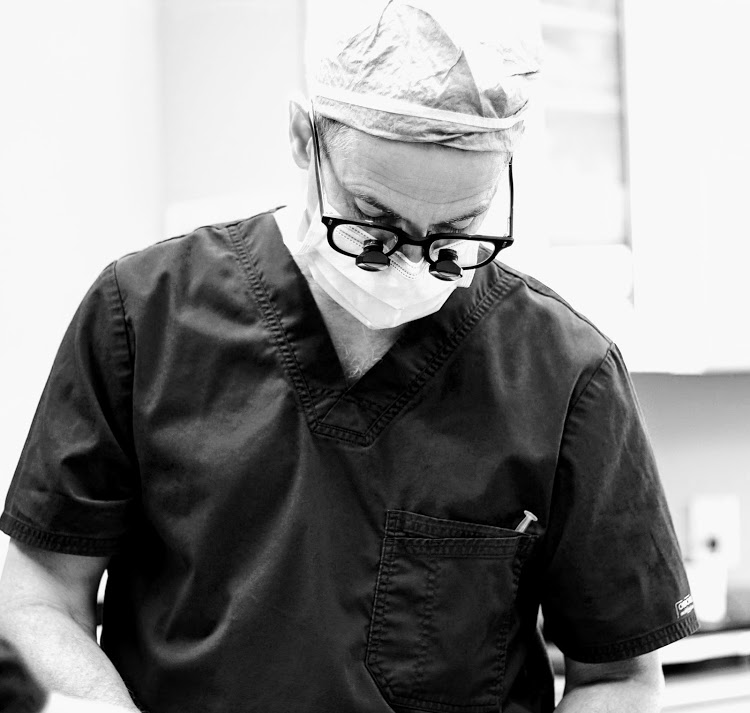
Dr. M. Ronan Conlon has practised ophthalmology in Saskatoon since 1994. He completed fellowship training in ocular pathology at Harvard University and in oculoplastic surgery at the University of Iowa. In 1996 he brought laser vision correction technology to Canada from Germany, and he specializes in oculoplastic surgery, LASIK, ASL (PRK) and refractive cataract surgery. With the establishment of the Conlon Eye Institute, Dr. Conlon has drawn on decades of experience in LASIK, RLE surgery, refractive cataract surgery, and oculoplastic surgery. He has also served as Head of Ophthalmology and Chief of Staff with the Saskatchewan Health Authority.
The information on this page should not be used in place of information provided by a doctor or specialist. To learn more, read our Privacy Policy and Editorial Policy pages.