
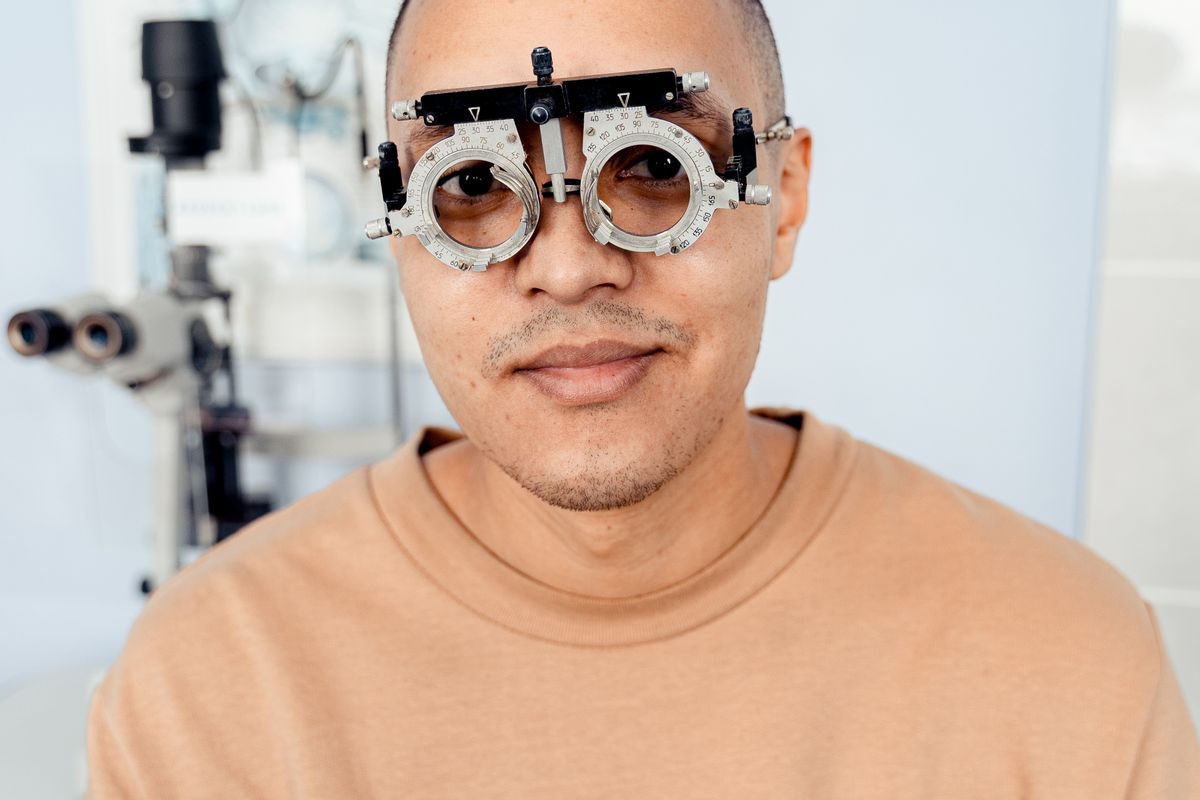
Illustrative stock photograph; not a CEI patient, treatment result or clinic equipment.
Cataract surgery itself takes only a short time. The healing that follows takes a few weeks, and that’s when good follow-up care matters most. For many patients, that follow-up is shared between the surgical team and their own optometrist. It’s called co-managed care, and it can mean fewer trips and a familiar face during recovery.
Here’s how shared care generally works, what your follow-up visits check and the warning signs that shouldn’t wait.
Key Takeaways
- In co-managed care, your surgeon and your optometrist work as a team. Your surgeon performs the surgery, and your optometrist may handle some routine follow-up.
- Your surgical team will give you your own follow-up plan. Schedules vary from person to person.
- Follow-up visits check your vision, eye pressure, healing and your new lens.
- Worsening pain, redness or vision after surgery needs prompt care, not a wait for your next visit.
How Co-Managed Care Works
Shared care divides the work between two professionals who each do what they do best:
- Your surgeon examines your eyes, takes the measurements for your new lens, discusses lens options with you and performs the surgery. In Saskatoon, Dr. Conlon performs standard cataract surgery at Prairieview, and refractive cataract surgery only at Conlon Eye Institute.
- Your optometrist may handle routine visits after surgery and later prescribes any glasses you need.
Your surgeon remains responsible for your surgical care. If your optometrist has a concern, the two will communicate, and you may be asked to see the surgical team.
Co-management isn’t required. Ask your surgical team which visits will happen where, and choose what works for you.
What Recovery Usually Looks Like
Many people notice clearer vision within days, though full healing takes a few weeks. Your follow-up visits are spaced to catch problems early while the eye settles. The exact timing, and who you’ll see at each visit, is part of the plan your surgical team gives you. Keep every appointment, even if your eye feels fine.
If you’re having both eyes done, the second eye is usually scheduled once the first has started to heal. Your team will explain the timing for you.

What Follow-Up Visits Check
Whoever sees you, a follow-up visit after cataract surgery usually looks at:
- Your vision. How well you’re seeing, with and without glasses.
- Eye pressure. Pressure can sometimes rise after surgery, so it’s checked early.
- The front of the eye. Healing of the small incisions, any swelling of the cornea and how much inflammation remains inside the eye.
- Your new lens. That it’s clear, centred and stable.
- The retina. Especially the macula, the centre of the retina, where swelling can occasionally develop in the weeks after surgery.
- Your drops. Whether you’re using them correctly, and what comes next.
Once your eye has settled, your optometrist can measure you for glasses if you need them. Many people still need reading glasses after cataract surgery, depending on the lens they chose.
Your Part on the Team
You’re an important part of shared care too:
- Use your drops exactly as prescribed, and bring the list to each visit.
- Don’t rub your eye, and follow the activity advice you’re given.
- Tell your optometrist or surgical team about anything that worries you.
- Keep a copy of your surgery details, including the lens you received, for future eye care.
When to Get Help Right Away
Don’t wait for your next scheduled visit if you notice:
- Pain that’s getting worse, not better
- Increasing redness
- Vision that’s getting worse instead of better
- New flashes of light, a shower of floaters or a curtain over part of your vision
- Nausea with eye pain
During office hours, call our Saskatoon office at 306-244-4111. After hours, our office voicemail directs callers to Saskatoon City Hospital at 306-655-8000 to ask for the ophthalmologist on call, or you can go directly to the nearest emergency department. In an emergency, you do not need to call us first.
Down the Road
Months or years after cataract surgery, some people notice their vision getting hazy again. This is usually posterior capsule opacification, sometimes called a secondary cataract. The thin capsule behind the lens implant turns cloudy. A short YAG laser treatment can make a small opening in the capsule so light can pass through again. Your optometrist is often the one who notices it.
Frequently Asked Questions
Do I have to have co-managed care?
No. Ask your surgical team about your options and choose what works for you.
Is my optometrist qualified to do my follow-up?
Optometrists are trained to examine the eye, and in shared care they work with the surgical team. If anything needs a surgeon’s attention, you’ll be directed to the right place.
Who prescribes my drops after surgery?
Your surgeon prescribes your post-operative drops. Follow the written schedule you’re given, and ask if anything is unclear.
When can I get new glasses?
Usually once your eye has settled, often a few weeks after surgery. Your eye care provider will tell you when.
Book Your Consultation
Book your consultation: call our Saskatoon office at 306-244-4111, Monday to Friday, 7 am to 4 pm. Conlon Eye Institute is in the Medical Arts Building, 341-750 Spadina Crescent East, Saskatoon, SK S7K 3H3.
References
- American Academy of Ophthalmology. Cataract Surgery. https://www.aao.org/eye-health/diseases/what-is-cataract-surgery — supports what surgery involves, recovery over weeks, follow-up visits and warning signs.
- Canadian Ophthalmological Society. Evidence-based clinical practice guidelines for cataract surgery in the adult eye. https://www.canadianjournalofophthalmology.ca/article/S0008-4182(08)80001-4/pdf — supports postoperative care principles, raised pressure and macular swelling as complications to monitor.
- American Academy of Ophthalmology. What Is a Posterior Capsulotomy? https://www.aao.org/eye-health/diseases/what-is-posterior-capsulotomy — supports PCO description and YAG laser treatment.
About the Author
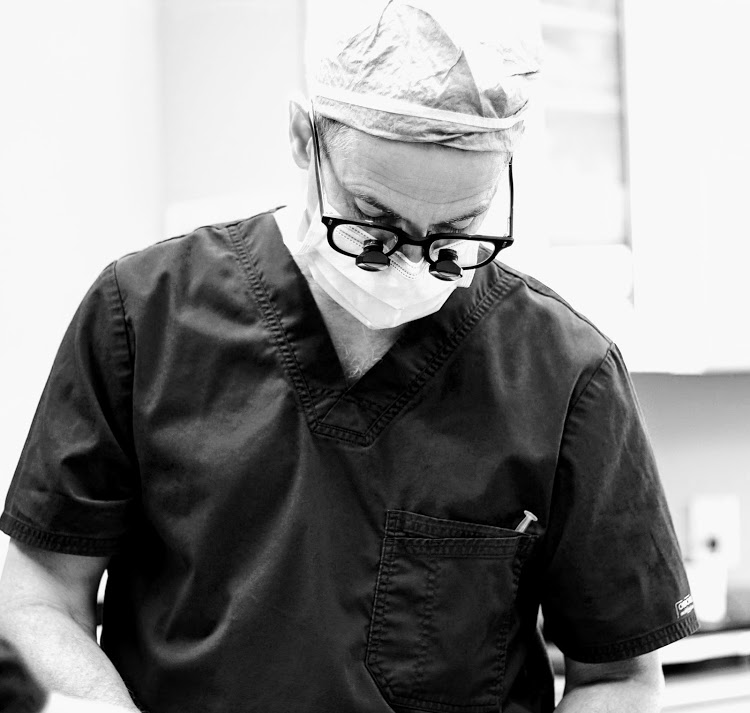
Dr. M. Ronan Conlon has practised ophthalmology in Saskatoon since 1994. He completed fellowship training in ocular pathology at Harvard University and in oculoplastic surgery at the University of Iowa. In 1996 he brought laser vision correction technology to Canada from Germany, and he specializes in oculoplastic surgery, LASIK, ASL (PRK) and refractive cataract surgery. With the establishment of the Conlon Eye Institute, Dr. Conlon has drawn on decades of experience in LASIK, RLE surgery, refractive cataract surgery, and oculoplastic surgery. He has also served as Head of Ophthalmology and Chief of Staff with the Saskatchewan Health Authority.
The information on this page should not be used in place of information provided by a doctor or specialist. To learn more, read our Privacy Policy and Editorial Policy pages.