
Illustrative stock photograph; not a CEI patient, treatment result or clinic equipment.
As the year winds down, we have some happy news to share. In November, Dr. Kareem Nagy joined Conlon Eye Institute. Dr. Nagy is an ophthalmologist who trained in the U.K., and we’re delighted to have him on our team.
Here’s a short introduction, a few words from Dr. Conlon, a plain-language look at what an ophthalmologist does, and what to expect when you come to see us.
Key Takeaways
- Dr. Kareem Nagy, an ophthalmologist who trained in the U.K., joined Conlon Eye Institute in November.
- Your care continues as usual. Existing appointments and care plans stay the same.
- Our Saskatoon clinic address and phone number are unchanged.
- To book, call our Saskatoon office at 306-244-4111.
Meet Dr. Nagy
Dr. Kareem Nagy is an ophthalmologist, a medical doctor who specializes in the eyes. He trained in the U.K. and joined our clinic in November. He has already become a welcome part of the team, and we know our patients and referring optometrists will enjoy getting to know him.
What This Means for Our Patients
If you’re already a patient, your care continues as usual. Your scheduled appointments, surgery dates and follow-up plans stay the same unless we talk with you first.
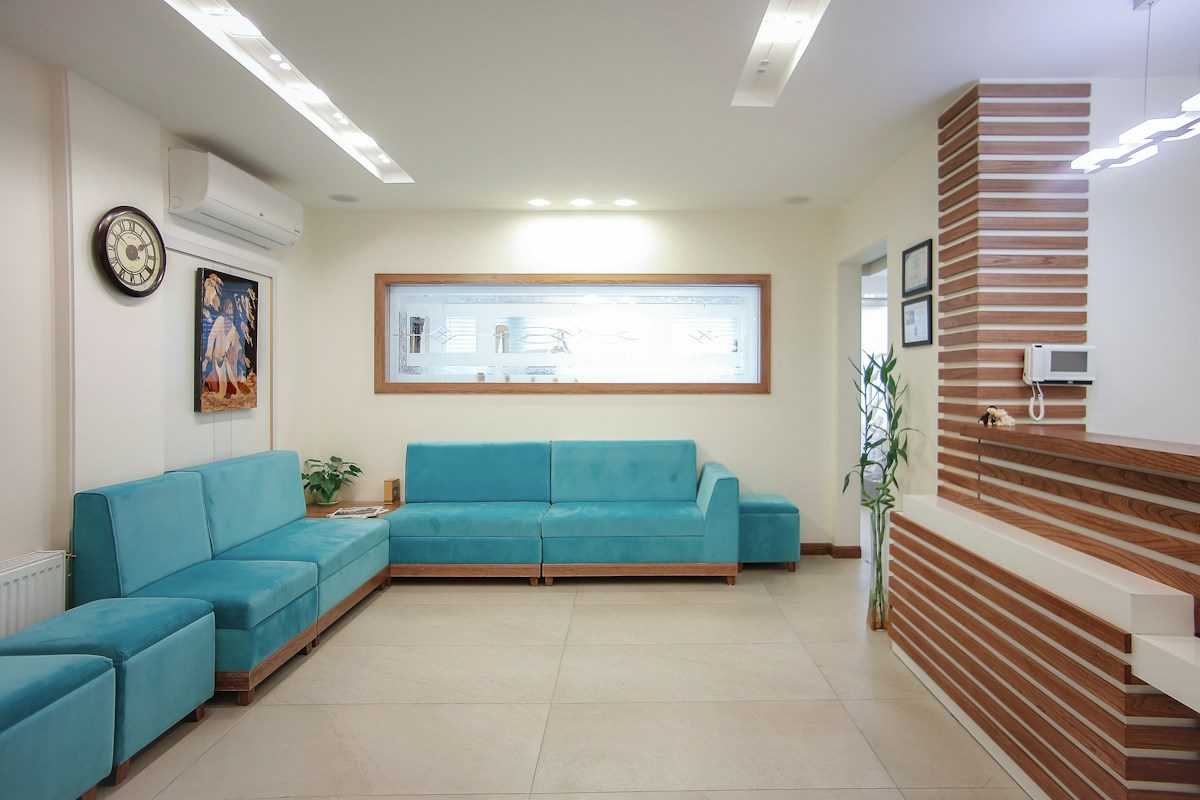
Our Saskatoon clinic address and phone number are also unchanged:
- Saskatoon: Medical Arts Building, 341-750 Spadina Crescent East, Saskatoon, SK S7K 3H3. Phone 306-244-4111.
If you have questions about booking with Dr. Nagy, our front desk team will be happy to help.
Ophthalmologist or Optometrist: What’s the Difference?
The names sound alike, and both play an important part in caring for your eyes. Here’s a simple way to think about it.
An optometrist is often your first stop for eye care. Optometrists do eye exams, prescribe glasses and contact lenses, and check for eye conditions. They can diagnose and manage many common eye problems,, and they work with ophthalmologists when a condition needs specialist medical or surgical care.
An ophthalmologist is a medical doctor who has gone on to specialize in the eyes. Ophthalmologists diagnose and treat the full range of eye diseases, prescribe medications, and perform eye surgery. Many patients see an ophthalmologist for problems such as cataracts, glaucoma, retinal conditions or eyelid concerns, or to talk about laser vision correction.
Most of the time, the two work as a team. Your optometrist may look after your routine eye care, and share follow-up with our team after specialist care.
What to Expect at Your Visit
A visit with an ophthalmologist usually takes longer than people expect, because several tests are often done. Your visit may include:
- A vision check, reading letters on a chart.
- An eye pressure check.
- Dilating drops, which widen your pupils so the doctor can see the back of your eye clearly.
- Scans or photos of the eye, depending on your concern.
- An exam by the doctor, followed by a conversation about what was found and the next steps.
Plan for Dilation
After dilating drops, your vision may be blurry and sensitive to light for a few hours. Bring sunglasses, and if you can, arrange for someone to drive you home, especially on dark December afternoons.
What to Bring
- Your Saskatchewan health card
- Your current glasses, and contact lens details if you wear them
- A list of your medications, including eye drops and supplements
- Notes about your symptoms and when they started
- Your questions. There’s no such thing as a silly question about your eyes.

Over the Holidays
If you have an urgent eye problem, such as sudden vision loss, a sudden shower of floaters or flashes of light, a painful red eye or an eye injury, don’t wait until after the holidays. During office hours, call your optometrist or our Saskatoon office. After hours, our office voicemail directs callers to Saskatoon City Hospital at 306-655-8000 to ask for the ophthalmologist on call, or you can go directly to the nearest emergency department. In an emergency, you do not need to call us first.
Frequently Asked Questions
Who is Dr. Kareem Nagy?
Dr. Nagy is an ophthalmologist who trained in the U.K. He joined Conlon Eye Institute in November.
Will my appointments with Dr. Conlon change?
No. Your existing appointments and care plan stay the same unless we discuss a change with you first.
What’s the difference between an ophthalmologist and an optometrist?
An optometrist provides eye exams, prescribes glasses and contacts, and checks for eye conditions. An ophthalmologist is a medical doctor who specializes in the eyes, treats eye diseases and performs eye surgery. They often work together.
Where is your clinic?
Our Saskatoon clinic is in the Medical Arts Building, 341-750 Spadina Crescent East, Saskatoon, SK S7K 3H3.
Book Your Consultation
From all of us at Conlon Eye Institute, welcome to the team, Dr. Nagy. Book your consultation: call our Saskatoon office at 306-244-4111, Monday to Friday, 7 am to 4 pm. Conlon Eye Institute is in the Medical Arts Building, 341-750 Spadina Crescent East, Saskatoon, SK S7K 3H3.
References
- Conlon Eye Institute clinic records: Dr. Kareem Nagy, ophthalmologist, trained in the U.K., joined in November 2024 (facts approved by Dr. Conlon, Oct 8, 2026).
- American Academy of Ophthalmology. What Is an Ophthalmologist? https://www.aao.org/eye-health/tips-prevention/what-is-ophthalmologist — supports ophthalmologist/optometrist roles.
- National Eye Institute. Get a Dilated Eye Exam. https://www.nei.nih.gov/learn-about-eye-health/healthy-vision/get-dilated-eye-exam — supports a few hours of blur and light sensitivity after dilation and bringing sunglasses.
About the Author
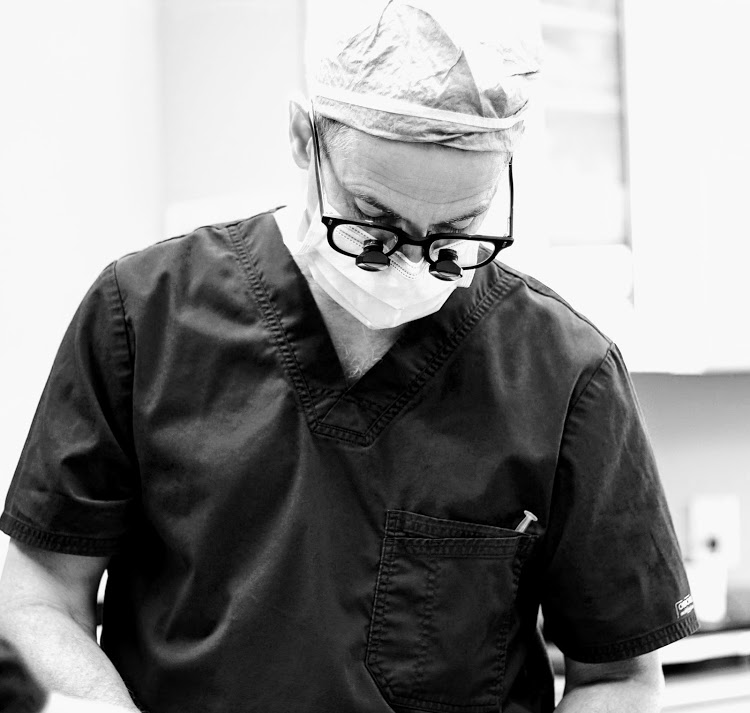
Dr. M. Ronan Conlon has practised ophthalmology in Saskatoon since 1994. He completed fellowship training in ocular pathology at Harvard University and in oculoplastic surgery at the University of Iowa. In 1996 he brought laser vision correction technology to Canada from Germany, and he specializes in oculoplastic surgery, LASIK, ASL (PRK) and refractive cataract surgery. With the establishment of the Conlon Eye Institute, Dr. Conlon has drawn on decades of experience in LASIK, RLE surgery, refractive cataract surgery, and oculoplastic surgery. He has also served as Head of Ophthalmology and Chief of Staff with the Saskatchewan Health Authority.
The information on this page should not be used in place of information provided by a doctor or specialist. To learn more, read our Privacy Policy and Editorial Policy pages.